Creative Development
Creative Development is the Apparel Search Design Studio’s creative direction service: merchandising and range planning, silhouette specification, key trend identification, market overview with comparative shopping, and retail reports on what is hot.
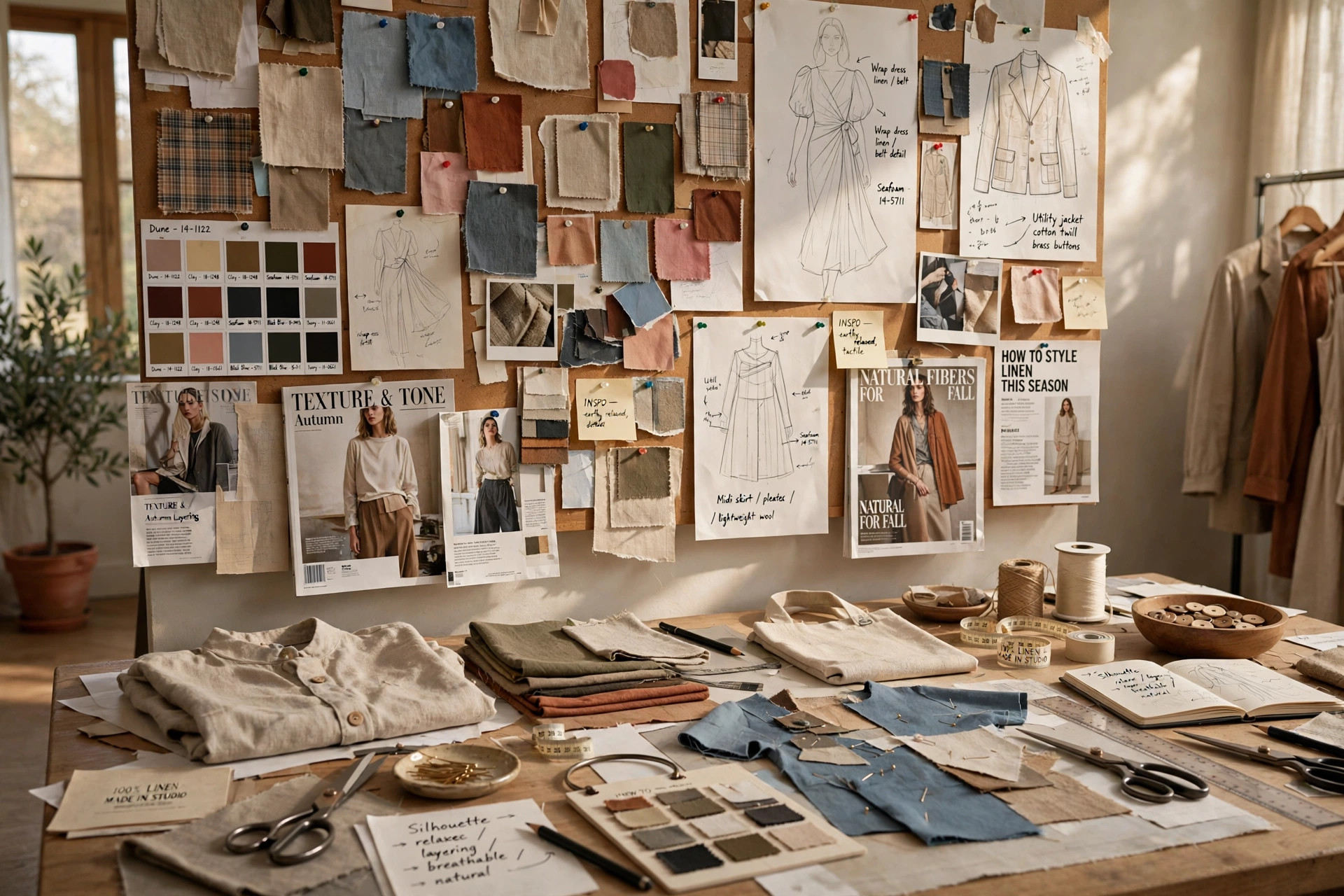
Creative Direction, Merchandising and Range Planning
Creative direction is where a season gets its shape before a single garment is drawn. In the studio’s Fashion Design Studio Services, the creative development work begins with merchandising and range planning: deciding what the line needs to contain, in what balance, at which price levels, for which customer. Range planning is the unglamorous discipline that makes creativity commercial, because a beautiful garment in a range with three similar pieces and a missing basic still fails at retail.
That planning work is deliberately done at line level rather than garment level. A range has to offer breadth without duplication, depth where the customer expects choice, and a clear reason for every style to exist. The studio’s creative direction holds the design hand and the merchandising hand together, so the silhouettes specified next are the ones the range plan actually calls for, in the fabrics and colors the season can support.
Silhouette Specification and Seasonal Must-Have Items
Silhouette specification turns the plan into named shapes. For each category the studio specifies the silhouettes the season requires, including the seasonal must-have items: the few shapes, lengths and proportions that define how the season looks on the rail. Getting the must-haves right matters out of proportion to their number, because they are the pieces buyers photograph, press features, and customers use to judge whether a brand has understood the season.
Specification is a practical document as much as a creative one. A silhouette call sets proportion, fit intent and styling direction clearly enough for pattern, sample and costing work to follow it, which is why this service sits naturally beside the studio’s product development work: the specified silhouette becomes the tech pack, the rendering and the prototype. Vague direction at this stage becomes expensive correction at every stage after it.
Key Trend Identification and Market Overview
Key trend identification filters the season’s noise into the trends a specific brand should act on. Not every trend belongs in every range: the studio’s work is to identify which movements in silhouette, color, fabric and detail connect to the client’s customer and price position, and which to leave to other brands. That judgment is backed by a market overview built on comparative shopping: structured visits to competing and adjacent retailers to see what is actually on the floor, at what prices, in what quality.
Comparative shopping is the reality check for both trends and ranges. A trend report can claim a color is everywhere; a comp shop shows whether it is everywhere at the client’s price level or only in designer stores the customer never enters. The studio’s trend direction service, linked below, runs the wider forecasting program, while creative development applies its findings to one client’s season, range and silhouettes.
Retail Reports: What Is Hot
The service reports back in retail reports on what is hot: what is selling, what is being featured, and what is quietly disappearing from the floor. A good retail report is specific: named categories, observed price points and photographic evidence, rather than general impressions, so a client can act on it in buying and design decisions the same week it arrives.
For additional service details and pricing, the route in is the studio’s pricing request form: email the studio through that form with the season and categories involved, and the creative development scope can be set against the range you are planning. Runway and show imagery of the kind this service tracks is also collected at Fashion Week Photos, listed in the references below.
Creative development works best when it is booked against the seasonal calendar rather than after it. Range planning, silhouette calls and trend decisions all have to land before fabrics are committed and samples are cut, so the practical way to use the service is to bring the studio in at the start of a season, with the sales lessons of the last one still fresh: what sold through, what was marked down, and which categories carried the business. Those facts, set against the market overview and the retail reports, are what turn creative direction from taste into a plan a whole team can execute.
Photos

The studio photograph carried with the Fashion Studio service pages.
Common Questions
What does the Creative Development service cover?
Creative direction for a season: merchandising and range planning, silhouette specification including seasonal must-have items, key trend identification, a market overview built on comparative shopping, and retail reports on what is hot.
What is silhouette specification?
Naming and defining the shapes a range needs for the season - proportion, fit intent and styling direction for each category, including the must-have items - clearly enough for pattern, sample and costing work to follow.
How is creative development different from trend direction?
Trend direction is the studio's wider forecasting program across fashion and culture. Creative development applies trend findings, market overview and comparative shopping to one client's season, range plan and silhouettes.
More to Explore
References & Further Reading
Design Studio Services
The Apparel Search Design Studio is a full-service fashion industry design resource. This page is one part of its Fashion Design Studio Services; the Design Studio Pricing page gives the estimated pricing scale for studio work, and the studio hub links its people, pattern examples and project pages.