Wet Seal Careers
Wet Seal — junior fast fashion's early pioneer, from mall staple to online-only brand
Wet Seal was a specialty retailer for young women — teens and twenty-somethings — selling fast, inexpensive fashion: dresses, denim, tops and accessories that chased trends at mall prices. Founded in 1962 in California (originally as a swimwear-rooted business, reflected in the name) and headquartered for most of its life in Foothill Ranch, California, it grew to several hundred mall stores and, for a time, also operated the Arden B chain for a slightly older customer.
The stores are gone. Wet Seal filed for Chapter 11 in January 2015, emerged under new private ownership, then filed again in January 2017 and closed every store. The brand's name and intellectual property were bought by Gordon Brothers, and Wet Seal continued as an online-only label. This guide records the careers the chain employed and sets out that history plainly, because Wet Seal still appears in older job listings and on many retail résumés.
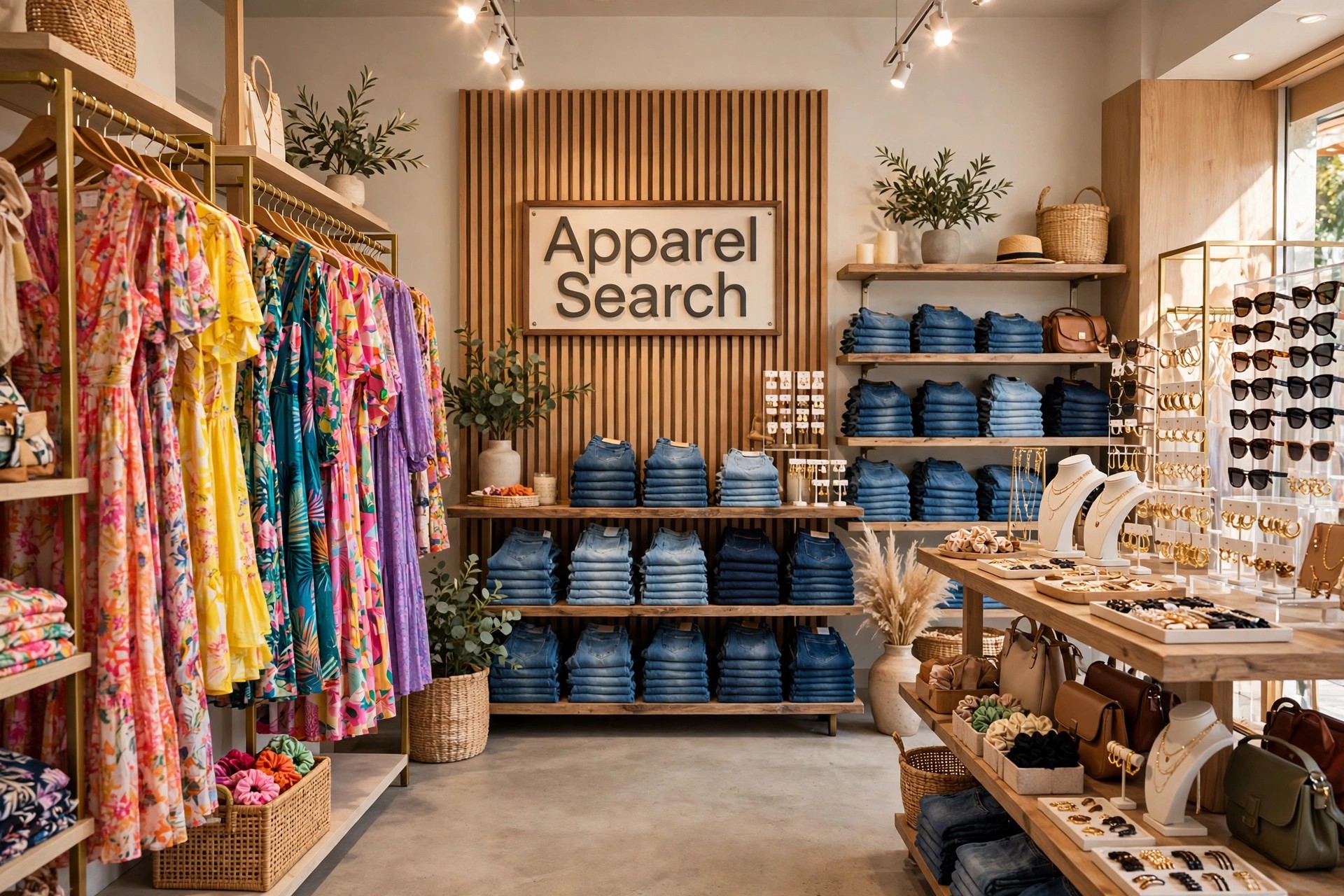
Fast-Fashion Store Careers
A Wet Seal store sold to one of retail's most demanding customers: teenage and young adult shoppers with small budgets, high trend awareness and social-media speed. Associates worked a constantly refreshed floor — new deliveries several times a week, rapid visual changes, heavy promotional signage — and the styling conversation was about complete outfits for specific occasions, from school to parties, at a total price a young customer could reach.
Store teams were young, and the chain was a first management job for many: keyholders and assistant managers in their late teens and twenties ran shifts, opened and closed stores, and managed loss prevention in a high-shrink category. District management covered mall-based clusters across regions, and the junior market's volatility — a missed trend could strand a store's whole season — made store feedback to buyers unusually important.
Buying and Head Office in Foothill Ranch
Wet Seal's buyers worked the Los Angeles junior fashion market at speed: sourcing from domestic junior manufacturers and importers who could turn a style in weeks, testing small quantities and reordering winners. Merchandising, planning and allocation roles served a fleet of mall stores whose local demographics — school calendars, climate, local tastes — varied enough to make allocation a real skill.
The Foothill Ranch headquarters housed buying, design-adjacent product development (the chain used private label extensively alongside market purchases), marketing aimed at young customers, e-commerce operations for wetseal.com, finance and store operations. It also ran Arden B during that chain's life, giving merchants a second, older demographic to buy for within the same office.
Two Bankruptcies and the End of the Stores
Wet Seal's January 2015 Chapter 11 — reported in detail on the Apparel Search blog, linked in the references below — closed more than half its stores and brought in Versa Capital as owner. The reprieve lasted two years: squeezed by fast-fashion giants with greater scale and by its own mall traffic decline, the company filed again in January 2017, announced the closure of all remaining stores, and liquidated.
Gordon Brothers, a firm specialising in brand assets, acquired the Wet Seal intellectual property in 2017, and the name resurfaced as an online store under licensing arrangements. That continuation employs no store workforce; any Wet Seal hiring today relates to a small e-commerce and licensing operation, a fraction of the company this page's history describes.
Wet Seal Experience in Today's Market
Alumni of junior fast fashion carry portable skills: rapid assortment retailing, young-customer service, promotional visual merchandising and LA-market buying instincts. Surviving junior and young-women's chains, off-price retailers and e-commerce fashion businesses are the natural destinations. When an application lists Wet Seal, ending dates in 2017 with the chain's closure are self-explanatory — the double bankruptcy was widely covered trade news.
Common Questions
Is Wet Seal still in business?
The stores closed in 2017 after a second Chapter 11 filing. The Wet Seal brand was acquired by Gordon Brothers and continued as an online-only label, with no store chain or store jobs.
What happened to Wet Seal?
It filed for Chapter 11 in January 2015, emerged under Versa Capital ownership with a much smaller fleet, then filed again in January 2017 and closed all of its stores. Its name and intellectual property were sold to Gordon Brothers.
What careers did Wet Seal offer?
Junior fast-fashion store roles — a notable first management step for many young retailers — plus Los Angeles-market buying, merchandising and planning, marketing and e-commerce at its Foothill Ranch, California headquarters.