Corduroy Fabric
Welcome to the Corduroy Fabric website. This textile guide has been designed to help members of the textile industry and fashion industry learn more about corduroy fabric, and to guide you to the mills, wholesalers, stores and resources relevant to it.
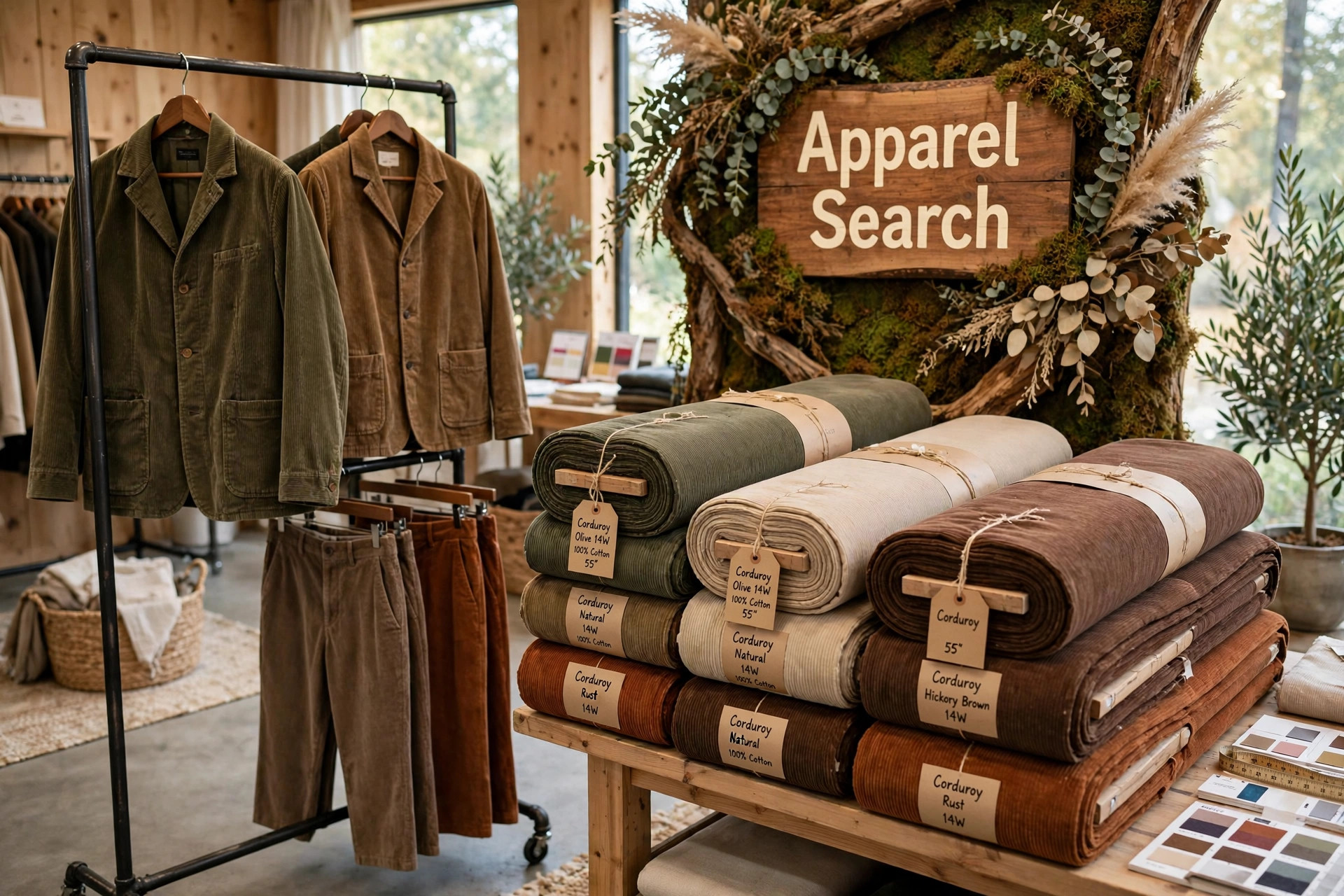
How This Corduroy Guide Is Organised
This hub is the front door to a small, complete guide. The Corduroy Fabric page explains the cloth itself — how its cut-pile wales are made, what fine, standard and wide wale counts mean, and what corduroy is used for. Around it sit the sourcing pages: Corduroy Fabric Mills for manufacturers, Corduroy Fabric Wholesalers for distributors, and Corduroy Fabric Stores for retail yardage. The Corduroy Fabric Links page gathers wider textile reading.
The split is deliberate, because corduroy questions arrive at different levels. A student asking what wale means needs the explainer; a product developer needs mills that actually weave cotton, spandex, yarn-dyed, uncut and printed corduroy; a home sewer needs a store that will sell two yards of needlecord. Sending all three to one page would bury each answer in the others' detail. Use the directory on this hub to begin your education or your sourcing at the level that matches your question, and move between pages as the question sharpens — explainer first, supplier pages second is the order that works for most readers.
A Short Corduroy Primer
Corduroy is a woven cotton pile fabric whose surface is formed into parallel raised ribs called wales. It is counted in wales per inch: fine needlecord at the high-count end for shirts and dresses, standard corduroy in the middle for its signature trousers and jackets, and wide wale at the low-count end for bold, casual pieces. The pile makes it warm, soft and hard-wearing, and also makes it crush, attract lint and show wear smooth at stress points — a fair trade that has kept it in wardrobes for well over a century, moving between workwear, country clothing, academic dress and fashion revivals without ever quite disappearing.
Beyond this guide, Apparel Search lists corduroy producers in its Corduroy Fabric Companies directory, and covers the garments in its clothes guides — corduroy pants guides for women and men, and a corduroy hats directory in the retail section. Those pages treat corduroy as clothing; this guide treats it as cloth. If your project is a garment, reading both perspectives before you buy prevents the classic error of choosing a beautiful fabric in the wrong weight for the pattern, or the right weight in a wale scale that fights the garment's styling.
Using the Guide Well
Start by naming your fabric properly. Corduroy on its own is a family, not a specification: add wale count, weight, fiber and finish — cotton or cotton-spandex, garment-washed or piece-dyed, printed or yarn-dyed — and your conversations with every mill, wholesaler and store in this guide become shorter and more accurate. Keep the specification written down as you move between pages, because each channel will ask for it in slightly different terms, and consistency across enquiries is what makes the answers comparable when quotes and samples come back.
We hope the resources in this guide will assist you with finding information about corduroy fabric. If you have suggestions on how we can improve our guide, please do not hesitate to let us know via the contact page — additional mills, wholesalers, stores and textile resources are added on reader suggestion, checked against the page they belong on. Thank you for taking the time to visit the Corduroy Fabric website; whether you are sourcing production cloth, buying yardage for a single garment, or simply learning how a familiar fabric is made, the guide is built to aid your research.
Looking for Fabric Mills and Suppliers?
Explore other fabrics from the Fabric Search hub, or browse the wider Apparel Search fabric directory for fabric suppliers of every kind.