Nylon Yarn Prices
Nylon yarn prices vary by filament type, denier and region, and no single list captures them all. This page explains the yarn price categories behind the linked resources, from CCF Group and Fibre2Fashion reporting to marketplace offers, and how buyers combine them with direct factory quotes.
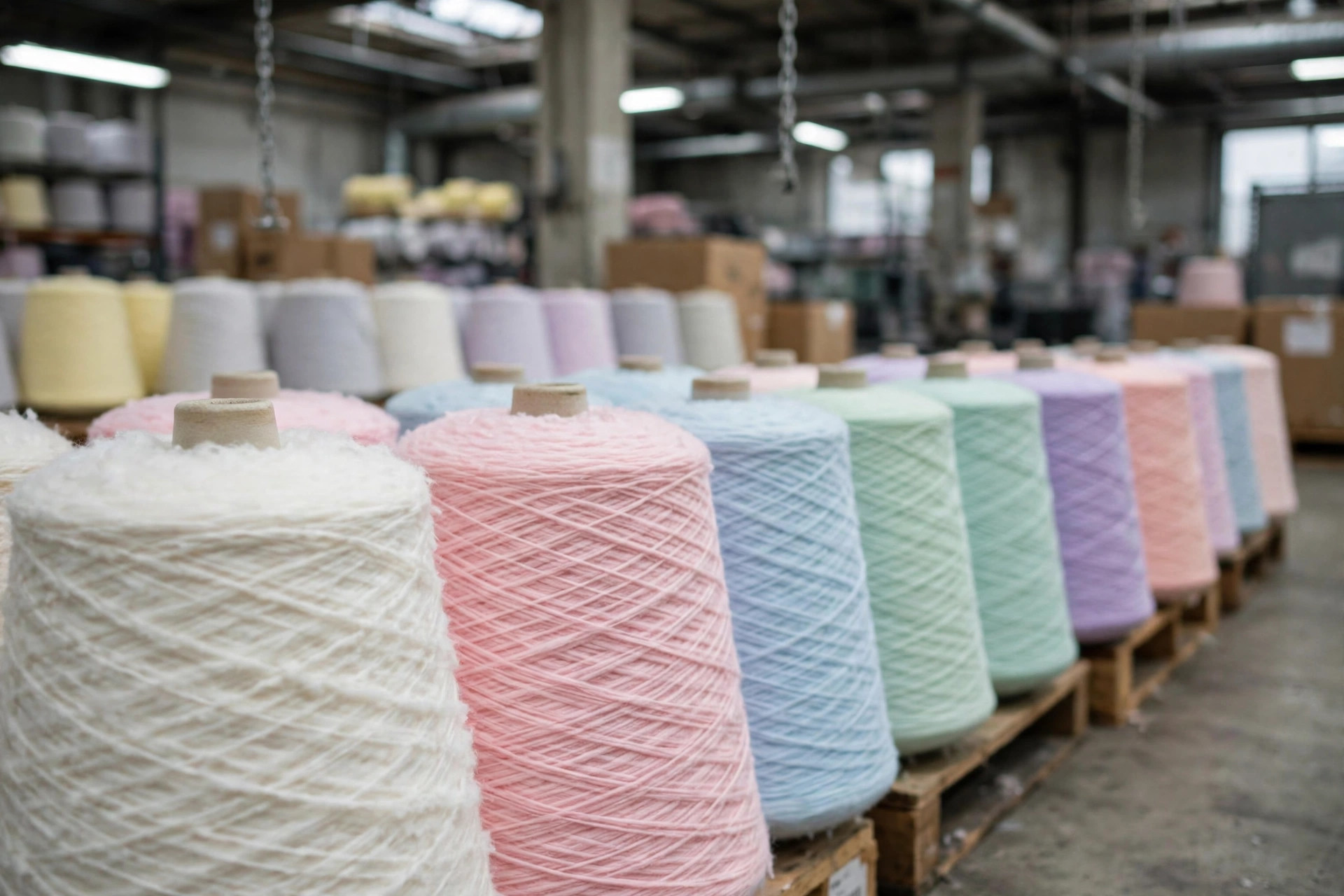
What a Nylon Yarn Price Has to Specify
Nylon yarn is priced worldwide, and the resources below link to the reporting services, marketplaces and factory routes for finding current prices. Yarn is where nylon pricing becomes specific, because yarn is sold by exact description: nylon 6 or nylon 6,6; filament or staple; flat, textured or high-oriented; and by denier and filament count. Two yarns both honestly called nylon yarn can differ enough in cost that quoting one against the other misleads everyone involved.
Most of these resources concern filament yarn, the continuous-strand form used in hosiery, warp knitting, weaving, sewing thread and industrial fabrics. Filament prices respond quickly to chip costs and to demand from those end uses, and they are reported regionally, because a large share of world filament production sits in Asia. A buyer should therefore expect every useful yarn price to carry three labels, the yarn's full specification, its region and its date, and to distrust any figure missing one of them.
Reporting Services and Trend Watchers
CCF Group's nylon yarn coverage reports prices from within the Chinese chemical-fiber industry, systematically and by product category, which makes it a natural reference for filament yarn moving through Asian supply chains. Yarns and Fibers collects nylon filament yarn price material in searchable form, handy when you want the same product's reporting gathered across dates. Fibre2Fashion's textile market watch publishes nylon filament yarn price trend reports, which add interpretation: not just where the price sits, but how it has been moving and what the trade press connects to the movement.
China-focused sources complete the reporting side. A dedicated China nylon yarn price site tracks domestic offers in the producing market itself, while ChinaTexNet's nylon yarn price coverage arrives as textile news, items that record price-relevant events and quotations as they occur. Use reporting services for the level and direction, trend reports for the story, and news-tagged coverage for the incidents — a plant outage, a demand surge — that explain sudden jumps between one check and the next.
Marketplace Offers: Alibaba and AliExpress
Marketplace resources answer a different question: not what the market reports, but what sellers are asking right now. Alibaba's nylon yarn price showrooms gather supplier offers, including nylon and spandex filament yarn listings; its importer pages show the buying side of the same market; and AliExpress extends similar offers toward smaller quantities. These figures are genuine data about the live range, especially for standard filament specifications that many sellers compete to supply.
Use them with their limits in view. A marketplace price belongs to one seller's yarn, described by that seller, at one minimum quantity and one port, and the lowest visible offer often attaches to the plainest specification or the largest lot. Compare offers only after matching denier, filament count, yarn form and quantity, and treat the marketplace as a way to find and message suppliers as much as a way to read prices. The supplier conversation that follows an offer is where a marketplace price becomes a real quotation.
Ask Factories, Then Decide
For yarn, as for fabric, it may be a good idea to contact yarn factories directly for pricing, using a yarn factory directory to find producers. A spinning mill quoting your exact specification, quantity and delivery point produces the only number you can actually buy at, and comparing two or three such quotes against the reported market level tells you whether you are being offered a fair position inside that market.
Close the loop with the rest of this guide. Yarn prices sit between chip-driven nylon prices upstream and mill-quoted fabric prices downstream, so a movement you spot here usually forecasts a fabric conversation a few weeks later. The background in About Nylon Fibers explains the yarn forms behind the abbreviations, and keeping dated notes from each check turns scattered price reports into your own price history.
Common Questions
Why do nylon yarn prices differ so much between sources?
Because yarn is sold by exact specification, nylon 6 or 6,6, filament form, denier and filament count, and reported by region. Sources may be describing different yarns, in different markets, on different dates.
What do marketplace nylon yarn prices actually tell me?
They show live asking prices from individual sellers for stated specifications and minimum quantities, which reveals the current range and finds suppliers to contact. They are opening positions to verify, not assessed market prices.
Should I rely on price reports or get factory quotes?
Use both. Reports from services like CCF Group and Fibre2Fashion give the market level and trend; direct quotes from yarn factories for your exact specification give the only price you can actually buy at.
More to Explore
References & Further Reading
Looking for Fabric Mills and Suppliers?
Trace yarn costs upstream and downstream in the Apparel Search fabric directory or via the Fabric Search hub pages for nylon, fabric and resin prices.