Vera Wang Collections
The collections filed season by season — signatures constant, handling always in motion.
A collection is where a designer argues, in clothes, what the season should look like — and the collections of Vera Wang make that argument from one of fashion's most settled positions: Vera Ellen Wang, the American fashion designer based in New York City, who was hired as an editor at Vogue immediately upon graduation from Sarah Lawrence — the youngest editor at that magazine — stayed at Vogue for 17 years and worked for Ralph Lauren for 2 years before resigning at 40 to become an independent bridal wear designer. Filed season after season, the collections show both halves of the achievement — the signatures that never leave, and the judgment that keeps them current. This page holds the shared view of that filed record in this guide.
Vera Ellen Wang is an American fashion designer based in New York City. Vera Ellen Wang was born and raised in New York City, and is of Chinese descent. Wang was hired to be an editor at Vogue immediately upon graduation from Sarah Lawrence, making her the youngest editor at that magazine. She stayed at Vogue for 17 years, leaving in 1987 to join Ralph Lauren, who she worked for 2 years. At 40 she resigned and became an independent bridal wear designer. Wang's evening wear has been worn by stars at many red carpet events. In 2006, Wang reached a deal with Kohl's, a chain of department stores, to produce a less expensive line of ready-to-wear clothing exclusively for them called Simply Vera. The Photos section gathers collection imagery, and the search routes in the references run Vera Wang collection news, photo and video searches. The fall and spring pages in this series file the two seasonal strands separately; the runway page follows the presentations where the collections first appear.
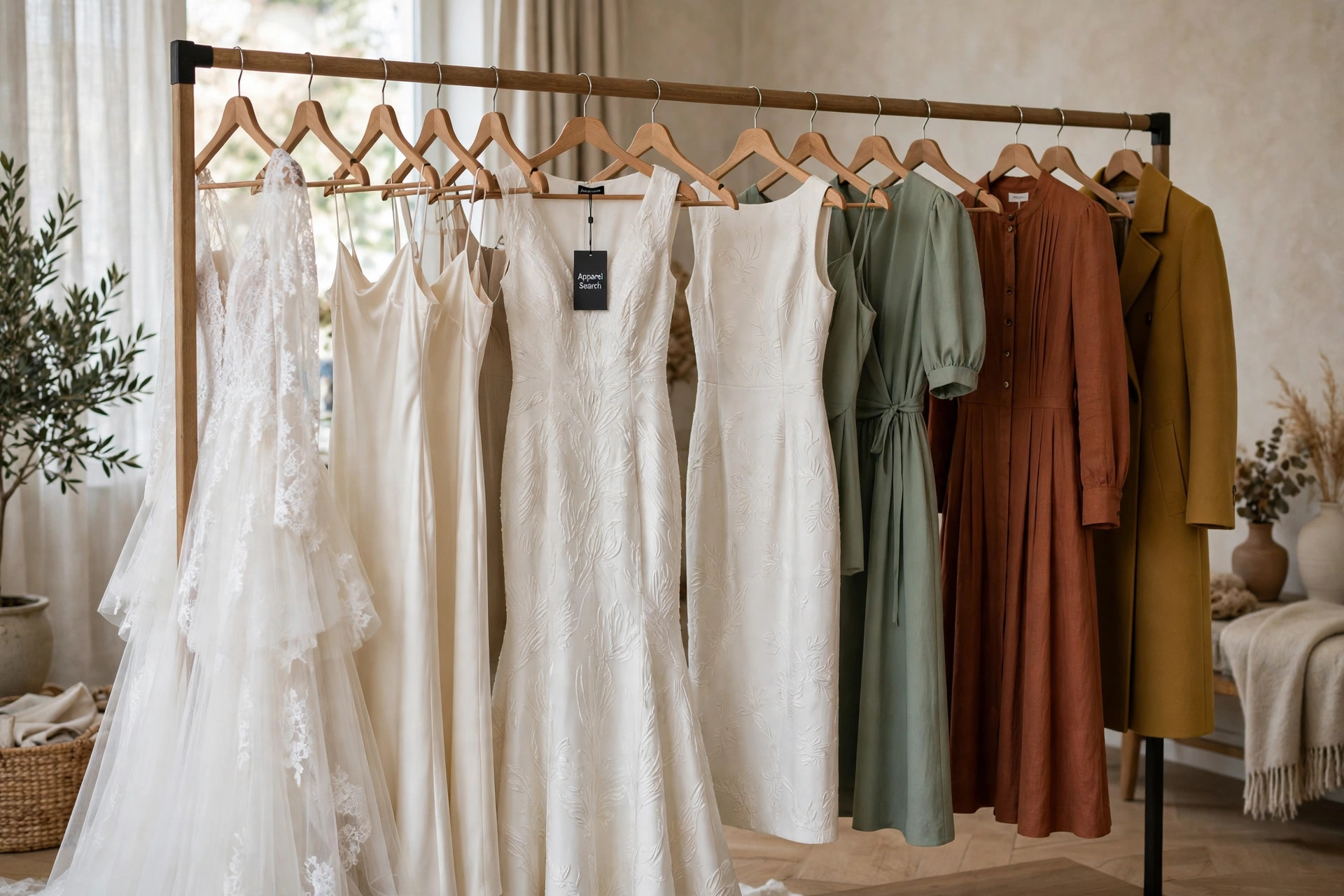
Illustrative image created for this guide — an artistic impression, not this designer's own garments.
News, Photos & VideoCollectionsDressesFall FashionsFashion WeekNewsProfilesRunwaySpring Fashions
Reading a Collection as a Whole
A single famous garment — the bridal gown — can stand for a designer in the public mind, but a collection is a wardrobe, not a trophy. Read whole, a Vera Wang collection proposes how its wearer should dress across a season: the day pieces and the evening pieces, the tailoring and the soft clothes, all cut from one idea of who that wearer is. That is why the filed record matters more than any single image: it shows the system, the way bridal gowns and evening dresses — the work she became known for as an independent bridal wear designer, with evening wear worn by stars at many red carpet events is distributed across an entire season's worth of dressing rather than concentrated in one photographed look.
The construction is the quiet half of the argument. In these collections the finish is not decoration added at the end; it is the method — dresses designed with an editor's eye — bridal gowns and evening wear composed with the judgment of 17 years at Vogue and two years at Ralph Lauren. Season photography rewards attention to exactly that level: the closure, the hem, the way a print is placed on a seam. Readers comparing seasons will find the signatures constant and the handling always in motion, which is the mark of a house dressing real people rather than staging one-off spectacles.
Seasons Filed in Order
Filed in sequence, the collections become a history that can actually be used — by students tracing how a signature evolves, by buyers and wearers placing a piece in its season, and by anyone checking whether a photographed look belongs to the year a caption claims. The two seasonal strands divide naturally: the fall collections, filed on the fall fashions page, carry the weight and layering of autumn; the spring collections, on the spring fashions page, carry the same signatures at their lightest. This page is where the two strands are held together.
The runway page is the companion for the moment of presentation — the order of looks and the show as an event — and the fashion week page places each showing in the calendar of New York Fashion Week. The news page gathers the reviews and coverage each collection receives. Together the series lets a reader move from the filed garment to the live show to the published verdict without losing the thread: one designer, one signature, season after season.
Common Questions
What do the Vera Wang collections pages cover?
The collections record season by season: the garments, prints and tailoring that define the designer's work — bridal gowns and evening dresses — the work she became known for as an independent bridal wear designer, with evening wear worn by stars at many red carpet events — and how each season restates them.
How are the collections organized in this guide?
By season and strand: this page holds the shared view, the fall fashions page files the autumn collections, the spring fashions page files the spring collections, and the runway page follows the shows themselves.
What should I look for in a Vera Wang collection?
The permanent signatures first — then what the season changes around them: proportion, fabric weight, print scale and finish. The signatures are bridal gowns and evening dresses — the work she became known for as an independent bridal wear designer, with evening wear worn by stars at many red carpet events.