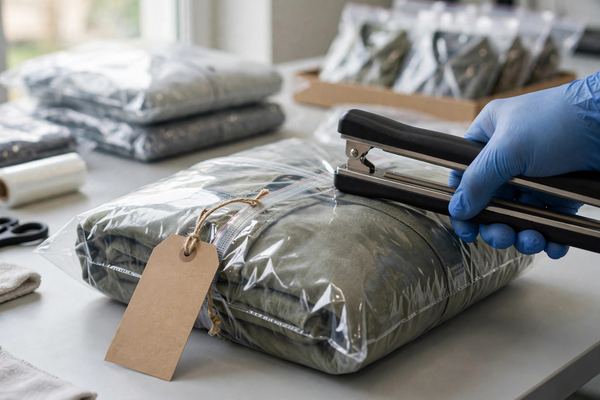
A sealed sample is an approved sample that is signed, dated, and sealed (often literally with a tag or seal) to serve as the binding reference for bulk production quality.
Why Sealing Matters
Sealing prevents disputes. Both sides agree on the exact standard, and QC inspectors compare bulk production directly against the sealed reference. Without a sealed sample, "acceptable quality" becomes a matter of opinion - and opinions differ when money is at stake.
What's Typically Sealed
- PP sample - the construction and quality reference
- Size set - the fit reference across all sizes
- Approved lab dips and strike-offs - the color and print references
Keeping Sealed Samples
Store sealed samples securely and handle them carefully - they're legal-grade references. Both the brand and the factory should keep copies. Inspectors will pull them out during every production QC check.
FAQs
- What does 'sealed' actually mean?
- The sample is tagged, signed, and dated by both parties. Some use tamper-evident seals.
- Can the sealed sample be changed?
- Only by mutual written agreement, with a new sealed sample replacing the old.
- Who keeps the sealed sample?
- Both sides should keep one. The factory uses it on the production floor; the brand uses it for QC.
Glossary: see the full fashion glossary for more apparel industry terms.