Womenswear Buyers: Finding Buyers for Women's Clothing
Finding buyers for women's clothing — stores, directories and buyers guides
Designing and manufacturing women's clothing is often easier than finding buyers to purchase it. That experience is common across the fashion industry, and it is not a reflection on the quality of a line: even owners and licensees of very popular brands do not always find it easy to place product with a buyer. Women's apparel is sold through an especially wide range of stores — department stores, specialty chains, independent boutiques, bridal shops, maternity stores and more — and each kind of store buys differently. This guide sets out the practical routes to womenswear buyers: working from women's clothing stores and their directory categories, using a salesman buyers guide for named contacts at large chains, and preparing the information a women's buyer needs in order to say yes.
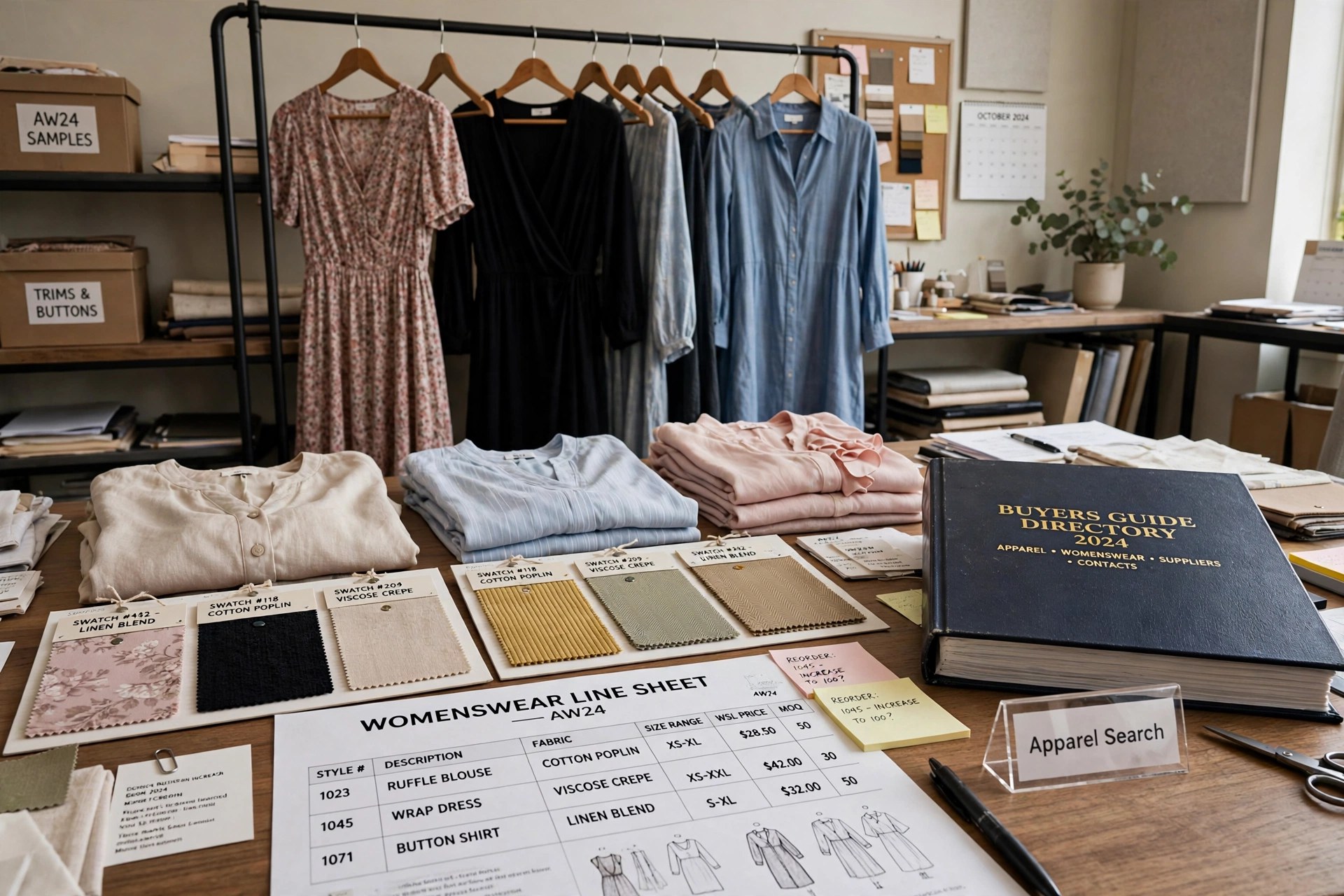
Start With Women's Clothing Stores
One way to find women's clothing buyers is to browse the internet for women's clothing stores, then contact the stores and ask them to provide information on their buyer contacts. Independent boutiques and smaller chains usually answer such an inquiry directly, because the owner or store manager often works closely with — or is — the buyer. Department stores are harder: buyer names, buyer e-mail addresses and buyer phone numbers for large chains are not published, and obtaining them through a general switchboard is a challenge. That difference shapes a sensible plan. Work the accessible independent and specialty stores directly, store by store, and use a directory source for the large chains rather than spending weeks on switchboards.
Women's Clothing Store Directory Categories
The women's clothing store directory is organized by the merchandise a store sells, and each category is a list of potential buyers for that kind of product. The categories are: Bloomers; Bridal Apparel and Wedding Clothing; Clubwear and Exotic Clothing; Corsets; Dresses, including prom dress and wedding dress stores; Exercise Clothing Stores and Fitness Apparel; Furs; Halters; Handbag Stores selling handbags and purses; Hosiery, Lingerie and Underwear; Kimono Retail Stores; Maternity Clothing Stores; the Outerwear Store Directory; Petite Size Clothing Stores; Plus Sizes Clothing Stores; Salwar and Saree Retailers; Sarongs Retail Stores; Shawls and Scarves Retail Stores; Shoes for Women; Sleepwear Stores for women's pajamas; Sorority Clothing Stores; Swimwear Stores for women's swimsuits; Urban Clothing Retailers; Women's Clothing and Junior's Clothing Stores; and Yoga Clothing Stores.
Used well, that category structure is a targeting tool. A designer of maternity clothing does not need every women's store in the country; the maternity category, plus the women's departments of family clothing stores, is the working universe. A plus-size line starts with plus-size stores and the plus-size buyers at larger chains. A bridal line starts with bridal apparel stores, where the buying calendar runs earlier than most of the industry. From a chosen category, note each store, find its buyer contact, and check that the store's price points and existing brands leave room for your line before making contact.
Salesman Buyers Guides for Named Contacts
If receiving proper contact details proves difficult, a salesman buyers guide is the standard alternative. These guides are typically updated on a regular basis to make certain that contact details for women's store buyers are up to date and correct. All of the books may have a few errors — buyer details change often, and buyers change quicker than buyer guides can be printed — but for the most part they are kept well up to date. Look for women's apparel buyer guides at the Fashiondex Book Store, and check the Fashion Books section for related titles. A guide earns its cost when it is used as a working list: contacts checked before use, results noted after each approach, and the list refreshed as buyers move between stores and departments.
What a Women's Buyer Needs to Hear
Women's buyers judge a line against a crowded floor. A clear presentation covers the styles offered, wholesale prices and margins, delivery dates by season, size ranges — including petite, plus-size or maternity sizing where the line offers it — fabric content and care, and minimum order quantities. Photographs should show fit and construction plainly. It also helps to state, in one or two sentences, which customer in that store the line is for and which existing category it strengthens. Learning the trade itself supports all of this: apparel, fashion and clothing are rather synonymous terms, and a seller who understands how women's apparel is categorized, sized and retailed speaks the buyer's language. The Womenswear Guide section of this site and the Women's Apparel overview are good starting points for that background.
Photos

Common Questions
How can a designer find buyers for women's clothing?
Browse women's clothing stores, work from the store directory categories that match the line — maternity, plus-size, bridal, dresses and so on — and contact each store for its buyer. For large department store chains, whose buyer names and contact details are not published, use a salesman buyers guide.
Why are department store buyer contacts hard to obtain?
Large chains do not publish individual buyers' names, e-mail addresses or phone numbers, and buyers change jobs and departments frequently, so details go out of date faster than guides can be printed. A few errors in any printed guide are normal.
Which store categories buy women's clothing?
Department stores, women's specialty stores and boutiques, bridal boutiques, maternity clothing stores, plus-size and petite stores, family clothing stores, and category specialists such as shoe, handbag, swimwear, sleepwear and yoga clothing stores all buy women's lines for their own customers.