Visors
Fashion Influence — how style shapes, and is shaped by, the people who wear it
A visor is headgear built from a stiff brim attached to a strap that fits around the head, leaving the top of the head uncovered. It shades the face and protects the eyes from the sun, and because the crown is open, heat escapes from the head more easily than under a full hat. Some visors fasten with a full strap and others clip or clamp on. This guide covers what a visor is, why a wearer might choose one over a baseball hat, and where visors are sold.
Stay cool, comfortable & shaded with visor headwear.
What is a visor? Visors are headgear products that consist of a stiff brim attached to a strap that fits around the head, leaving the top of the head uncovered. A visor helps protect the eyes from the sun by providing shade to the face. It is different than a typical baseball hat because the baseball hat fully covers the head and a visor does not cover the head in full.
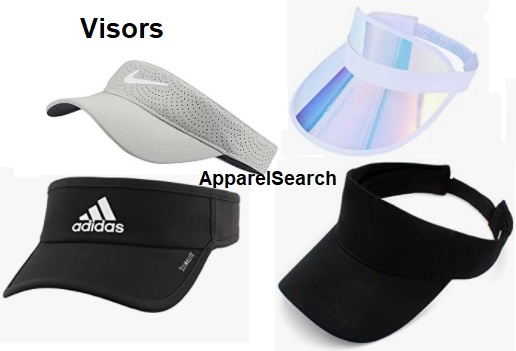
Although many visors have a strap that goes around the head, they don't have to have a full strap to hold them on the wearers head. This type of visor can be referenced as a clip-on visor or clamp visor.
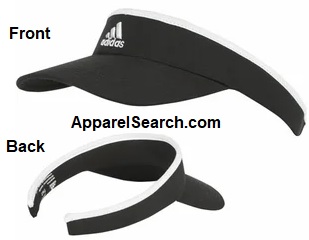
In summary, a fashion visor is a stiff brim hat that leaves the head uncovered and offers shade to the face.
Why wear a visor instead of a baseball hat? If you wear headwear that does not fully cover the head, you can allow heat to more easily escape from your head. Tennis players & golfers often wear visors while playing to help keep the sun from their eyes.
What is the difference between hats & headwear?
You can purchase women's or men's visors at hat stores as well as other clothing, sportswear, or department stores.
Shop at retailers such as Dick's Sporting Goods, Target, Walmart, Macy's, etc.
Learn about women's headwear.
Choosing and Wearing a Visor
The visor's design trade is simple: it gives up crown coverage to gain ventilation and a lighter feel. The stiff brim does the sun work, shading the eyes and face, while the open top suits hot courts, fairways and sidelines where a full hat would hold heat against the head. That is why the visor belongs to sport as much as to fashion: tennis players and golfers wear visors during play to keep the sun out of their eyes without covering the head, and spectators borrow the same design for the same reason.
Fit runs through the strap. A full strap that goes around the head adjusts to the wearer and stays put during movement, which suits active wear. The clip-on or clamp form attaches without a full strap, trading some security for a cleaner line that does not disturb the hair, a consideration that matters in women's headwear especially. Either way, the brim should sit low enough to shade the eyes without pressing on the forehead, and the strap or clamp should be firm enough that the brim does not tilt as the wearer moves.
Buying is straightforward. Women's and men's visors are sold at hat stores and at clothing, sportswear and department stores, with sporting retailers carrying the performance versions made for tennis and golf. Shoppers comparing headwear can use the linked guides on this page: one explains the visor-versus-baseball-hat choice directly, another sets out the difference between hats and headwear as categories, and the women's headwear guide places the visor among the wider family of women's hats and caps. For sun shading with maximum airflow, the visor remains the lightest answer in the headwear family.
Common Questions
What is a visor?
Headwear that consists of a stiff brim attached to a strap that fits around the head, leaving the top of the head uncovered. A visor helps protect the eyes from the sun by providing shade to the face.
How is a visor different from a baseball hat?
A baseball hat fully covers the head, and a visor does not cover the head in full. Wearing headwear that leaves the top open lets heat escape from the head more easily, which is one reason tennis players and golfers often wear visors while playing.
What is a clip-on visor?
A visor without a full strap around the head. Not every visor has a complete strap to hold it on; the type that attaches without one is referenced as a clip-on visor or clamp visor.