Tanzanite Necklaces
The blue-violet December birthstone from a single source
Tanzanite necklaces showcase a gemstone found in only one place on earth, a small mining area in the Merelani Hills near Mount Kilimanjaro in northern Tanzania, a single-source rarity that shapes both its value and its supply. Tanzanite is the blue-violet variety of the mineral zoisite and is strongly pleochroic, showing blue, violet and burgundy tones from different viewing angles, so a well-cut stone shifts color as it moves at the throat. Most tanzanite is heat treated to bring out the blue and violet and remove brownish tones, a stable and widely accepted treatment. A December birthstone, tanzanite ranges from pale lavender to deep saturated blue-violet, with the richest color commanding the highest prices. Set in white gold, platinum or sterling silver, which cool the color, or in yellow and rose gold for contrast, it appears as solitaire pendants, halos and multi-stone necklaces. At 6 to 7 on the Mohs scale it is softer than sapphire, so necklace settings and careful wear matter.
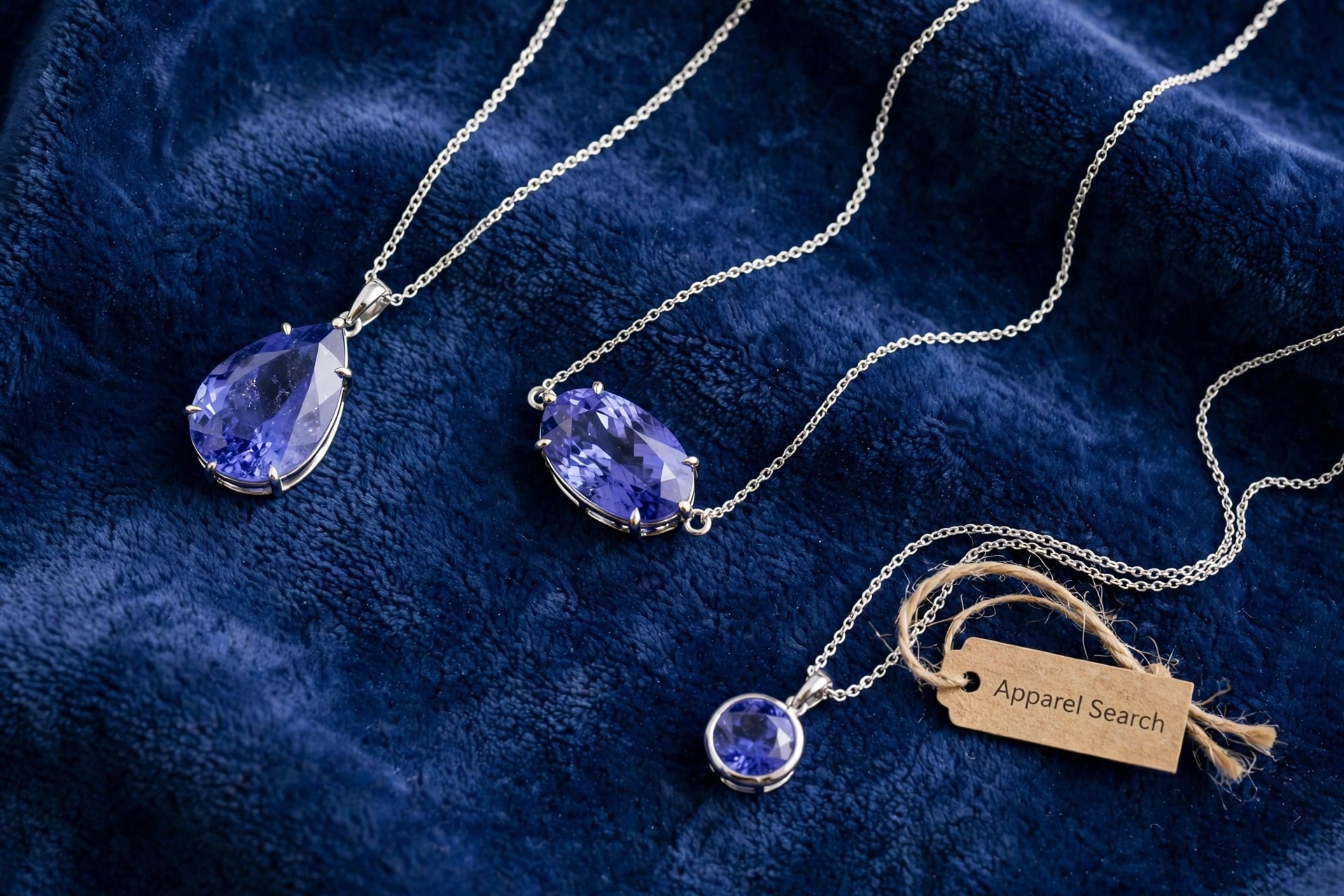
Tanzanite Necklaces: Capturing the Beauty of Tanzanite in Jewelry
Tanzanite necklaces are exquisite pieces of jewelry that showcase the stunning gemstone tanzanite. Tanzanite, named after its sole origin in Tanzania, is a rare and highly prized gemstone known for its striking blue-violet hues and captivating sparkle. When crafted into necklaces, tanzanite adds a touch of elegance and allure, making it a sought-after choice for both casual and formal occasions.
Key Features and Characteristics:
Tanzanite Gemstone:
Color: Tanzanite exhibits a mesmerizing blue-violet color, ranging from pale lavender to deep blue. The gemstone's color can shift in different lighting conditions, adding to its allure.
Rarity: Tanzanite is relatively rare and can only be found in a specific region near Mount Kilimanjaro in Tanzania, Africa. Its exclusivity contributes to its value and desirability.
Cut and Clarity: Tanzanite is typically cut to enhance its color and brilliance. Common cuts include cushion, oval, round, pear, and emerald cuts.
Birthstone: Tanzanite is one of the birthstones for December, adding to its popularity for those born in that month.
Jewelry Design:
Styles: Tanzanite necklaces come in various styles, including solitaire pendants, tanzanite-accented necklaces, tanzanite and diamond combinations, and multi-gem designs, allowing for a wide array of options to suit different preferences.
Settings: Tanzanite is often set in sterling silver, white gold, yellow gold, or rose gold settings, enhancing its beauty and complementing its blue-violet hues.
Occasions:
Formal Events: Tanzanite necklaces are often chosen for formal events, cocktail parties, or red-carpet appearances due to their stunning and vibrant appearance.
Everyday Wear: Depending on the design, tanzanite necklaces can also be worn daily, adding a touch of sophistication to everyday outfits.
Symbolism:
Tanzanite is associated with spiritual growth, transformation, and higher consciousness. It is believed to enhance communication, intuition, and compassion.
Matching and Layering:
Tanzanite necklaces can be paired with matching tanzanite earrings or rings to create a cohesive and elegant jewelry set. They also layer beautifully with other necklaces for a fashionable and personalized look.
Ethical Considerations:
Ethical sourcing of tanzanite is increasingly important to consumers. Responsible jewelry brands ensure that the tanzanite they use is sourced ethically and in compliance with industry standards.
Why Tanzanite Necklaces Are Popular:
Unique Color and Beauty: Tanzanite's distinctive blue-violet color sets it apart from other gemstones, making it a unique and eye-catching choice for jewelry.
Rareness and Exclusivity: The fact that tanzanite is found in only one location globally adds to its allure and exclusivity, appealing to those seeking something uncommon and precious.
Versatility: Tanzanite's captivating color allows it to blend well with a variety of clothing colors, making it a versatile gemstone for jewelry.
Emotional and Spiritual Appeal: Many wearers are drawn to tanzanite not only for its physical beauty but also for its perceived spiritual and emotional properties, adding a deeper meaning to their jewelry.
In summary, tanzanite necklaces are cherished for their mesmerizing blue-violet hues, rarity, and versatility. Whether worn for a special occasion or as an everyday adornment, tanzanite necklaces elegantly showcase the beauty and allure of this remarkable gemstone.
Learn about tanzanite earrings, tanzanite rings and tanzanite bracelets as well.
Choosing Color and Cut
Color decides tanzanite value more than any other factor. Stones described as bluish violet with strong saturation cost the most, while pale lavender stones cost far less per carat and suit buyers who prefer a softer look. Larger stones generally hold deeper color more easily, so a small, intensely colored pendant is a notable find. Cut should serve the pleochroism: oval, cushion, pear and round cuts are common because they balance brilliance with a face-up color that mixes the blue and violet directions attractively.
Because the Tanzanian deposit is the only source and mining there is limited, long-term supply is finite in a way that does not apply to gems mined on several continents. That fact is worth weighing without exaggeration: buy tanzanite first for its color, verify any treatment disclosure, and choose a jeweler who will confirm the stone is natural tanzanite rather than a simulant such as synthetic forsterite or glass, which imitate the color but not the pleochroism.
Common Questions
Why does tanzanite change color in different light?
Tanzanite is pleochroic, meaning its crystal structure absorbs light differently along different axes, so a single stone can show blue from one angle, violet from another and flashes of burgundy from a third. Incandescent light emphasizes the violet, while daylight brings out the blue. Cutters orient each stone to favor the blue-violet face-up color buyers prize most, but the shifting undertone never disappears entirely.
Is tanzanite too soft for a necklace worn every day?
At 6 to 7 on the Mohs scale, tanzanite is softer than sapphire or diamond and can chip or abrade if knocked against hard surfaces, and its cleavage makes sharp blows a real risk. A necklace is a safer home for it than a ring because the neck takes fewer impacts, especially in a bezel or halo setting that guards the edges, provided the piece is removed for sport, gardening and heavy housework.
How should tanzanite necklaces be cleaned and stored?
Clean tanzanite with warm water, mild soap and a soft brush, rinse well and dry with a lint-free cloth. Avoid ultrasonic and steam cleaners, which can damage the stone through heat and vibration, and avoid sudden temperature changes. Store the necklace separately in a soft pouch or lined box so harder gems such as diamonds and sapphires cannot scratch it, and keep it away from prolonged strong heat.