Peridot Rings
Bright yellow-green olivine, at its best in gold
Peridot is the gem variety of the mineral olivine, colored by iron in its own crystal structure rather than by a trace impurity, so its color is always a yellow-green ranging from pale lime to a deeper olive green. It is the birthstone for August and the traditional gift for a sixteenth wedding anniversary. With hardness of 6.5 to 7 on the Mohs scale, peridot is softer than sapphire or topaz and its facet edges can abrade over time, so ring settings that protect the girdle matter. Most peridot is untreated, which appeals to buyers who prefer natural color, and large clean stones remain comparatively affordable because supply from Arizona, China, Pakistan and Myanmar is steady. This guide covers how to judge peridot color, which settings suit daily and occasional wear, how size and clarity affect price, and cleaning and storage that keep the surface bright. Because peridot has a slight double refraction, a well-cut stone can show a soft, velvety glow rather than a sharp sparkle, which is part of its character.
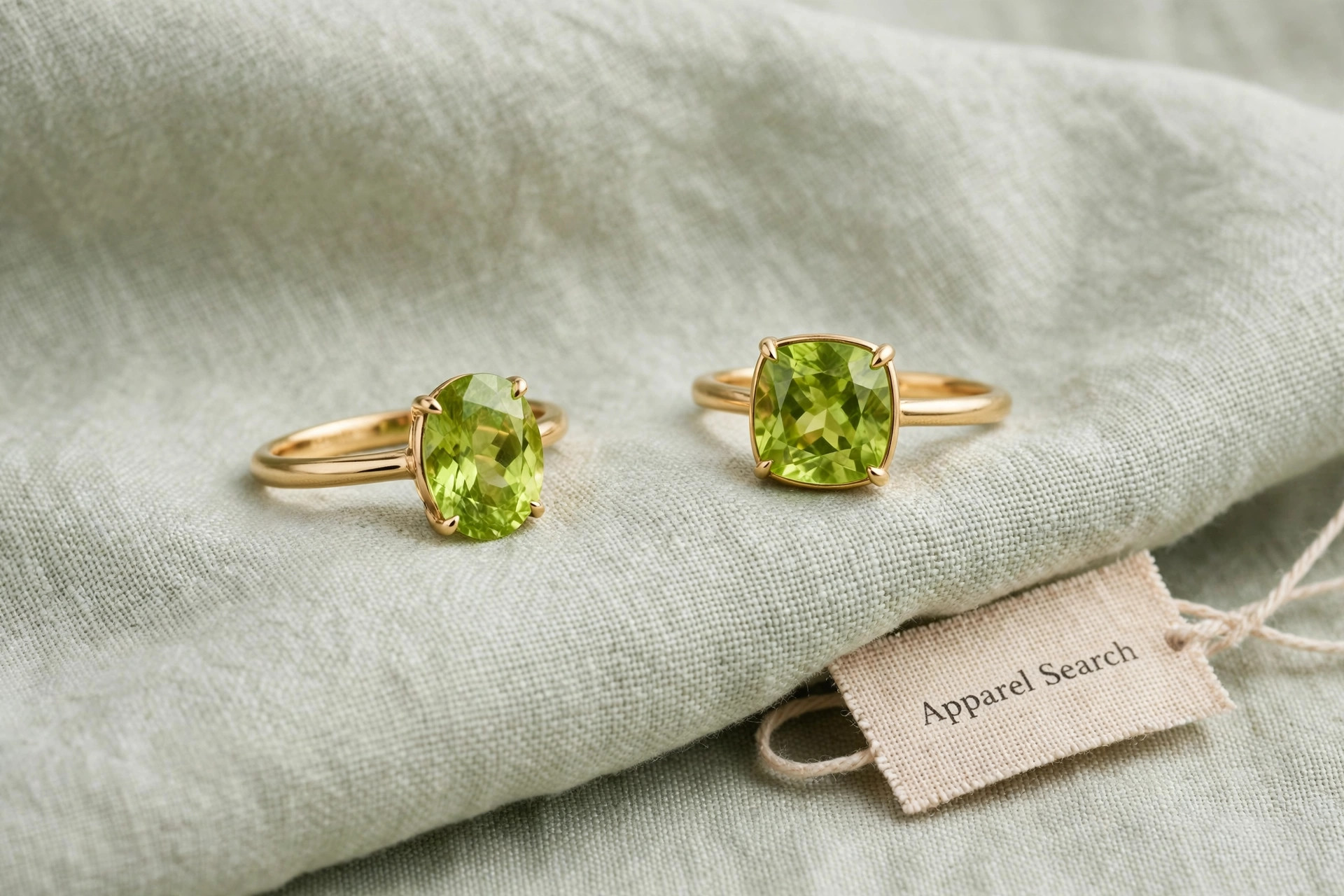
Peridot Rings: A Verdant Symphony of Beauty and Symbolism
Introduction to Peridot:
Peridot is a stunning green gemstone from the mineral olivine, and it's one of the few gemstones that come in only one color - a vibrant, luscious green. Its hue ranges from yellowish-green to olive to a more intense green, depending on the amount of iron present in the crystal structure.
Qualities of Peridot:
Color: The unique green color of peridot is what sets it apart. Its shades can vary from a bright, almost neon green to a more subtle and earthy olive green.
Clarity: Peridots are usually clear and free of visible inclusions, enhancing their sparkle and brilliance.
Cut: Peridots are cut in various shapes and sizes, from traditional rounds and ovals to more unique cuts like cushion, emerald, or marquise, offering versatility in design.
Symbolism and Meanings:
Birthstone and Celebrations: Peridot is the birthstone for August, symbolizing strength, love, and a sense of understanding. It is also associated with celebrating the 16th year of marriage.
Protection and Harmony: Peridot is believed to have protective qualities, guarding against negative emotions and promoting harmony and growth.
Styles of Peridot Rings:
Solitaire Peridot Rings: A single peridot gemstone set as the centerpiece, often in a simple band, allowing the vibrant green hue to take the spotlight.
Peridot and Diamond Rings: Combining the green of peridot with the sparkle of diamonds, creating an elegant and luxurious design.
Halo Peridot Rings: A peridot gemstone surrounded by a halo of smaller diamonds or gemstones, enhancing the center stone's brilliance and creating a beautiful contrast.
Vintage Peridot Rings: Inspired by designs from bygone eras, vintage-style peridot rings often feature intricate detailing and filigree work.
Historical and Cultural Significance:
Ancient Egypt: Peridot has been mined for over 3,500 years, and its mining traces back to ancient Egypt. The Egyptians referred to it as the "gem of the sun" and believed it protected wearers from terrors of the night.
Hawaiian Lava Rocks: Peridot is found in abundance on the volcanic islands of Hawaii and is often referred to as the "Hawaiian diamond."
Shopping for Peridot Rings:
Specialized Jewelers: Look for jewelers that specialize in gemstone jewelry, especially peridot rings. They will have a curated collection and expertise in this gemstone.
Online Retailers: Reputable online jewelry retailers often have a range of peridot rings in various styles, providing a convenient shopping experience.
Boutiques and Artisan Shops: Explore local boutiques or artisan shops that focus on unique and handcrafted jewelry. They may offer custom-designed peridot rings or limited-edition pieces.
- Learn about jewelry boutiques.
Peridot rings showcase the enchanting and vibrant green color of the peridot gemstone. Here's a detailed description of their appearance:
Gemstone Color and Hue:
Peridot gemstones, typically faceted, display a range of shades within the green spectrum. The hues can vary from a pale yellow-green to a deep olive-green. The most prized peridots possess a rich and intense green color, resembling the fresh green leaves of summer.
Clarity and Transparency:
Peridot gemstones are usually transparent and clear, allowing light to pass through and showcase their inner brilliance. The transparency enhances their sparkle and allure, adding to the overall charm of the ring.
Cut and Shape:
Peridot rings come in various cuts, enhancing the gemstone's natural beauty. Common cuts include round, oval, cushion, emerald, marquise, and pear. The choice of cut often depends on the ring design and the shape of the peridot gemstone.
Setting Styles:
Peridot gemstones are set in diverse styles to accentuate their appeal:
Prong Setting: A popular choice, allowing maximum light exposure to enhance the brilliance of the gemstone.
Bezel Setting: A sleek and modern option, providing security and showcasing the gemstone's color and shape.
Halo Setting: A central peridot gemstone encircled by a halo of smaller diamonds or gemstones, emphasizing the gemstone's size and creating a dazzling effect.
Accompanying Gemstones:
Peridot rings are often paired with complementary gemstones or diamonds to enhance their overall beauty:
Diamonds: White diamonds provide a classic and elegant contrast, enhancing the green hue of the peridot.
Other Colored Gemstones: Gems like amethyst, garnet, or blue topaz can complement peridot, creating visually appealing combinations.
Commonly set in white gold, yellow gold, rose gold, or sterling silver, the metal choice complements the gemstone's color. White gold and silver accentuate the gem's cool tones, while yellow gold complements its warm tones.
Design Variations:
Solitaire Rings: Featuring a single peridot gemstone as the focal point, often in a classic prong setting, allowing the gem's beauty to take center stage.
Cluster Rings: Multiple peridot gemstones arranged in a cluster, creating a visually dynamic and impactful design.
Filigree Rings: Intricate filigree work on the band or around the gemstone, adding a vintage and ornate touch to the ring.
Peridot rings, with their verdant green hues and versatile design options, offer a delightful array of choices for those seeking a touch of nature's vibrant beauty on their fingers.
Peridot rings exude a lively and enchanting green hue, making them a delightful choice for those who appreciate vibrant gemstones. Their unique color, symbolism, and historical significance contribute to their timeless appeal in the world of jewelry.
You will most likely also find interest in learning about peridot necklaces, peridot earrings and peridot bracelets.
Learn about semi-precious gemstone rings.
Settings, Metals and Value
Yellow gold is the classic partner for peridot because its warmth deepens the green and flatters the stone's lime tones, while white metal gives a cooler, more contemporary contrast that can make a pale stone look lighter still. Rose gold sits between the two and suits warm olive material. Because peridot is relatively light in specific gravity, a peridot of a given millimeter size weighs less than the same size sapphire, so compare stones by measurements and face-up color rather than carat weight alone.
Value rises with saturated color, eye-clean clarity and a precise cut that avoids a window in the center. Peridot commonly shows tiny lily-pad inclusions around dark crystals; small ones that do not reach the surface or cloud the stone are acceptable, especially in larger sizes where perfectly clean material is rarer. Ask whether the stone is untreated — most is — and keep any origin claim in writing, since fine Pakistani and Burmese material can command a premium over commercial material.
Common Questions
What color peridot is most valued in a ring?
The most valued color is a saturated, slightly yellowish green with no brown or olive dullness, lively in daylight and not so dark that the stone looks muddy indoors. Very pale stones look washed out in a ring, while overly dark stones lose the fresh lime character people choose peridot for. Medium, bright green stones in the 1 to 3 carat range usually give the best balance of color and price.
Is peridot hard enough for an everyday ring?
Peridot can be worn daily with care, but it is not as hard-wearing as sapphire or diamond. Its 6.5 to 7 hardness means grit and harder gems can scratch it, and a sharp blow can chip facet edges. A bezel, halo or low prong setting helps considerably. Remove a peridot ring for gardening, gym work, cleaning and other abrasive tasks, and reserve high, exposed solitaires for occasional wear.
How should I clean and store a peridot ring?
Clean peridot in warm water with mild soap and a soft brush, rinse well and pat dry with a lint-free cloth. Avoid ultrasonic and steam cleaners, especially for stones with inclusions, and avoid sudden temperature changes. Store the ring separately in a soft pouch or lined compartment so harder stones cannot scratch it and its own edges are protected from knocks.