Patek Philippe Watches
Geneva's family-owned master of complications
Patek Philippe is a Swiss watchmaking company founded in Geneva in 1839 by Antoine Norbert de Patek and François Czapek. In 1845 the French watchmaker Adrien Philippe joined the firm, bringing his invention of the keyless winding and setting mechanism that freed watches from a separate key, and the house took the name Patek Philippe. It remains one of the few family-owned watch manufacturers, headquartered in Geneva, and it is renowned for exceptional craftsmanship, precision and devotion to horological innovation. The house built its name on complicated timepieces: perpetual calendars, minute repeaters that chime the time, split-seconds chronographs and tourbillons, made in limited numbers and finished by hand. Its designers and collaborators include Jean Adrien Philippe, Louis Cottier, who worked with the house on world-time watches, and Gérald Genta, who designed the Nautilus sports watch in 1976 and gave the house an icon of a different kind. Patek Philippe has made timepieces for royalty and prominent figures throughout its history, and its watches are produced in quantities small enough that demand and collecting interest stay high. This guide covers the house's history, its complications and designs, and the heritage that makes it a benchmark of the industry. Its watches are sold through its own salons and authorized retailers.
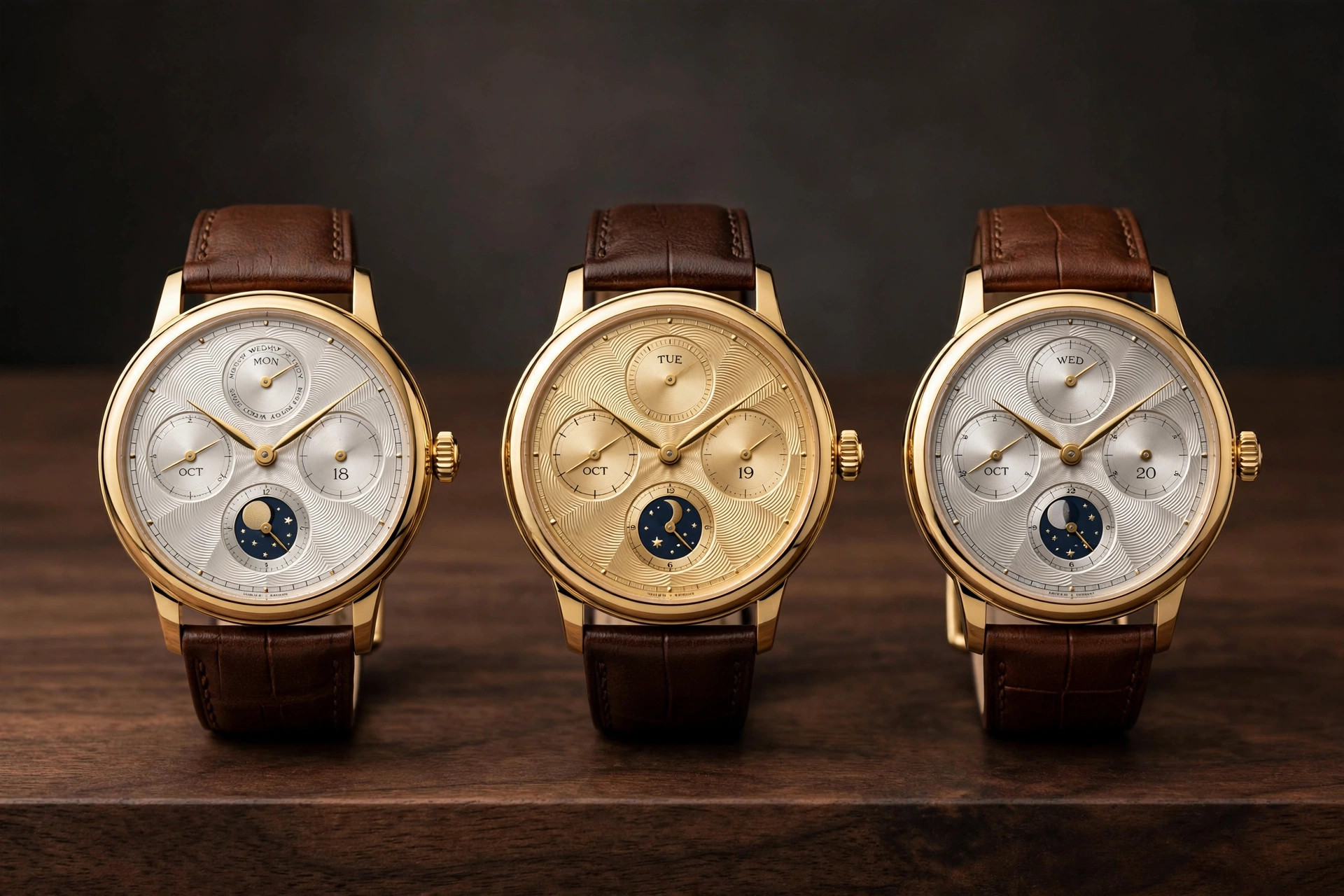
Patek Philippe Watches: A Legacy of Horological Excellence
Company History:
Patek Philippe, a prestigious Swiss watchmaking company, was founded in 1839 by Antoine Norbert de Patek and François Czapek. In 1845, Adrien Philippe, a talented French watchmaker, joined the firm, leading to the creation of "Patek Philippe & Co." The company's headquarters are located in Geneva, Switzerland, and it remains one of the few family-owned watch manufacturers.
Patek Philippe is renowned for its exceptional craftsmanship, precision, and devotion to horological innovation. The brand has a long history of creating complicated timepieces, including perpetual calendars, minute repeaters, split-seconds chronographs, and tourbillons. Notably, Patek Philippe has produced timepieces for royalty, dignitaries, and prominent figures throughout its history.
Watch Designers and Innovations:
Patek Philippe has seen the contributions of numerous talented watch designers and engineers throughout its history. Some notable figures include:
Adrien Philippe:
- Adrien Philippe, one of the founders, invented the keyless winding mechanism in 1845, eliminating the need for a key to wind and set the watch.
Jean Adrien Philippe:
- Jean Adrien Philippe, the son of Adrien Philippe, played a significant role in the company, particularly in promoting and expanding the brand's market.
Louis Cottier:
- Louis Cottier, a renowned watchmaker and inventor, collaborated with Patek Philippe, contributing to the development of world-time and other complex watches.
Gerald Genta:
- Though not a Patek Philippe employee, Gerald Genta designed the iconic Patek Philippe Nautilus in 1976, a significant design in the brand's history.
Learn more about watch designers.
Popularity of the Brand in the Watch Industry:
Patek Philippe is revered and highly esteemed in the watch industry for several reasons:
Horological Mastery:
Patek Philippe is synonymous with horological excellence. The brand is known for producing some of the most complicated mechanical watches ever made, showcasing unparalleled craftsmanship and innovation.
Heritage and Tradition:
Patek Philippe's rich history and legacy, coupled with its focus on preserving traditional watchmaking techniques, contribute to its immense popularity. Collectors and enthusiasts value the brand's heritage.
Rare and Limited Editions:
Patek Philippe produces limited quantities of watches, especially complicated and special editions. This rarity and exclusivity attract collectors, making them highly sought after in the watch market.
Investment Value:
Patek Philippe watches are often seen as investments, appreciating in value over time due to their limited production and timeless appeal.
Brand Prestige:
Owning a Patek Philippe is a symbol of prestige and success. The brand's association with royalty, historical figures, and a discerning clientele further elevates its reputation.
Patek Philippe Watch Manufacturing Process:
Patek Philippe follows a meticulous and precise manufacturing process to ensure the creation of exceptional timepieces. Here are the key steps in the Patek Philippe watch manufacturing process:
Design and Development:
- The process begins with extensive research and design, where Patek Philippe's skilled watchmakers and designers collaborate to create new models or enhance existing ones. Advanced technologies like computer-aided design (CAD) are often used in this phase.
Material Selection:
- Patek Philippe uses only the finest materials, including high-grade stainless steel, gold (yellow, rose, and white), platinum, and titanium. The choice of material is carefully considered based on the specific model and its intended purpose.
Component Manufacturing:
- Patek Philippe manufactures almost all components in-house. This includes the movement, case, dial, hands, and bracelet. The components are meticulously crafted using advanced machinery, ensuring precision and accuracy.
Assembly:
- Expert watchmakers carefully assemble the components by hand. The assembly process involves precision and attention to detail to ensure the perfect fit and function of each part.
Testing and Quality Control:
- Each completed watch undergoes rigorous testing to ensure its accuracy, water resistance, power reserve, and overall performance. Patek Philippe has its own testing standards that exceed the COSC (Contrôle Officiel Suisse des Chronomètres) requirements.
Finishing and Decoration:
- Patek Philippe pays great attention to the finishing of its watches. The watches undergo various finishing techniques, including polishing, brushing, and engraving, to achieve the desired aesthetic and high-quality finish.
Final Inspection and Certification:
- After the watch passes all tests and quality checks, it undergoes a final inspection to verify its accuracy and quality. Patek Philippe watches are officially certified, guaranteeing exceptional precision and performance.
Quality of Materials:
Patek Philippe is renowned for using only the highest-quality materials, reflecting their commitment to excellence and durability. Here are some key aspects of the materials used by Patek Philippe:
Precious Metals:
Patek Philippe uses 18-karat gold (yellow, rose, and white), platinum,
and other precious metals. These metals are meticulously crafted, providing
a luxurious and timeless aesthetic to the watches.
Stainless Steel:
When using stainless steel, Patek Philippe opts for high-quality, corrosion-resistant stainless steel grades to ensure durability and a polished finish
Sapphire Crystal:
Patek Philippe uses scratch-resistant sapphire crystal for the watch glass, providing excellent clarity and protection against scratches.
Advanced Ceramics:
Patek Philippe utilizes high-tech ceramic materials for some watch components, providing enhanced durability, scratch resistance, and an attractive finish.
Leather and Straps:
Patek Philippe uses top-quality leather and materials for watch straps, ensuring comfort, longevity, and an elegant look.
The meticulous selection and use of these premium materials contribute to the exceptional durability, longevity, and aesthetic appeal of Patek Philippe watches, making them highly coveted by watch enthusiasts and collectors.
Acquiring an authentic Patek Philippe watch is crucial for ensuring you receive a genuine and high-quality timepiece. Here are some tips on the best places to purchase a Patek Philippe watch and how to ensure its authenticity:
Best Places to Purchase a Patek Philippe Watch:
Authorized Patek Philippe Retailers:
- The most reliable and recommended way to purchase an authentic Patek Philippe watch is through authorized Patek Philippe retailers. These authorized dealers are officially certified and have a direct association with Patek Philippe.
Patek Philippe Boutiques:
- Patek Philippe operates its own boutiques around the world. Purchasing directly from a Patek Philippe boutique ensures the authenticity of the watch and often provides a premium shopping experience.
Reputable Jewelry and Watch Retailers:
- Reputable high-end jewelry stores or luxury watch retailers that are
authorized Patek Philippe dealers are trusted sources for purchasing
genuine Patek Philippe watches.
Tips to Ensure Authenticity:
Verify Dealer Authorization:
- Confirm that the retailer is an authorized Patek Philippe dealer. Visit the official Patek Philippe website to verify the retailer's authorization.
Request Documentation:
- Ask for all original documents, including the warranty card, sales receipt, and any other paperwork provided by Patek Philippe. Genuine watches will come with complete and accurate documentation.
Examine the Watch Closely:
- Inspect the watch for quality and craftsmanship. Genuine Patek Philippe watches are made with precision and attention to detail, with clean and flawless finishing.
Check the Hallmarks and Engravings:
- Look for correct hallmarks and engravings on the case and clasp that are consistent with Patek Philippe's known standards. Authentic Patek Philippe watches will have clear and precise engravings.
Validate the Movement:
- Familiarize yourself with the specific movement used in the Patek Philippe watch you intend to buy. Check the movement's characteristics, finishing, and accuracy against known specifications.
Seek Expert Opinion:
- If in doubt, consult a reputable and knowledgeable watch expert or appraiser to authenticate the watch before making a purchase. Their expertise can be invaluable in verifying authenticity.
Avoid Untrusted Sources:
- Be cautious of purchasing from unknown or untrusted sources, especially online marketplaces or unofficial online retailers. Stick to authorized dealers and well-established jewelry stores.
By following these tips and purchasing from authorized dealers, you can significantly reduce the risk of purchasing a counterfeit or misrepresented Patek Philippe watch. Prioritize authenticity and quality when making such a significant investment in a luxury timepiece.
Acquiring a Patek Philippe watch, whether new or vintage, involves considerations based on personal preferences, collecting goals, and budget constraints. Here's a breakdown of the pros and cons of buying a new Patek Philippe watch versus a vintage Patek Philippe watch:
New Patek Philippe Watch:
Pros:
Latest Technology and Features:
New Patek Philippe watches often incorporate the latest advancements in watchmaking technology, materials, and movement innovations, ensuring superior accuracy, durability, and performance.
Full Warranty and Support:
Buying new grants you a comprehensive manufacturer's warranty, providing peace of mind and coverage for any potential repairs or maintenance needed during the warranty period.
Unworn and Pristine Condition:
New Patek Philippe watches are in pristine condition, with untouched finishes and no signs of wear or aging, ensuring a fresh and flawless appearance.
Current Designs and Models:
If you prefer contemporary designs or the latest models, buying new allows you to choose from the current Patek Philippe collection, showcasing the brand's present aesthetic and style.
Potential for Appreciation:
Historically, certain new limited-edition Patek Philippe watches have appreciated in value over time, making them a potential investment.
Cons:
Higher Cost:
New Patek Philippe watches come with a premium price tag due to the latest features, advanced technology, and the assurance of unworn, brand-new condition.
Immediate Depreciation:
Like many luxury items, a new Patek Philippe watch may experience an initial depreciation once purchased, although Patek Philippe watches tend to retain value well over time.
Vintage Patek Philippe Watch:
Pros:
Historical and Unique:
Vintage Patek Philippe watches possess character and
history, often with unique design elements or features that may not be found
in modern models.
Potential Investment:
Some vintage Patek Philippe watches have appreciated
significantly over the years, making them potential investments that can
provide a return on investment if well-maintained.
Collectible and Rare:
Owning a vintage Patek Philippe can provide a sense
of nostalgia and connection to iconic models that have stood the test of
time, becoming collectible and highly sought after.
Lower Initial Cost:
Generally, vintage Patek Philippe watches have a lower initial cost compared to their new counterparts, making them more accessible for collectors and enthusiasts.
Cons:
Condition and Maintenance:
Vintage watches may require more frequent maintenance and could have signs of wear and tear, which may affect the overall aesthetics and value.
Finding specific vintage Patek Philippe models in good condition can be challenging due to limited availability, especially for rarer or sought-after pieces.
No Manufacturer Warranty:
Vintage Patek Philippe watches do not come with a manufacturer's warranty, so any repairs or servicing will be at your expense.
The choice between a new and vintage Patek Philippe watch depends on your preferences, budget, and what you value in a timepiece. If you seek the latest technology and design, a new watch might be suitable. If you appreciate history, unique designs, and potential investment, a vintage Patek Philippe could be the right choice. Regardless, both options offer the timeless elegance and exceptional craftsmanship that Patek Philippe is renowned for. You may also want to learn the differences between vintage watches and antique watches.
Patek Philippe has been an influential force in the watch industry for nearly two centuries, and its designs have evolved in response to changing tastes, technologies, and societal shifts. Here's an overview of Patek Philippe watch trends over various decades:
19th Century:
Early Innovations:
In the early 19th century, Patek Philippe focused on innovations such as keyless winding mechanisms, precision timekeeping, and complications like perpetual calendars and chronographs.
Early to Mid-20th Century:
Art Deco Influence:
During the Art Deco era in the 1920s and 1930s, Patek Philippe embraced geometric shapes, vibrant colors, and bold designs, reflecting the prevailing Art Deco aesthetic.
Travel Timepieces:
Patek Philippe introduced travel timepieces and world-time watches to cater to the needs of an increasingly mobile and international clientele.
1950s to 1970s:
Golden Era of Dress Watches:
The 1950s to 1970s marked the golden era of dress watches for Patek Philippe. Watches with slim profiles, elegant dials, and sophisticated complications were highly popular.
Launch of Iconic Models:
Patek Philippe introduced iconic models like the Calatrava (1932), the Nautilus (1976), and the Ellipse (1968), all of which gained immense popularity for their unique designs and precision.
1980s to 2000s:
Sporty Designs and Complications:
The 1980s and beyond saw Patek Philippe expanding into sportier designs. The Nautilus and Aquanaut models gained traction for their sporty yet luxurious appeal.
Highly Complicated Watches:
Patek Philippe continued to push the boundaries of horological complexity, introducing highly complicated watches like the Grandmaster Chime and the Sky Moon Tourbillon.
2010s to 2020's:
Retro Revival:
Patek Philippe embraced a trend of reviving vintage designs in modern watches, appealing to nostalgia and the timeless appeal of classic timepieces.
Integration of Advanced Materials:
Patek Philippe started integrating advanced materials like silicon and upgraded alloys into their movements, enhancing performance, accuracy, and durability.
Focus on Limited Editions:
Patek Philippe increasingly focused on limited-edition releases, creating exclusivity and driving demand among collectors.
Continuation of Iconic Models:
Patek Philippe continued to evolve and update iconic models like the Calatrava, Nautilus, and Aquanaut, adapting them to contemporary tastes and technology.
Throughout these decades, Patek Philippe maintained its commitment to precision, craftsmanship, and elegance, making it a staple in the luxury watch world. The brand's ability to adapt to changing trends while preserving its core values has solidified its status as a timeless and sought-after horological icon.
Patek Philippe's dedication to innovation, its legacy of horological achievements, and its commitment to preserving tradition have solidified its position as one of the most prestigious and sought-after watchmakers in the world. Each Patek Philippe timepiece represents the epitome of Swiss watchmaking excellence.
Learn more at the Patek Philippe official website.
Learn more watches and other types of jewelry in our Jewelry Guide.
Heritage Kept in Working Order
A defining Patek Philippe practice is continuity of care: the house keeps records of its production and undertakes the servicing and restoration of any watch it has made since 1839, including pieces whose movements predate modern parts. Extracts from the archives document a watch's manufacture and sale, and collectors treat those papers as part of a vintage piece's identity and value. The Patek Philippe Museum in Geneva displays the house's own collection alongside antique timepieces from the 16th century onward, placing its watches in the longer history covered by the antique watches guide in this section.
Production discipline is the other half of the reputation. Every movement is made and finished within the house's own workshops under its own quality seal, and output is deliberately held below demand, which is why waiting lists and strong second-hand values attach to its steel sports models in particular. For the industry, the house functions as a standard: when other makers describe a watch as finished to the highest level, Patek Philippe is usually the comparison they have in mind.
Common Questions
Why is Patek Philippe considered the benchmark of fine watchmaking?
Because of the combination it sustains across every level: in-house movements including the most demanding complications, hand finishing throughout, a continuous history since 1839, family ownership that keeps decisions independent, and production limited enough that quality control stays absolute. The house also maintains an archive and museum of its own work and services every watch it has ever made, so a Patek Philippe is supported for its whole life. Other houses excel in parts of that list; few match all of it at once.
What complications is Patek Philippe best known for?
Perpetual calendars that track day, date, month and leap year, minute repeaters that strike the hours, quarters and minutes on gongs, split-seconds chronographs that can time two intervals at once, world-time watches showing all time zones together, and tourbillons regulating the movement against gravity. The house combined many of these in its grand complication watches, which are among the most complex portable timepieces ever made, and its annual calendar, a simpler mechanism needing one correction a year, shows the same inventiveness at a practical level.
Who designed the Patek Philippe Nautilus?
Gérald Genta, the most influential watch designer of the 20th century, designed the Nautilus, launched in 1976 as a luxury sports watch in steel with a porthole-shaped case and an integrated bracelet. Genta was not a Patek Philippe employee: the house commissioned the design from him, as other great houses did for their defining sports models. The Nautilus began the luxury sports watch category in its modern form and remains one of the house's most sought-after lines alongside the Calatrava dress watch.