Designer Watches
Watches as design statements from fashion and luxury houses
A designer watch is a watch created by a well-known fashion house, luxury brand or celebrated designer, where the design language and brand identity lead and the watch is a statement piece as much as a timekeeper. The contrast is with non-designer watches, the affordable and mass-market pieces from a wide range of manufacturers that compete on price and function. Designer watches distinguish themselves through design aesthetics, with distinctive, often innovative styling and luxurious materials; through craftsmanship and quality standards set by the house; through prestige, since the watch signals the wearer's taste and status; through brand legacy, because many houses carry decades or centuries of reputation; and through limited editions and premium collections that add exclusivity. The category spans two kinds of maker: fashion houses whose main business is clothing and accessories, which bring a strong seasonal design eye to watches, and luxury watch houses whose design reputations were built on timepieces themselves. Both sell design first, and both are judged by how well the watch expresses the house. This guide explains the designer category, its benefits and its limits, and what to check before paying the designer premium.
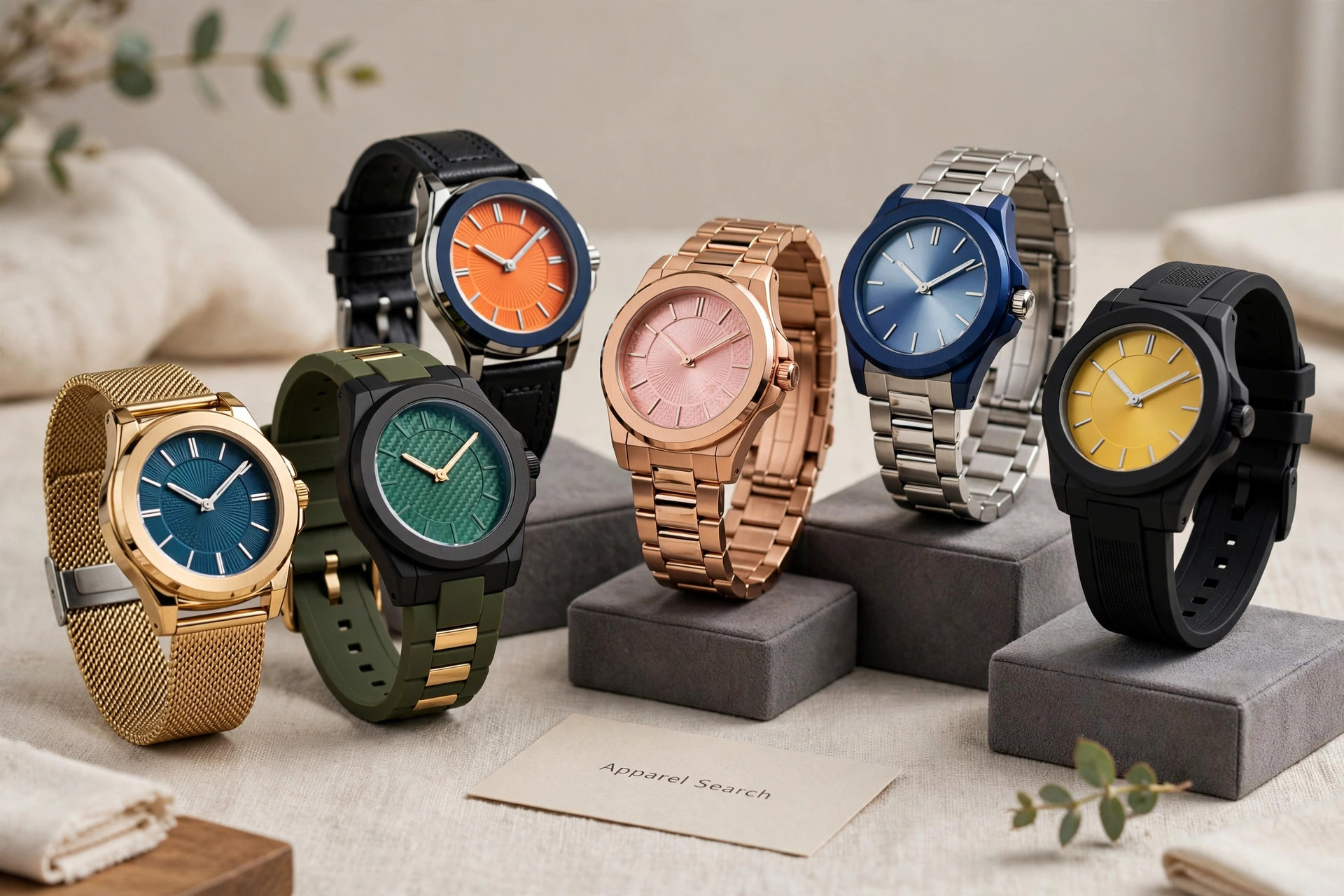
The Allure of Designer Watches: A Blend of Craftsmanship and Elegance
Wristwatches have evolved beyond mere timekeeping devices to become statement pieces, reflecting personal style and affluence. Within the realm of wristwatches, there exists a distinction between designer watches and non-designer watches. Designer watches, often associated with luxury brands and renowned designers, bear a unique appeal compared to their non-designer counterparts. Let's delve into what sets designer watches apart, their benefits, and where enthusiasts can indulge in these horological marvels.
Designer Watches vs. Non-Designer Watches
The primary distinction lies in the origin and branding of the timepiece. Designer watches are crafted by well-known fashion houses, luxury brands, or celebrated designers. These watches are a seamless blend of design, precision, and craftsmanship. Non-designer watches, often termed as "affordable" or "mass-market" watches, come from a range of manufacturers and brands, offering a more accessible price point.
Designer watches exude an element of exclusivity, boasting unique designs, high-quality materials, and meticulous attention to detail. They are often limited edition or part of a premium collection, elevating their desirability and status. Conversely, non-designer watches tend to have a broader market appeal, targeting a wider audience in terms of style and price.
The Benefits of Designer Watches
Design Aesthetics:
Designer watches are renowned for their distinctive and exquisite designs. These timepieces often incorporate innovative design elements, luxurious materials, and avant-garde styling, setting them apart in the world of horology.
Craftsmanship and Quality:
Luxury brands and designers prioritize craftsmanship and quality. Designer watches are crafted to the highest standards, ensuring longevity, accuracy, and durability. The meticulous attention to detail is a hallmark of these timepieces.
Prestige and Status:
Owning a designer watch signifies affluence, sophistication, and discerning taste. It is a statement of prestige, allowing wearers to showcase their status and appreciation for luxury.
Brand Legacy and Heritage:
Designer watches often come from brands with rich legacies and histories. These brands have earned a reputation for excellence in design, innovation, and watchmaking expertise over the years.
Limited Editions and Exclusivity:
Many designer watches are released as limited editions or exclusive collections, adding an element of rarity and exclusivity. This exclusivity appeals to collectors and connoisseurs.
Shopping for Luxury Designer Watches
Enthusiasts seeking to acquire designer watches can explore a variety of avenues:
Brand Boutiques:
Visit exclusive boutiques owned by luxury watch brands. These boutiques offer a curated selection of their latest collections and iconic timepieces.
Authorized Retailers:
Explore authorized retailers of luxury designer watches. These retailers provide a wide range of options and often have certified sales associates to guide buyers.
Luxury Department Stores:
Premium department stores often house a diverse range of luxury designer watch brands, providing an opportunity to compare and choose from multiple brands in one location.
Online Retailers:
Reputable online platforms like the official websites of luxury brands, WatchBox, Chrono24, and Jomashop offer a convenient way to browse and purchase designer watches from the comfort of your home.
Auctions and Events:
Attend watch auctions, horology events, or luxury exhibitions. These venues often showcase rare and collectible designer watches, allowing enthusiasts to bid on unique timepieces.
- Learn about apparel & jewelry auctions.
Designer watches encapsulate a fusion of art, craftsmanship, and elegance, representing the epitome of horological luxury. The benefits of owning a designer watch extend beyond functionality, encompassing prestige, exclusivity, and a tangible connection to the legacy of renowned brands. For those enamored with luxury and style, investing in a designer watch is an affirmation of their appreciation for the finest in watchmaking and design.
Here are some of the most popular designer brand watches along with brief
descriptions and links to their official websites:
Rolex is a Swiss
luxury watchmaker known for its precision, durability, and timeless designs.
It's one of the most iconic and sought-after luxury watch brands globally,
with a rich heritage dating back to 1905.
Omega is a Swiss watchmaker recognized for its precision, innovation, and association with space exploration. Their watches are known for their robustness and accuracy, particularly the Speedmaster worn by astronauts on the moon.
Patek Philippe is a Swiss luxury watchmaker renowned for its exceptional craftsmanship and timeless designs. It's often considered the epitome of high watchmaking, producing limited-edition timepieces sought after by collectors.
Tag Heuer is a Swiss luxury watchmaker known for its sporty and innovative timepieces. They specialize in chronographs and have a rich heritage in motorsports, often collaborating with renowned personalities and events.
Audemars Piguet is a Swiss luxury watchmaker celebrated for its avant-garde designs and high-quality craftsmanship. Their Royal Oak collection is an icon in the world of luxury watches.
Hublot is a Swiss luxury watchmaker known for its fusion of materials and contemporary designs. They are recognized for their Big Bang collection and their innovative use of materials like ceramic, titanium, and carbon fiber.
Breitling is a Swiss luxury watchmaker specializing in aviation-inspired timepieces. Their watches are known for their durability, precision, and various pilot-oriented features.
Cartier is a French luxury jeweler and watchmaker known for its elegance and sophistication. Their watches often feature timeless designs and luxurious materials, appealing to those seeking a blend of jewelry and horology.
Please note that the popularity and perception of brands can vary based on personal preferences and trends. It's advisable to explore each brand's official website to discover their full range of offerings, collections, and the latest releases.
Learn about the top 10 watch brands.
You may want to read about gold watches.
Learn about designer brands.
You may find interest in the most expensive watches.
Fashion Houses and Watch Houses
The designer label covers two different strengths. Fashion houses bring silhouette, color and styling fluency: their watches extend a clothing collection to the wrist, change with the seasons, and suit buyers who coordinate a watch with the rest of an outfit. Watch houses with designer reputations bring movement manufacture, case engineering and models that stay in production for decades, and suit buyers who want one watch to define a look for years. Knowing which kind of designer made a watch sets the right expectations for servicing, longevity and resale.
Where enthusiasts buy matters too: authorized boutiques and retailers provide the warranty, papers and authentication that support a designer watch's value, while grey-market and second-hand sources discount the price at the cost of that paperwork. For a category whose premium is substantially brand, the documented provenance is part of the product, and keeping box, papers and service records protects whatever value the piece retains.
Common Questions
What makes a watch a designer watch?
Its origin and intent. A designer watch is designed and sold under the name of a fashion house, luxury brand or recognized designer, and its value rests on distinctive design, materials, finish and the brand's identity, rather than on movement innovation or tool-watch function. Non-designer watches may be excellent timekeepers, but they are sold on specification and price. In practice, look at who stands behind the watch and what the premium buys: design, materials and brand, which should all be visible in the finished piece.
Are designer watches good quality?
Quality in the designer category follows the individual house and price level rather than the label alone. Established luxury houses build to high standards of case finishing, materials and quality control, while fashion designer watches at accessible prices typically use reliable quartz movements in design-led cases, which is a fair trade at their price. Check the specifications that matter in any watch: case material, crystal type, water resistance and warranty, and compare them with non-designer watches at the same price before deciding the design premium is worth it.
What do limited edition designer watches offer?
Scarcity and a design that will not be repeated. A limited edition is produced in a stated number, often marking an anniversary, a collaboration or a designer's collection, and numbered pieces can hold value better than standard models when the house and design are significant. The premium is only justified when the limitation is genuine and documented, the design differs meaningfully from regular production, and the buyer wants the piece itself, since limited editions are not a guaranteed investment and most watches of every kind lose value from their retail price.
More to Explore
- apparel & jewelry auctions
- Rolex Official Website
- Omega Official Website
- Patek Philippe Official Website
- Tag Heuer Official Website
- Audemars Piguet Official Website
- Hublot Official Website
- Breitling Official Website
- Cartier Official Website
- top 10 watch brands
- about gold watches
- designer brands
- most expensive watches
- Watch Guide
- Watch Guide Pg. 2
- Watch Designers
- Jewelry Guide