Top 10 Watch Brands
The brand landscape at the top of watchmaking
A top watch brand earns its place through a combination of artistry, innovation and staying power, and the leading houses share long histories: most were founded in the 19th century or earlier and are still defining their categories. The men's list runs Patek Philippe, founded in 1839 and renowned for intricate complications; Rolex, established in 1905, synonymous with prestige, robustness and precision; Audemars Piguet, founded in 1875 and known for the Royal Oak luxury sports watch; Omega, established in 1848, the official watch of NASA and the first watch on the Moon, with the Seamaster and Speedmaster; Jaeger-LeCoultre, established in 1833, a powerhouse of complications; TAG Heuer, founded in 1860 and tied to motorsports; Breitling, founded in 1884 and aviation-inspired; IWC Schaffhausen, established in 1868; Vacheron Constantin, founded in 1755 and one of the oldest luxury watchmakers; and Hublot, founded in 1980, the modern name on the list, known for avant-garde design and fusion of materials. The women's list adds houses led by jewelry and fashion: Chopard, Cartier, Bvlgari, Longines and Chanel, alongside women's collections from Rolex, Omega, Patek Philippe, Audemars Piguet and Jaeger-LeCoultre. This guide profiles each brand on both lists and what it is known for.
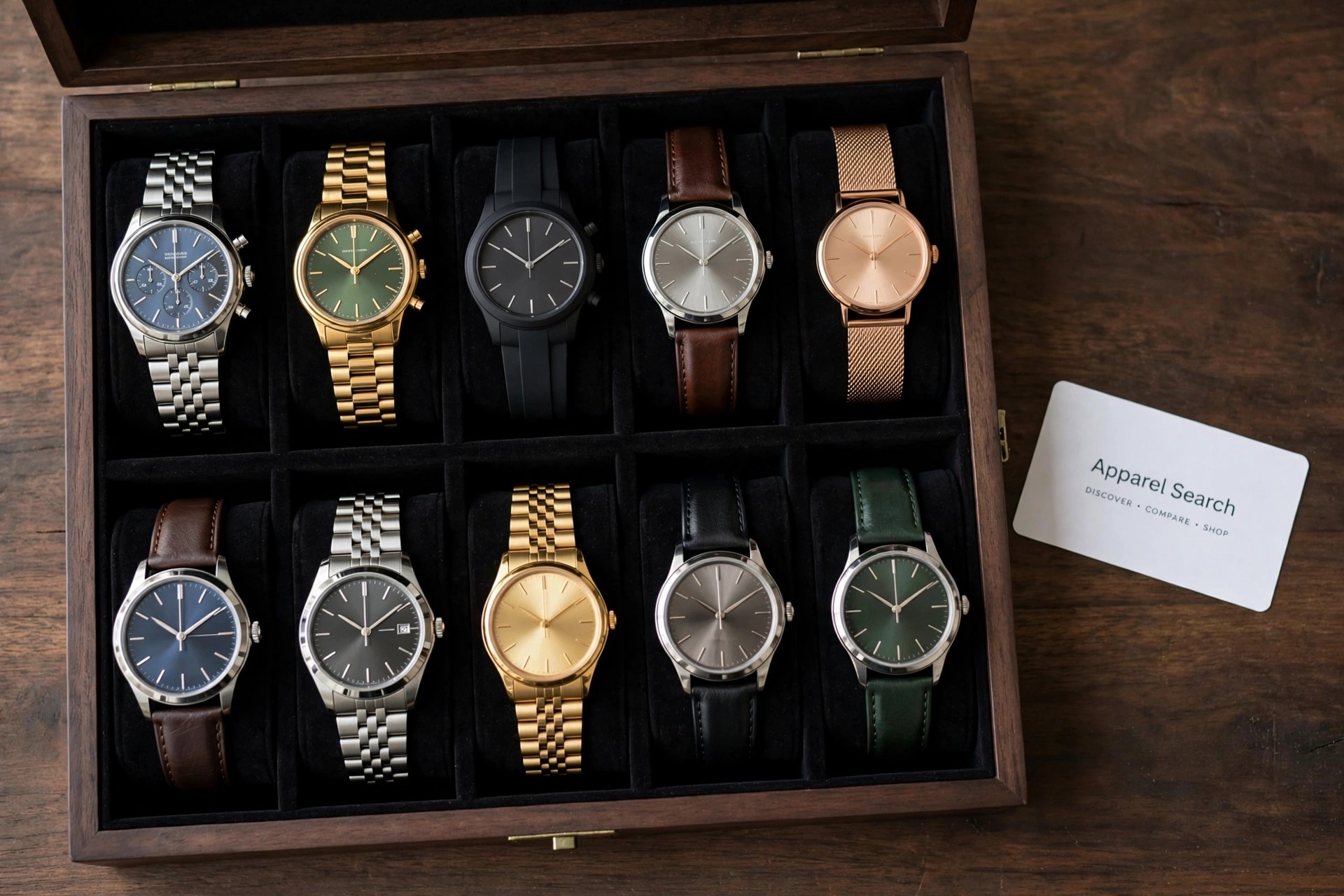
The Top 10 Watch Brands: A Blend of Elegance, Precision, and Innovation
Watches have transcended their utilitarian roots to become timeless accessories, exuding craftsmanship and style. With a plethora of watch brands in the market, each catering to distinct tastes and preferences, it's important to highlight the crème de la crème. In this article, we present the top 10 watch brands, showcasing their unparalleled artistry and innovation.
Top 10 Men's Watch Brands:
Patek Philippe:
- Company Description: Patek Philippe, founded in 1839, epitomizes luxury and precision. This Swiss brand is renowned for its intricate complications, impeccable design, and exceptional craftsmanship. Each Patek Philippe watch is a masterpiece, often fetching top spots in the horological world. Learn more about Patek Philippe watches.
Rolex:
- Company Description: Rolex, synonymous with prestige and performance, is an icon in the watch industry. Established in 1905, this Swiss brand is celebrated for its enduring designs, robustness, and precision. Rolex watches are favored by explorers, athletes, and leaders alike.
Audemars Piguet:
- Company Description: Founded in 1875, Audemars Piguet is a pioneer of avant-garde watchmaking. Renowned for the Royal Oak, a legendary luxury sports watch, this Swiss brand blends innovation with traditional craftsmanship, setting industry standards.
Omega:
- Company Description: Omega, established in 1848, is synonymous with precision and durability. The official watch of NASA and the first watch on the moon, Omega exemplifies innovation and elegance. Its Seamaster and Speedmaster collections are iconic.
Jaeger-LeCoultre:
- Company Description: Jaeger-LeCoultre, established in 1833, is a powerhouse of horological innovation. This Swiss brand is known for its extensive range of complications and elegant designs, earning it a revered position in the watchmaking world.
Tag Heuer:
- Company Description: Tag Heuer, founded in 1860, is a pioneer in precision timekeeping. Renowned for its sporty designs and technological advancements, this Swiss brand has a strong association with motorsports and adventure.
Breitling:
- Company Description: Founded in 1884, Breitling is a symbol of precision and performance. This Swiss brand is celebrated for its aviation-inspired watches, known for their accuracy and durability in extreme conditions.
IWC Schaffhausen:
- Company Description: IWC Schaffhausen, established in 1868, is celebrated for its precision engineering and aviation-inspired designs. This Swiss brand is synonymous with luxury and innovation, appealing to watch aficionados worldwide.
Vacheron Constantin:
- Company Description: Vacheron Constantin, founded in 1755, is one of the oldest luxury watchmakers. Renowned for its high complications and timeless elegance, this Swiss brand is a paragon of horological heritage.
Hublot:
- Company Description: Hublot, founded in 1980, is known for its avant-garde designs and fusion of materials. This Swiss brand is a maverick in contemporary watchmaking, emphasizing innovation and bold aesthetics.
Top 10 Women's Watch Brands:
Chopard:
- Company Description: Chopard, founded in 1860, is synonymous with sophistication and luxury. This Swiss brand is celebrated for its exquisite jewelry watches and impeccable craftsmanship, catering to discerning women.
Cartier:
- Company Description: Cartier, established in 1847, is an epitome of elegance and style. Renowned for its timeless designs and fine jewelry, this French brand creates watches that combine artistry and luxury.
Rolex:
- Company Description: Rolex, a stalwart in men's watches, also offers a stunning range for women. The Rolex Lady-Datejust and Rolex Pearlmaster collections showcase the brand's dedication to sophistication and precision in women's timepieces.
Omega:
- Company Description: Omega extends its exceptional craftsmanship to women's watches as well. The Omega Constellation and Omega Seamaster Aqua Terra collections exemplify grace, precision, and versatility.
Patek Philippe:
- Company Description: Patek Philippe, renowned for men's watches, crafts exquisite timepieces for women too. The Patek Philippe Ladies' Calatrava and Patek Philippe Twenty-4 collections radiate elegance and timeless beauty.
Bvlgari:
- Company Description: Bvlgari, founded in 1884, is synonymous with Italian luxury and style. Known for its iconic Serpenti and Lvcea collections, this brand offers women's watches that are a blend of artistry and fashion.
Audemars Piguet:
- Company Description: Audemars Piguet presents an array of luxury watches for women, reflecting the brand's innovative spirit and elegance. The Audemars Piguet Royal Oak and Royal Oak Offshore ladies' collections exude sophistication and style.
Longines:
- Company Description: Longines, established in 1832, offers women's watches that epitomize classic beauty and refinement. The Longines Elegant and Longines DolceVita collections exude timeless grace.
Jaeger-LeCoultre:
- Company Description: Jaeger-LeCoultre, known for its men's watches, extends its expertise to create elegant timepieces for women. The Jaeger-LeCoultre Rendez-Vous collection showcases the brand's commitment to feminine sophistication.
Chanel:
- Company Description: Chanel, founded in 1910, is a fashion powerhouse known for its luxury watches. The Chanel J12 and Chanel Premiere collections are iconic, reflecting the brand's fusion of elegance and innovation.
These top 10 watch brands for men and women represent the epitome of craftsmanship, innovation, and style in the world of horology. Whether it's the timeless elegance of Patek Philippe, the sporty precision of Rolex, or the avant-garde designs of Hublot, these brands continue to shape the landscape of fine watchmaking, captivating aficionados and enthusiasts around the globe.
Learn more about watches.
You may want to learn about the most expensive watches.
Reading the Lists by Specialty
Grouped by specialty, the landscape is easier to use than ranked. For complications and high watchmaking, Patek Philippe, Vacheron Constantin and Jaeger-LeCoultre lead. For sports and professional watches, Rolex, Omega, TAG Heuer and Breitling carry the racing, diving, space and aviation records. For design-led and jewelry watches, Cartier, Chopard, Bvlgari and Chanel set the terms, and Hublot represents the contemporary, material-fusion approach that none of the older houses attempted.
For a buyer, the lists work best as a shortlist by purpose rather than a league table: choose the specialty first, then compare the two or three houses that define it, their signature collections and their price levels. The linked pages in this section go deeper on individual houses, including the full Rolex and Patek Philippe guides, and on the record prices in the most expensive watches guide, where several of these brands' flagship and vintage pieces set the auction benchmarks.
Common Questions
Why do the men's and women's top 10 lists differ?
Because the strengths that lead each market differ. The men's list is dominated by watchmaking houses known for complications, sports models and technical firsts. The women's list keeps several of those same houses, for collections such as the Rolex Lady-Datejust, the Patek Philippe Twenty-4 and the Jaeger-LeCoultre Rendez-Vous, and adds brands whose lead strength is jewelry or fashion design, Chopard, Cartier, Bvlgari and Chanel, whose Serpenti, Lvcea, J12 and Premiere lines treat the watch as a designed jewel as much as an instrument.
What do the top watch brands have in common?
Longevity, a signature model or collection the whole industry recognizes, and control of their own making. The founding years on these lists run from 1755 to 1980, with most in the 1800s, and each house is identified with something specific: Patek Philippe with complications, Omega with precision and the Moon watch, Audemars Piguet with the Royal Oak, Breitling with aviation, TAG Heuer with motorsport timing. Brands reach the top by doing one thing definitively and then sustaining it for generations.
Are all top 10 watch brands Swiss?
Most are, which reflects Switzerland's position in fine watchmaking, and the Swiss houses on the lists are described that way: Patek Philippe, Rolex, Audemars Piguet, Omega, Jaeger-LeCoultre, TAG Heuer, Breitling, IWC Schaffhausen, Vacheron Constantin, Hublot, Chopard and Longines. The exceptions prove the wider landscape: Cartier and Chanel are French luxury houses, and Bvlgari is Italian. Fine watchmaking's center is Swiss, but jewelry design and fashion have always given French and Italian houses a place at the top table for watches, especially women's watches.