Best Watches
Timepiece history, record prices and the houses behind the best watches
Although we can see the time on our phones, watches have huge importance to our sense of style. A watch is a small timepiece worn typically on a strap on one's wrist or carried; a timepiece - a watch or a clock - is an instrument used to measure, keep and indicate time, measuring intervals shorter than the natural units of the day, the lunar month and the year. Before the best watches can be judged, the timepiece itself deserves its history, and this guide gives it: pocket watches, trench watches, mechanical movements, quartz and smartwatches.
The judging that follows rests on that history. Modern watches often display the day, date, month and year; mechanical watches add complications such as moon-phase displays and tourbillons; most electronic quartz watches offer timers, chronographs and alarms instead.
From Pocket Watch to Wristwatch
A pocket watch is designed to be carried in a pocket, secured by an attached chain to a waistcoat, lapel or belt loop so it cannot be dropped; pocket watches were the most common type of watch from their development in the 16th century until wristwatches became popular after World War I. The trench watch - the wristlet - was the transitional design that war produced, because pocket watches were impractical in combat: it kept hinged covers from the pocket watch while adding thick wire lugs for a strap, and the name wristlet survived into the early 1930s before the modern word wristwatch replaced it.
Mechanical watches drove the craft for most of that history: spring-powered clocks appeared as early as the 14th century, watches progressed in the 17th century, and the mechanical watch - clockwork powered by winding a mainspring, keeping time with an oscillating balance wheel - defined the category for centuries. The electronic quartz watch, invented in the 1960s, powered by a battery and regulated by a vibrating quartz crystal, had taken most of the market by the 1980s.
Record Prices: What Collectors Pay at the Summit
Two auction results mark the summit. The Henry Graves Supercomplication by Patek Philippe was commissioned by banker Henry Graves Jr, who desired to outdo the Grande Complication pocketwatch of automaker James Ward Packard; the two stood at the top of the watch-collecting world, regularly commissioning innovative timepieces, and the Graves watch remains the benchmark of collector-commissioned complications.
For wristwatches, the record belongs to Paul Newman's Rolex Daytona, reference 6239, which fetched 17.75 million US dollars in New York on October 26, 2017, at Phillips - making it the most expensive wristwatch, and the second most expensive watch, ever sold at auction in the USA as of November 2018; listed prices include the buyer's premium and are converted to US dollars.
Patek Philippe and Rolex
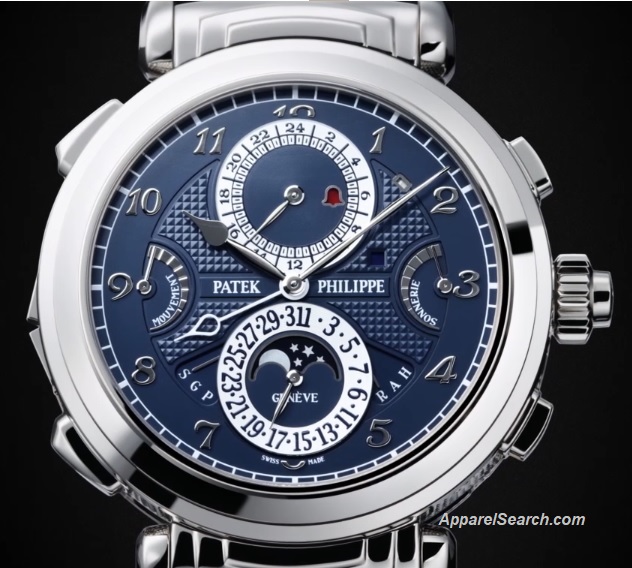
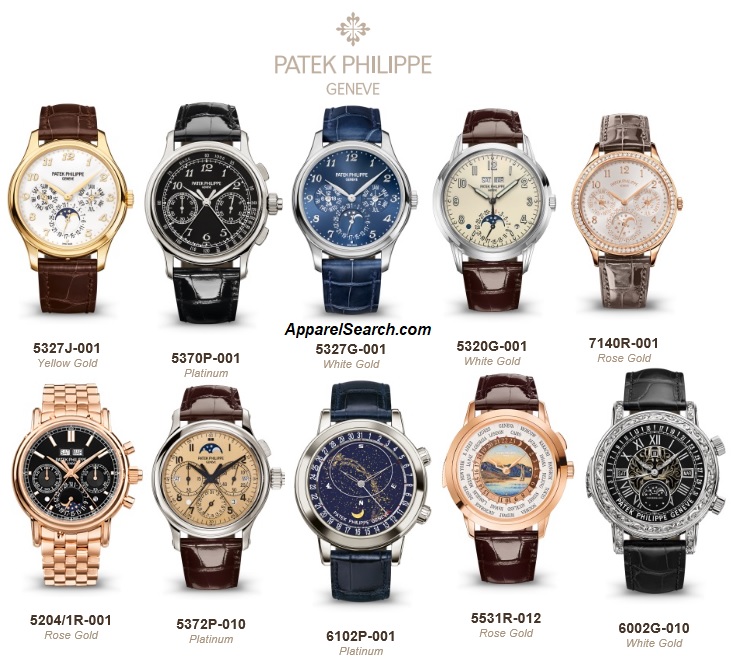
Patek Philippe represents complicated watchmaking as the supreme test of the designer's expertise and watchmakers' skill: the house masters all horological complications and has twice built the world's most complicated portable timepiece, capturing in each watch lifetimes of artistry to produce an object of timeless worth.
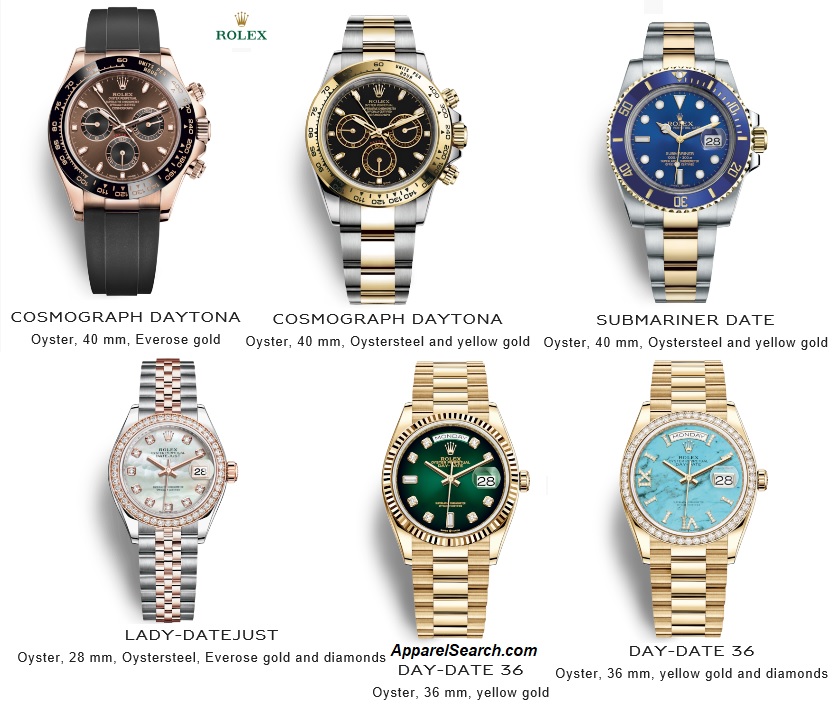
Rolex, the Swiss luxury manufacturer based in Geneva, was founded as Wilsdorf and Davis by Hans Wilsdorf and Alfred Davis in London in 1905, registered Rolex as its watch brand name in 1908, became Rolex Watch Co. Ltd. in 1915, and moved to Geneva after World War I to escape heavy taxation in a recovering Britain, registering Montres Rolex SA there in 1920. Rolex watches are crafted from the finest raw materials and assembled with scrupulous attention to detail, every component designed, developed and produced in-house, across a range from professional to classic models.
More Great Houses
Jaeger-LeCoultre, founded by Antoine LeCoultre in 1833 and based in Le Sentier, has been a fully owned Richemont subsidiary since 2000. Breguet, founded by Abraham-Louis Breguet in Paris in 1775 and now headquartered in L'Abbaye under the Swatch Group, is among the oldest surviving watchmaking brands and pioneered the tourbillon, invented by Abraham Breguet in 1801, and the first self-winding watch in 1780. Blancpain, founded by Jehan-Jacques Blancpain in Villeret in 1735 and headquartered at Paudex and Le Brassus, is known as the oldest surviving watchmaking brand in the world.
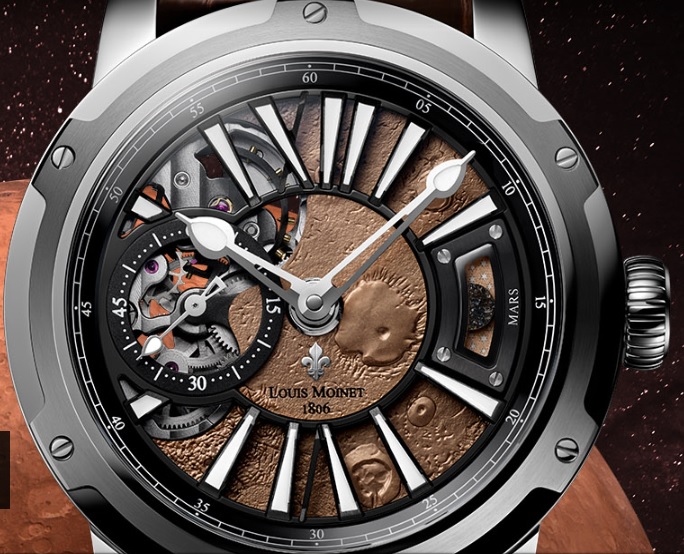
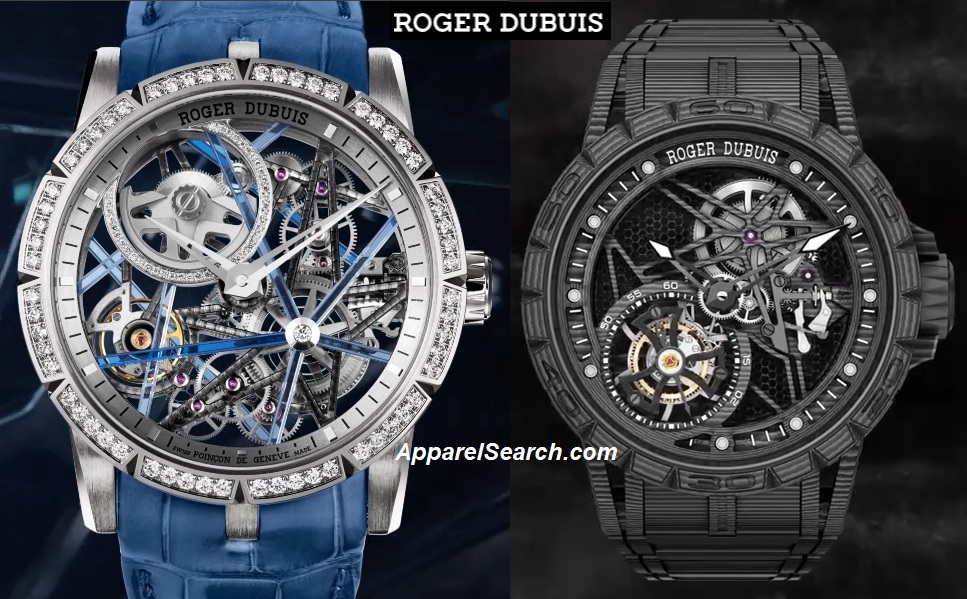
Louis Moinet, inventor of the chronograph, carries the name of the Bourges-born horologist, sculptor and painter. Audemars Piguet, founded by Jules Louis Audemars and Edward Auguste Piguet in the Vallee de Joux in 1875 and named Audemars Piguet & Cie in 1881, remains family-owned. Piaget, founded in 1874 by Georges Piaget in La Cote-aux-Fees as a movement maker, now sits within Richemont. Roger Dubuis, founded in Geneva in 1995 by Roger Dubuis and Carlos Dias, blends traditional watchmaking with modern design in its Excalibur and Velvet lines. Vacheron Constantin, founded in 1755 and a Richemont house since 1996, claims the world's longest uninterrupted watchmaking history, employing around 1,200 people as of 2018.
Common Questions
What is the most expensive wristwatch sold at auction in the USA?
Paul Newman's Rolex Daytona reference 6239, sold for 17.75 million US dollars in New York on October 26, 2017 - the most expensive wristwatch, and second most expensive watch overall, sold at auction in the USA as of November 2018.
Which is the oldest surviving watchmaking brand?
Blancpain, founded in Villeret in 1735, is known as the oldest surviving watchmaking brand, while Vacheron Constantin, founded in 1755, claims the longest uninterrupted watchmaking history.
Who invented the tourbillon and the chronograph?
Abraham-Louis Breguet invented the tourbillon in 1801 and produced an early self-winding watch in 1780. Louis Moinet is credited as the inventor of the chronograph.
Photos