Apparel Search · Fit & Tailoring
Made-to-Measure Explained
Between the rack and the bespoke tailor sits made-to-measure: a standard pattern adjusted to your body, your fabric, your details. Here is how MTM works and how it honestly compares with bespoke and ready-to-wear.
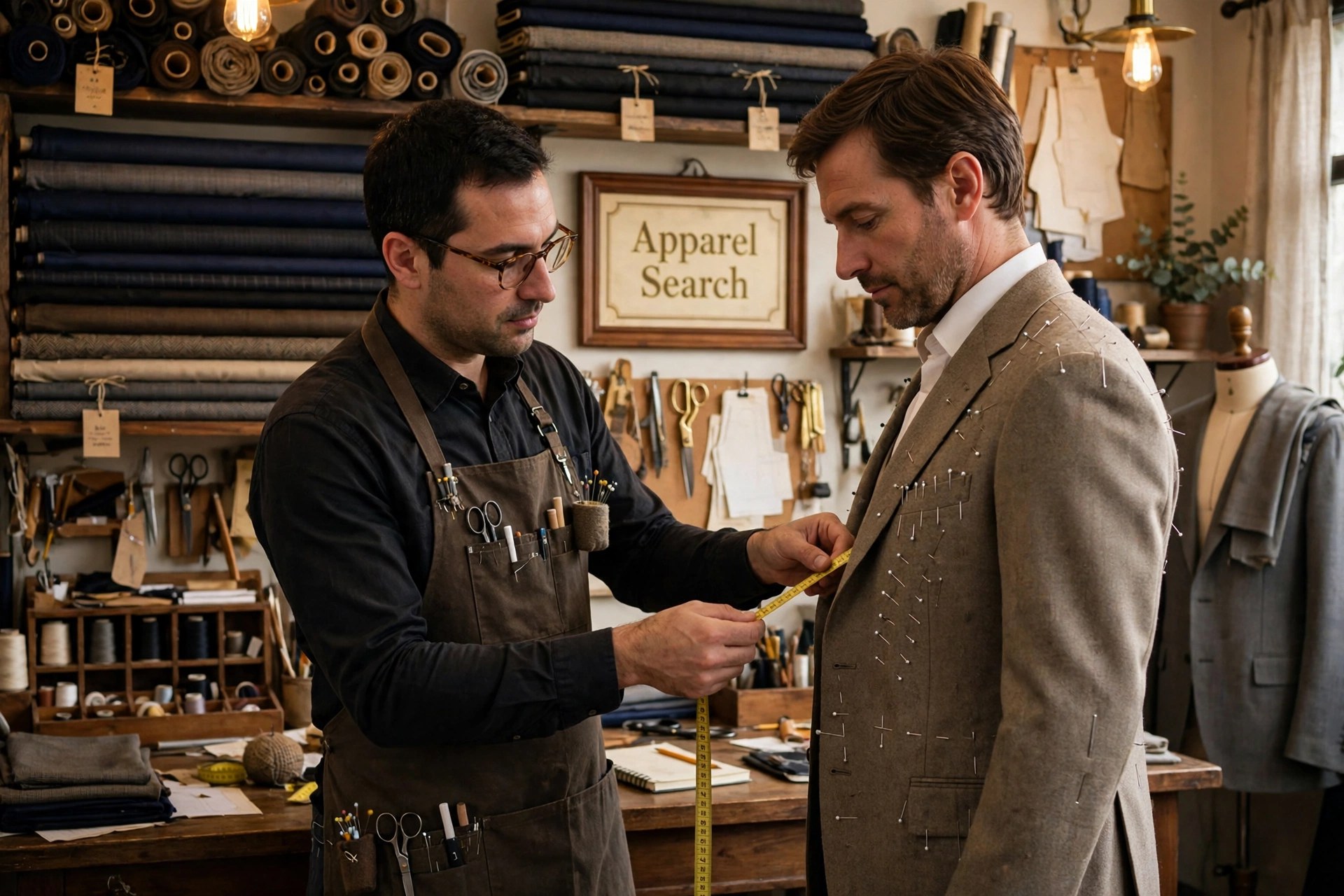
Most tailored clothing is bought in one of three ways, and the differences between them explain most of the differences in fit and price. Ready-to-wear is made in standard sizes before anyone buys it. Bespoke is made from a pattern drafted for one person. Made-to-measure — MTM — sits between them, and it is the option most men actually want once they understand it: a proven pattern, adjusted to your measurements, in a fabric you chose, at a price well below bespoke. Apparel Search's men's tailored clothing guides cover the garments themselves; this page covers the making methods behind them.
Made-to-Measure, Defined
Made-to-measure clothing is produced to order from an existing standard pattern that is modified to fit an individual customer's measurements and choices. The customer selects the fabric and details — lapels, buttons, lining, trouser style — and the pattern is adjusted in chest, waist, length, posture and other points before the garment is cut and sewn.
The Three Ways Tailored Clothing Is Made
Pattern: standard sizes, made in bulk before sale. Fittings: none at purchase; a tailor may alter the finished garment within limits. Choice: whatever is in the store. Fit: good for bodies close to the standard block; everyone else compromises. Price: lowest, and you can walk out wearing it today.
Pattern: a house block adjusted to your measurements. Fittings: a measuring session, then usually one fitting of the finished garment for final tweaks. Choice: fabric, lining and styling details from the maker's books. Fit: noticeably better than rack clothing for anyone off-standard. Price: a step above ready-to-wear, far below bespoke.
Pattern: drafted from scratch for your body alone. Fittings: several, including a basted fitting where the half-made garment is tried and re-cut. Choice: nearly unlimited, guided by the tailor. Fit: the highest achievable, accounting for posture and asymmetry in the pattern itself. Price: the highest, reflecting many hours of skilled hand work.
The distinctions matter because the words are often used loosely in marketing. A garment described as “custom” or even “bespoke” in a shop window is usually made-to-measure in the strict sense — which is no criticism: MTM is a genuinely good method. The Clothing Sizing & Fit Guide explains the standard sizing systems that all three methods start from, and why bodies so often fall between them.
How the Made-to-Measure Process Works
- Measurement. A fitter records the standard measurements — chest, waist, seat, sleeve, inseam and more — plus posture notes: shoulder slope, stoop, asymmetric shoulders. Trying on a sample garment in a stock size shows how the house block behaves on your body.
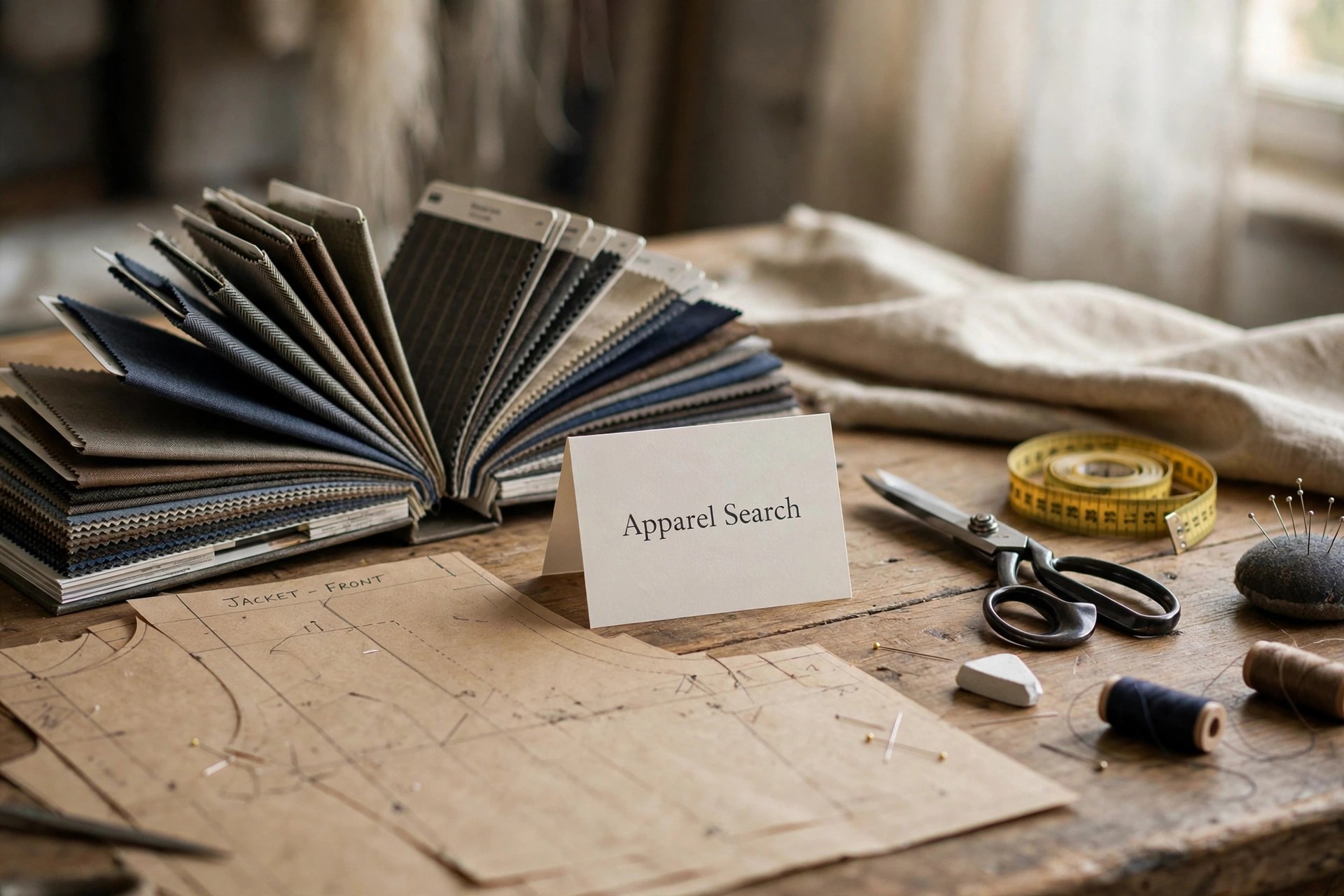
- Fabric and details. You choose the cloth from swatch books and specify lapels, buttons, pockets, lining and trouser details. These choices are written into the order, not improvised later.
- Pattern adjustment and making. The workshop adjusts the block pattern to your figures and cuts and sews the garment to order — the step that takes the few weeks between order and delivery.
- Fitting and finishing. You try the finished garment; the fitter marks final corrections such as sleeve length or waist suppression, and the garment is finished and pressed. Good makers keep your adjusted pattern and measurements on file, so reordering is easy.
Who Made-to-Measure Suits Best
MTM earns its keep for anyone the standard block fails: men between sizes, athletes whose chest and waist differ far more than the standard drop, tall or short men tired of compromising on length, and anyone with one shoulder lower than the other. It also suits buyers who know exactly what they want — a particular cloth, a wider lapel, a specific lining — and cannot find it on a rack. What it cannot do is reinvent a silhouette the way bespoke pattern drafting can, or fix everything for every body; the clothing alterations guide explains the limits of adjusting garments after they are made, which is exactly the territory MTM avoids by adjusting before cutting. For suits specifically, Apparel Search's men's suits guide walks through the styles the measurements will be applied to.
Related Guides on Apparel Search
Common Questions
Is made-to-measure the same as bespoke?
No. Made-to-measure starts from an existing standard pattern that is adjusted to your measurements, while bespoke starts from a blank sheet: the tailor drafts a unique pattern for your body alone and builds the garment through multiple fittings, including a basted fitting where the garment is only temporarily stitched. Bespoke offers the greatest control and the highest price; MTM offers most of the fit benefit for considerably less.
How many fittings does made-to-measure involve?
Usually one fitting after the garment is made, at which a tailor checks the result and marks any final adjustments — sleeve and trouser length, waist, and small balance corrections. The process starts with a detailed measuring session, and some makers add a mid-fitting for suits. Bespoke, by contrast, normally involves several fittings across the whole construction.
How long does a made-to-measure garment take?
Typically a few weeks from measurement to delivery, because the garment is produced to order in a workshop rather than cut from stock. Timelines vary by maker and season, and rush options sometimes exist. Bespoke takes longer — often a few months across its series of fittings — while ready-to-wear is, of course, available the day you buy it.
Is made-to-measure worth it compared with ready-to-wear plus alterations?
It depends on your body and your wardrobe. If standard sizes fit you well with minor tailoring, ready-to-wear plus alterations is the economical route. If you fall between sizes, have uneven shoulders, a large drop between chest and waist, or simply want to choose the fabric and details, made-to-measure removes most of the compromises — the proportions are adjusted before cutting, which alterations after the fact cannot always achieve.
Fit Is a System, Not a Size
Made-to-measure works because it treats fit as measurements, posture and ease working together — the same ideas the alterations guide applies from the other direction, after a garment already exists.