Men's Tailored Clothing Guide
Men's tailored clothing is the structured end of the wardrobe: suits, sport coats, blazers, dress trousers and overcoats built with shaped seams, canvassing and lining so the garment holds an architecture of its own instead of simply hanging from the body. Tailoring is defined by construction and by alteration - a tailored garment is made to be fitted to one man's measurements, whether it begins as bespoke, made-to-measure or an altered ready-to-wear piece.
Because the three methods are so often confused in shop windows and marketing, Apparel Search explains them side by side in Made-to-Measure Explained — how the patterns, fittings, choices and prices of bespoke, made-to-measure and ready-to-wear really compare.
Shop Men's Tailored Clothing Now
Shop Men's Tailored Clothing on Amazon Shop Men's Tailored Clothing on eBayThe Amazon and eBay links on this page are affiliate links. If you make a purchase through them, Apparel Search may earn a commission.
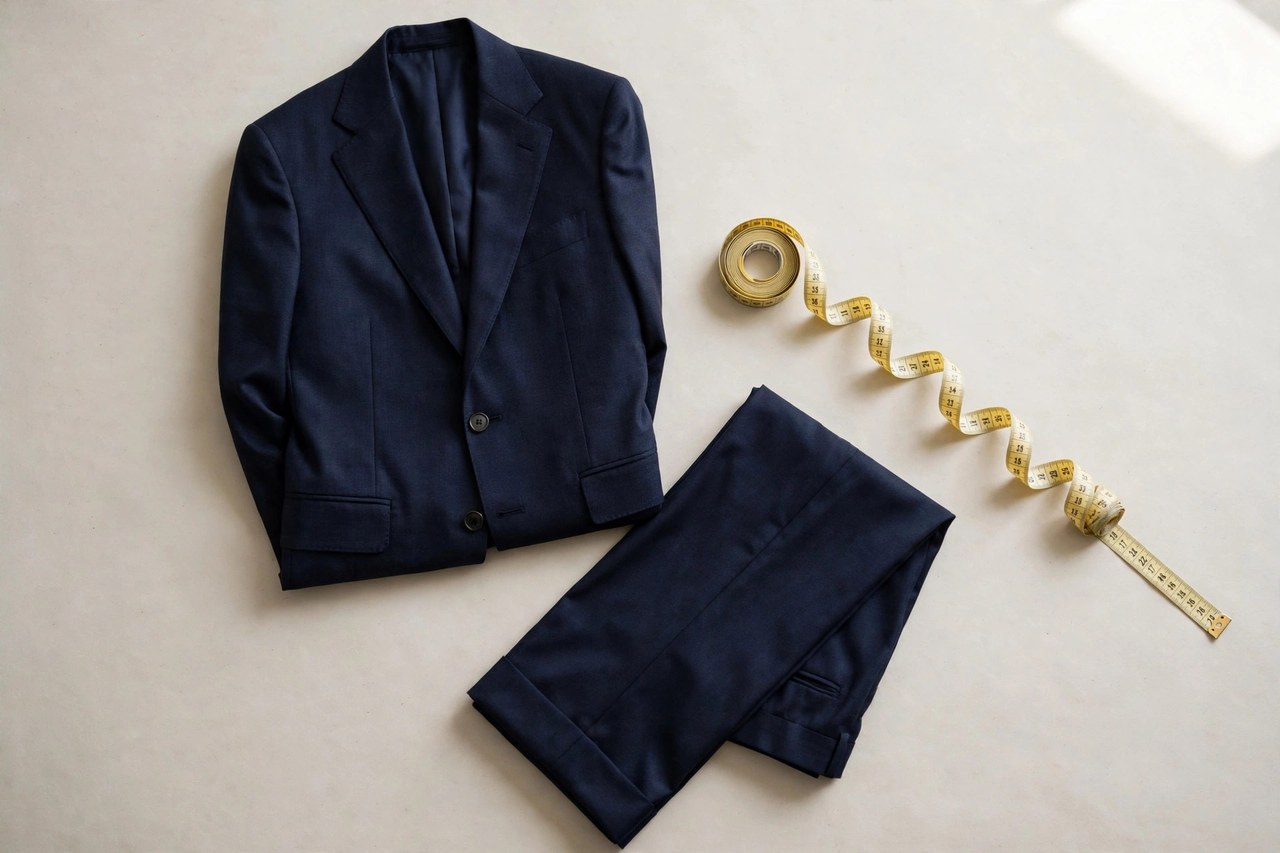
Men's tailored clothing is the structured end of the wardrobe: suits, sport coats, blazers, dress trousers and overcoats built with shaped seams, canvassing and lining so the garment holds an architecture of its own instead of simply hanging from the body. Tailoring is defined by construction and by alteration - a tailored garment is made to be fitted to one man's measurements, whether it begins as bespoke, made-to-measure or an altered ready-to-wear piece. This guide walks through the choices that matter - style, fit, fabric and finish - with the practical detail a product listing rarely gives you, and closes with the care habits that keep the garment in service.
Styles and Construction
The construction ladder runs from fused (glued) interlinings, which are crisp but can bubble with age and dry cleaning, through half-canvas, where a floating chest piece gives the jacket its roll and shape, to full canvas, the traditional standard that molds to the wearer over time. Cloth matters as much as construction: worsted wool in Super 100s-130s balances drape and durability for business suits, while flannel, tweed and linen serve colder and hotter ends of the year. Details signal intent - working buttonholes, pick stitching, a hand-set collar - but fit outranks them all: a modest suit altered precisely looks better than an expensive one worn off the rack.
The durable buying order is job, specification, budget - in that sequence. Decide what the garment must do, translate that into fiber, weight, construction and size numbers, and only then shop price. Read labels as specifications, inspect the garment inside out where finishing is unposed, and prefer the maker who publishes measurements to the one who publishes adjectives. A garment that matches your measurements, climate and laundry will be worn; one that misses any of the three becomes expensive storage.
Fit and Sizing
Fit the shoulders first, because they are the one dimension tailors cannot economically change: the jacket shoulder should end where yours does, with no divot at the sleeve head. The chest button should close without an X of pulling, the collar should hug the neck, and trousers should sit at the natural waist with the break you intend. Budget for alterations from the start - hems, waist and sleeve lengths are routine, and a tailored wardrobe is a system of small adjustments, not a single purchase.
Measure yourself once a year and keep the numbers - chest, waist, inseam, foot, head - because bodies drift gradually while size habits never do. Shop from measurements, try garments under real conditions (over layers, in your own shoes, late in the day for footwear), and be honest about alterations: lengths and small waist changes tailor beautifully; shoulders, rises and patterns are the garment you bought forever.
Wearing and Care
Rest tailored pieces at least a day between wears on broad wooden hangers, brush them after wearing, and reserve dry cleaning for actual soil - a few times a season at most - because the process strips wool's natural oils. Steam, never press, a wrinkled jacket at home, store trousers clipped by the cuff to let creases fall out, and keep cedar nearby against moths. A tailor who knows your pattern is a long-term asset; bring new pieces to the same hands.
Five minutes when a garment comes off - shake it out, hang or fold it correctly, note the stain and the loose button - prevents most of the damage later blamed on quality. Keep a small kit where the clothes live: brush, lint roller, conditioner suited to your leathers, black, navy and grey thread. Clothing rarely dies at once; it fades by small neglects, and small attentions reverse the process at the same pace.
Common Questions
What is the difference between bespoke and made-to-measure?
Bespoke is cut from a unique paper pattern drafted for one client, with multiple fittings and the most handwork - and the highest price. Made-to-measure starts from an existing block pattern adjusted to your measurements, usually with one fitting. Ready-to-wear plus a good alterations tailor sits below both and, for most men, delivers most of the fit at a fraction of the cost.
Is full canvas worth it in a suit jacket?
For a jacket worn weekly for years, yes: a floating canvas chest shapes the roll of the lapel, breathes better than glue, and improves with wear instead of risking the bubbling that fused fronts can develop. For an occasional suit, half-canvas is the honest value point - it canvasses the chest where shape matters and fuses the rest.
Which alterations can a tailor actually do?
Lengths (sleeves, hems), waist in or out within the cloth allowance, tapering legs and sleeves, and taking in a jacket's waist are routine. Shoulders, chest size and a jacket's overall length are effectively fixed - which is why fit starts at the shoulder and why a smaller alteration budget on a closer rack fit beats heroics on a wrong one.
More in Men's Clothes Guide T
Background and History
This category of clothes is generally characterized by its premium quality and its timeless and elegant style. Most men typicality wear oversized clothes, not understanding the essential elements of a good fit. They will often be fine with compromising fit for style. With tailored clothing, the goal is a proper fit as well as style. What is tailored clothing? If we want to be extremely technical it can be defined as clothes made by a tailor. However, we often refer to suits, sport coats, blazers and trousers as tailored clothing. These types are garments can be manufactured with or without an actual tailor. A tailor is a person whose occupation is the making, mending, or altering of clothes, especially suits, coats, and other outer garments. Although it is helpful, modern factories can produce suits, tuxedos, etc. without having an actual tailor on the premises. Certainly a seamstress can also produce a sport coat. When thinking about this type of clothing, you will want to know the difference between made-to-measure and
Looking for Men's Clothing Stores?
This guide explains men's tailored clothing. To browse where to buy, visit our men's clothing store directory, where you can find retailers that carry them.