Apparel Search Consumer Guides
Post-Christmas Clearance Clothing Guide
December 26 to mid-January: winter clothing at its lowest prices of the year, bought with a plan.
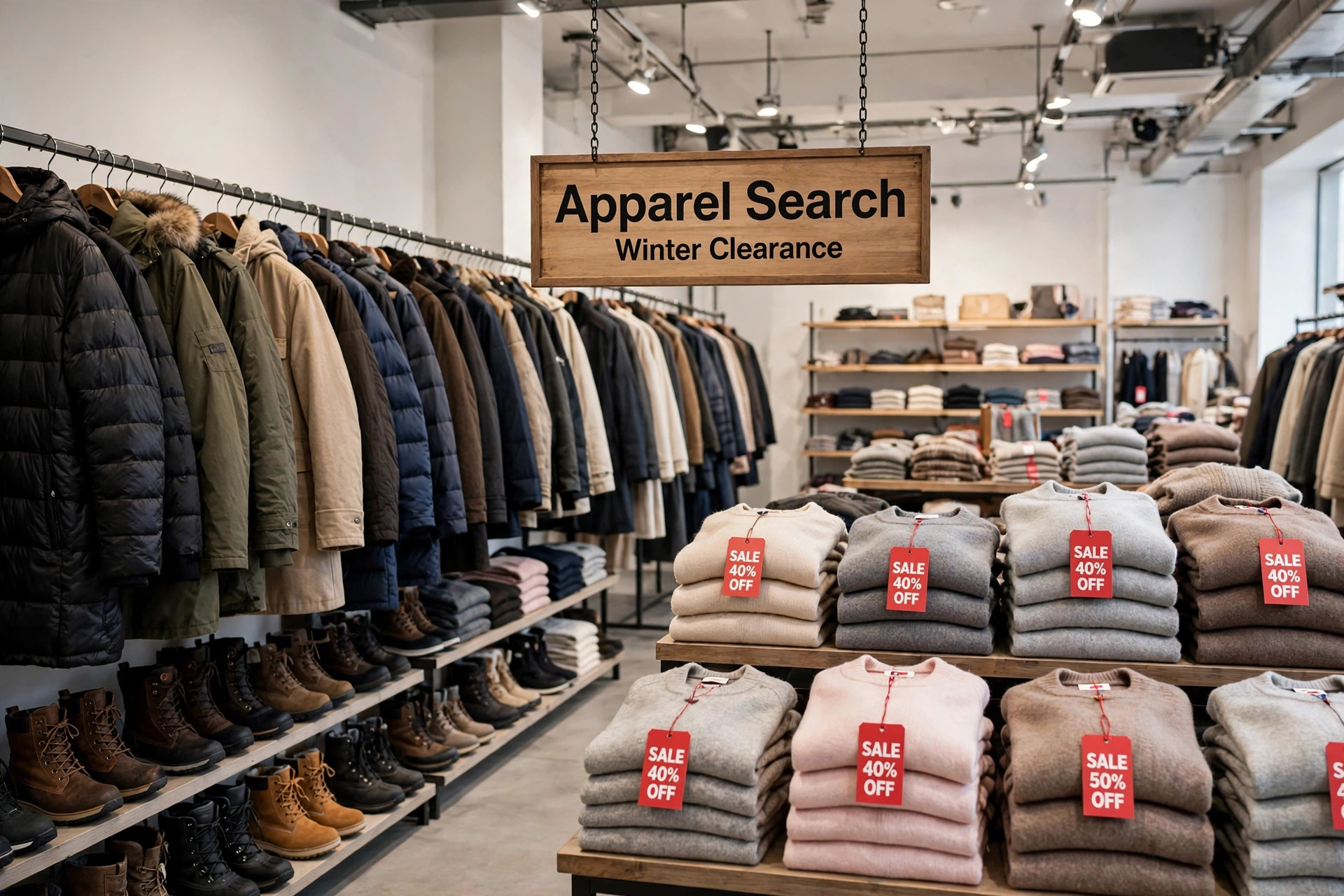
The best fashion shopping day of the year is not Black Friday. It is the quiet week that follows Christmas, when retailers stop advertising to gift-buyers and start negotiating with reality: winter stock that does not sell by January becomes a problem, and it is priced like one. Coats, boots, cashmere and knitwear — the most expensive categories in the wardrobe — reach their lowest prices of the year between December 26 and the middle of January. This guide, part of our Holiday Fashion & Gift Shopping Guide, is the strategy for that week: exchanges first, then the buy list, then the traps.
Step One: Returns and Exchanges Come First
Before buying anything, process the season's misses. Holiday purchases usually carry extended return windows — many retailers stretch deadlines into January for December gifts — but windows close, receipts matter, and the size or color you actually need sells out while the wrong one sits in its bag. Our consumer guide to final sale and returns explains the policies in plain language, including what "final sale" legally means for the gift you received. Exchange first, shop second: the exchange rack is the one part of the clearance that is reserved for you.
Why Winter Clothing Is Cheapest Now
Retail runs on a calendar that ignores the weather. Spring deliveries arrive in January whether or not the snow has melted, and every unsold parka is floor space and tied-up money. So the discounts deepen in steps — a further cut after Christmas, another around New Year, and the deepest markdowns in mid-January on whatever remains. The trade is always the same: price against selection. Shop early in the clearance for the coat you need in your size; shop late for the speculative bargains you can afford to lose.
What to Buy
- The winter coat. The single best clearance purchase in fashion. A quality coat bought at 50-70 percent off and worn for eight winters has a cost per wear measured in cents — the math is worked through in our cost per wear guide.
- Boots. Leather winter boots are expensive, durable and deeply discounted now. Buy the classic style, not the trend of the season just ending.
- Cashmere and knitwear. Sweaters are the clearance's home ground. Check for pilling, pulled threads and stretched cuffs — display handling is the one risk — and buy the neutral colors that were too expensive in November.
- Next year's holiday stock. The contrarian shelf: ugly Christmas sweaters, matching family pajamas, party dresses and gift wrap, all at their cheapest twelve months before you need them. Our ugly Christmas sweater guide and matching family pajamas guide are next December's reading, available at this December's prices.
- Gift-closet staples. Scarves, gloves and good socks bought on clearance become next year's Secret Santa and stocking gifts. A small, labeled box in a closet is how organized gift-givers always look calm in December.
The Traps: Final Sale and the Sizing Gamble
Clearance pricing buys its depth with risk, and the risk has a name: final sale. A final-sale garment cannot be returned, which converts every uncertainty into a permanent decision. Buy final sale only in categories where your size is certain — the brand you already wear, the knit with forgiving fit, the accessory with no size at all. Never gamble final sale on tailored clothing, shoes in an untried brand, or a gift. Our final sale and returns guide covers the fine print before you meet it at a register. The second trap is the clearance trance itself — buying a thing because it is 70 percent off rather than because it earns a place in the wardrobe. A bargain worn twice is expensive at any discount; cost per wear, not percentage off, is the honest scoreboard.
The January List
Walk in with a written list built from your own wardrobe's gaps — the coat, the boots, the black sweater — and a hard rule: anything not on the list must beat everything on it. Clearance rewards the prepared and taxes the browsing.
Shop Winter Clearance Clothing on Amazon
Ready to shop? Product links are kept in one place on the Apparel Search shopping guide:
Shop Clothing on AmazonThis link opens the Apparel Search shopping guide for Amazon, where the product links are kept in one place.
Common Questions
When do post-Christmas clothing sales start and end?
They start December 26 and deepen in steps through January: an initial cut right after Christmas, further markdowns around New Year, and the deepest reductions in mid-January on remaining stock. Selection shrinks as prices fall, so needed items should be bought early in the clearance.
What clothing is cheapest after Christmas?
Winter categories: coats, boots, cashmere and knitwear, cold-weather accessories — plus holiday-specific items like Christmas sweaters and family pajamas, which are discounted hardest of all because their next selling season is a year away.
Should I buy final-sale clothing on clearance?
Only when the fit is a certainty: brands you already wear, forgiving knits, or size-free accessories. Final sale means no returns, so untried tailored clothing, new shoe brands and gifts are poor final-sale candidates at any discount.
Is it worth buying next year's holiday clothes now?
Yes — it is the clearance's best-kept secret. Ugly sweaters, matching pajamas and party pieces bought in January cost a fraction of their November prices, sizes are guessable a year out for adults, and they wait in a closet until December.
Back to the Holiday Fashion & Gift Shopping Guide
The full season in one plan — sales events, party outfits, gift guides and clearance strategy.