Are Fashion Questions & Answers
Questions that begin with “are” — are disco pants in style, are you fashionable, are you stylish — and how to answer them straight.
The word “are” is typically the second person singular present — and the first, second and third person plural present — of the verb be. It is often used to help form a question. For example: are you really going to wear that outfit today? Fashion questions that begin with “are” ask for a judgment — is something in style, is something true of a garment, or does something say something about the person wearing it? This page collects that family of questions and works through how to answer them honestly.
Fashion Questions by Word
What “Are” Questions Ask
An “are” question about fashion usually does one of three jobs. It can test a trend: are disco pants in style, are skinny jeans over, are hats coming back? It can test a fact about a garment: are cardigans always sweaters, are all silk ties really silk? Or it can test the wearer: are you fashionable, are you stylish, are you happy in what you are wearing — and the playful version, are your pants uglier than mine? Each kind has a different kind of answer. Trend questions change with the season, garment facts can be settled by looking at how a thing is made, and wearer questions are matters of judgment rather than fact.
That is also why “are” questions can sound blunt. Are you really going to wear that outfit today? is rarely asked out of curiosity about grammar. The questions below take the common ones at face value and answer them straight.
Are Disco Pants in Style?
This is the classic “are” fashion question, because disco pants sit exactly on the border between fashion and costume. Disco fashion was the rage in the late 1970s: discotheque-goers wore expensive, extravagant clothes for nights out — sheer, flowing Halston dresses for women, and shiny polyester Qiana shirts for men with pointy collars worn open at the chest, often with double-knit polyester shirt jackets and matching trousers, the leisure suit. Necklaces and medallions were common accessories, and the film Saturday Night Fever preserves the whole look.
Disco itself — the music of funk, soul, pop, salsa and psychedelic elements that filled those clubs — fell hard in the 1980s, when jokes about disco music, disco fashion and the lifestyle were everywhere and chants rang out that disco was dead. Never say never: disco pants later returned to retail, offered in as many as 23 colors in one revival. The real question is never whether disco pants exist in stores — revivals keep putting them there — but how much they are being embraced, by whom, and for what occasion. Worn deliberately for a night out they read as a knowing revival; worn as everyday trousers they read as a costume. That difference, not the calendar, is what decides whether they are “in style” for you.
Are You Fashionable, or Are You Stylish?
These two questions sound alike and are not. Are you fashionable? asks whether your clothes are in step with what is current — the silhouettes, colors and pieces being shown and sold this season. Are you stylish? asks whether you put clothes together well and wear them with intent, which can be true in entirely unfashionable clothes and false in a head-to-toe current outfit. A vintage suit worn with care is stylish without being fashionable; a pile of this season's trends worn at once can be fashionable without being stylish.
The third question in the family — are you happy? — is the one that settles arguments. Clothes you feel good in get worn, get worn well, and tend to look better than a technically correct outfit you keep adjusting and doubting. And are you crazy — usually asked about a bold outfit — mostly means the outfit is outside the asker's comfort zone, which says more about the asker than about the clothes. Fashion history is largely a record of outfits that were called crazy first and copied later.
How to Answer an “Are” Question
Start by sorting the question. If it is a garment fact, check the garment: what it is made of, how it is constructed and what it is for settle questions like the cardigan one — traditionally cardigans are knitted or woven and so a type of sweater, while modern versions in lightweight fabrics act more like jackets or cover-ups. If it is a trend question, check the cycle: most styles move from new, to everywhere, to dated, to revived, and the honest answer names the stage rather than pretending a style is simply in or out forever. If it is a wearer question, answer for the context — the same outfit can be right for a fashion event and wrong for a conservative office, and both answers can be honest.
Above all, treat “are” questions as the start of a conversation rather than a verdict. The pages linked at the top of this one collect the questions that begin with the other question words — who, what, where and is — and the full Fashion Questions & Answers index gathers the answered questions from across the site, including the difference questions and the how-to questions, in one place.
Common Questions
Are disco pants in style?
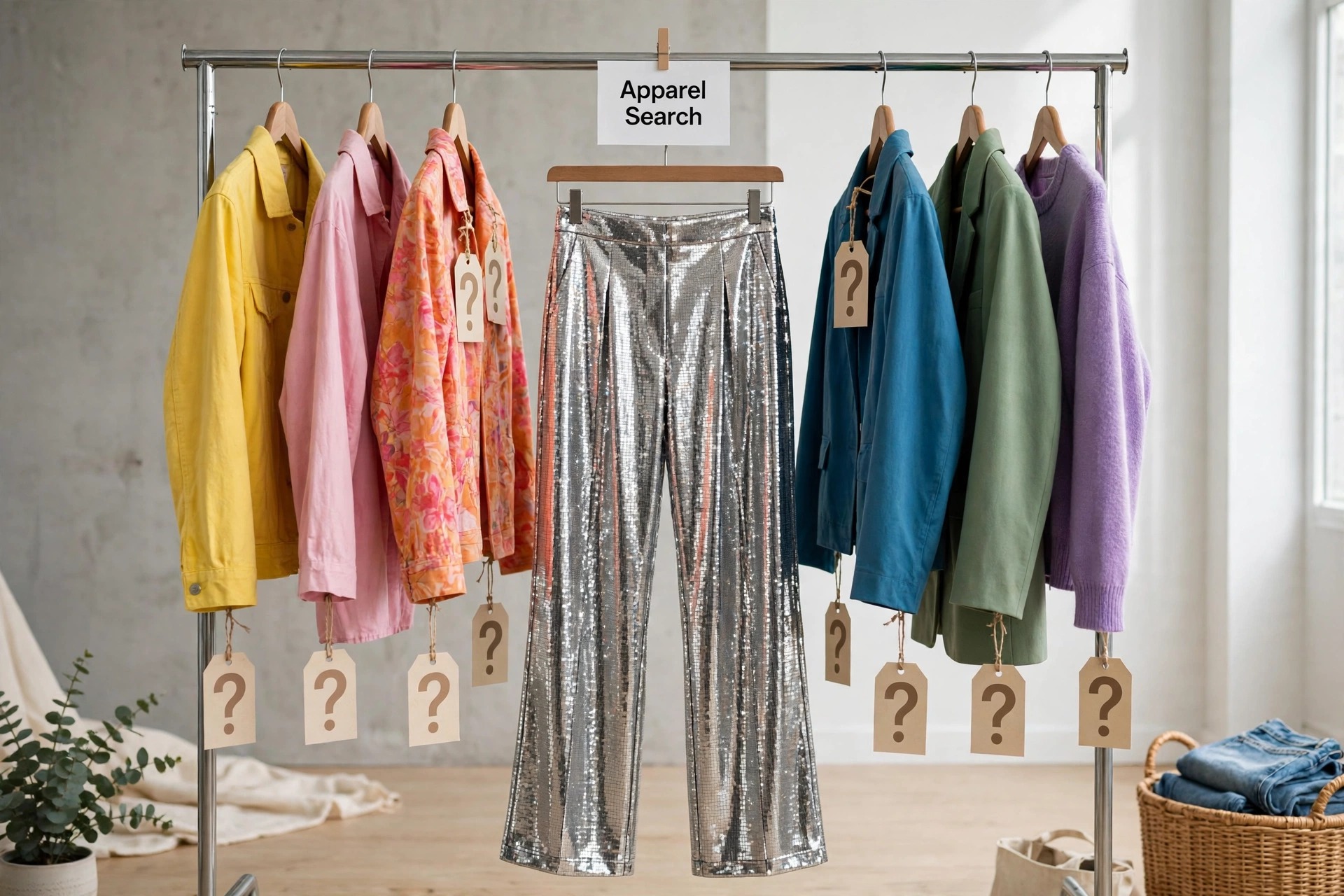
They come and go. Disco pants were part of the disco fashion that was the rage in the late 1970s, the 1980s brought jokes about disco and chants that disco was dead, and yet disco pants have since returned to retail more than once — in one revival they were offered in 23 colors. So the honest answer is that shiny disco-style pants are a recurring revival item: in style when the revival is running and you wear them with confidence, and a costume-like statement the rest of the time.
Are cardigans always sweaters?
No. Traditionally, cardigans are knitted or woven, which makes them a type of sweater. Modern fashion has expanded the idea, though: cardigans now also come in lightweight fabrics that work more like jackets or cover-ups, and in materials ranging from wool, cotton, cashmere and acrylic blends to silk and polyester. A cardigan is defined by its open front more than by being a sweater.
Are you fashionable if you follow every trend?
Not necessarily. Being fashionable means dressing in step with what is current, while being stylish means expressing a personal look well, whether or not it follows the current trend. Chasing every trend can leave a wardrobe incoherent and unworn; most well-dressed people mix a few current pieces into a style that already suits them, and they look happier in their clothes for it.
More to Explore
If You Have More Questions About Fashion
You may want to try these sections here on Apparel Search: