Women's Fashion Brands on eBay
Named labels at auction — telling main lines from diffusion and outlet ranges, and pricing against sold listings
Brand names organize women's fashion on eBay, but a name alone says less than buyers assume: most labels sell several ranges — a main line, a diffusion line, an outlet range — at very different quality and price points, all carrying versions of the same famous name. This guide is about reading labels properly: identifying which range a garment belongs to, what its labels, linings and hardware should look like, and how to price any branded piece against what identical pieces have actually sold for, rather than against a fantasy retail figure.
Preparation is worth more than bidding speed in this category. A tape measure, two or three saved searches and a clear sense of the going rate convert a sprawling marketplace into a dependable source, and the notes that follow are arranged in that same sequence.
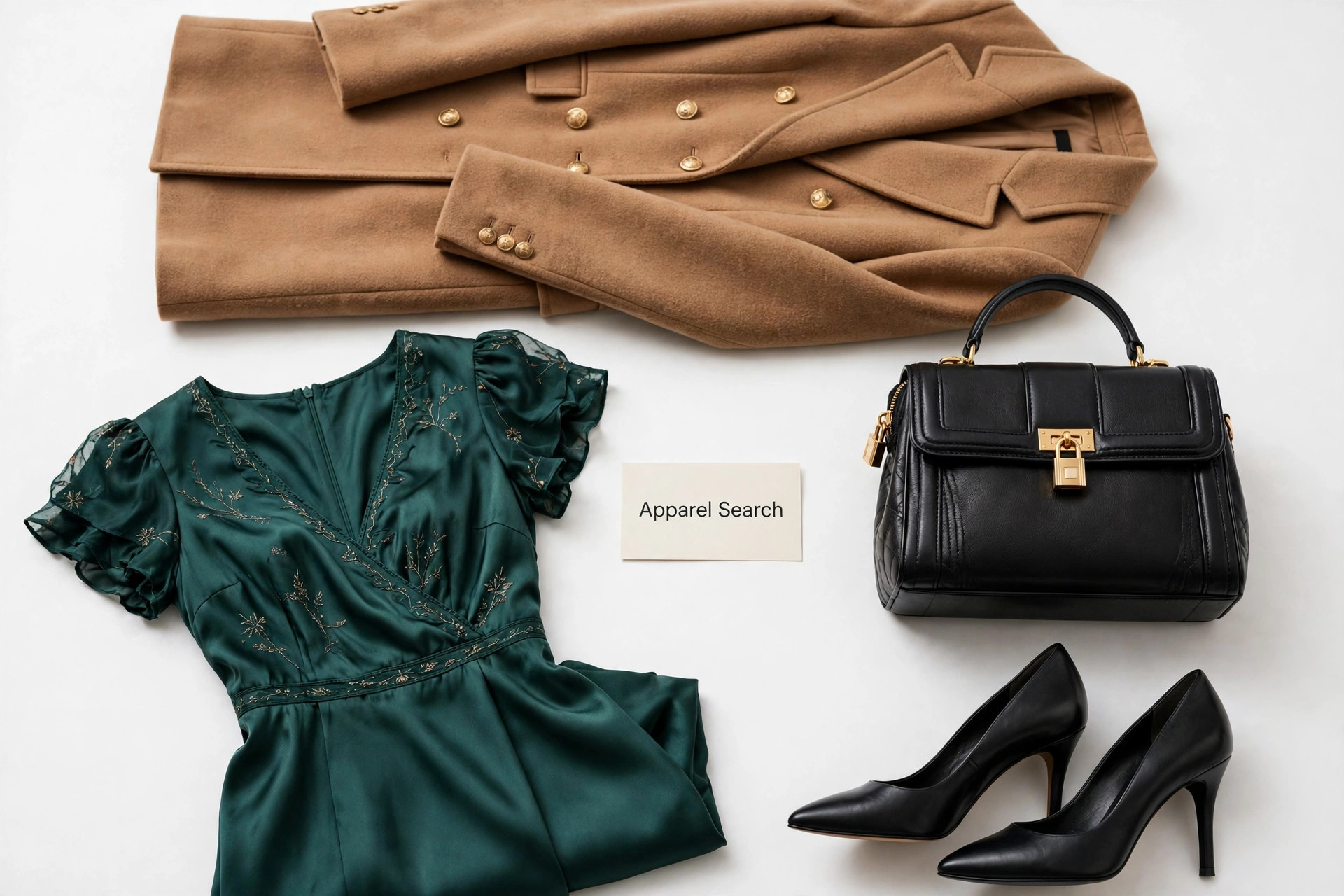
Brand hunting is research-heavy by nature. For current labeled fashion at set prices with standard returns, the Apparel Search Amazon clothing guide collects the Amazon premium and designer departments — the calmer comparison for any auction find below.
Ranges Behind the Names
Listings for women's fashion brands on eBay typically cover main-line designer garments, diffusion and bridge ranges, outlet and store-brand premium lines, high-street label staples, branded handbags, shoes and accessories in the same searches and vintage pieces from named houses. The sellers behind them range from individuals clearing a wardrobe to specialist dealers and outlet accounts, so photography, description depth and condition grading vary widely from one listing to the next. Boutique clear-outs, sample sales and private wardrobes supply the genuine width of the category, each leaving different tells in a listing's photographs and wording. Begin broad, then narrow with the size, color and condition filters; a saved search with alerts catches the short listings that end before a casual browser ever sees them.
Because seller wording is inconsistent, run several searches rather than one: "designer dress women"; "sample sale clothing"; "authentic branded handbag"; "vintage designer women". Vaguely titled and misspelled listings are where quiet bargains hide, since fewer bidders ever find them. Search the label name plus a garment word and a size — name-only searches drown in inspired-by and unbranded lookalike listings. Sort by ending soonest to catch neglected auctions, and compare price plus postage together — a low bid with heavy shipping is seldom the cheapest way to own the garment.
Labels, Linings and Hardware
Fit comes first: each label cuts to its own block, and diffusion ranges often cut younger and closer than the main line of the same house, so a familiar label in an unfamiliar range still needs its measurements checked. Auction garments cannot be tried on, so the flat measurements in the description are the only dependable evidence, and a seller who lists none is worth a message before bidding. On materials, expect silk and fine natural fibers in main lines, full-grain leathers in branded goods, fine wool suiting and engineered synthetics in diffusion ranges. Range shows in the details: main-line garments usually state fiber precisely, line what should be lined, and finish hardware heavily; vague fabric wording on a famous name is itself a caution.
In this category condition moves value more than age does. Authentication and condition are one check, not two — copies often betray themselves in cheap linings and light hardware before the label is even read. Study the photographs at full size, read the returns policy, and judge the seller's feedback by the pattern that matters — description accuracy — rather than the headline score alone. A garment described as new with tags should show those tags in a photograph; if it does not, ask before bidding.
Pricing Against Sold History
Timing shapes the price. Sample-sale stock surfaces after fashion weeks and at boutique season ends, when genuine branded volume briefly outnumbers everything else in the category. Completed listings are the price book: price any target against sold prices for the same label, range and garment, never against the original retail tag. Fix a maximum that includes postage, bid it once, and let the automatic bidding do the work — chasing an auction past your ceiling is how a bargain turns into an overpayment. A famous name at a tenth of retail from a brand-new seller using stock photographs is the category's standard trap, and it catches experienced buyers every week.
Common Questions
What should I check first when buying women's fashion brands on eBay?
Measurements and condition. each label cuts to its own block, and diffusion ranges often cut younger and closer than the main line of the same house, so a familiar label in an unfamiliar range still needs its measurements checked. Then confirm the fabric content and read the seller's returns policy before bidding.
Which search phrases find the best women's fashion brands listings?
Try several seller wordings — designer dress women, sample sale clothing, authentic branded handbag — and save the searches so short or mis-titled auctions are caught before they end.
When is the cheapest time to buy women's fashion brands at auction?
Sample-sale stock surfaces after fashion weeks and at boutique season ends, when genuine branded volume briefly outnumbers everything else in the category. Bidding on off-peak endings and setting a firm maximum that includes postage keeps the delivered price down.