Fashion Advice
Apparel Search fashion summary — a short guide to fashion advice.
Most fashion advice ages badly, because it is tied to whatever is fashionable this season. The advice that lasts is about judgement rather than trends: know what you can afford, know what suits you, and do not hand your decisions to whoever shouts loudest online. This summary collects the straightforward version — advice aimed at people who want to dress well without being dressed by an algorithm.
Fashion Advice — Explore & Resources
Six Rules That Outlast Trends
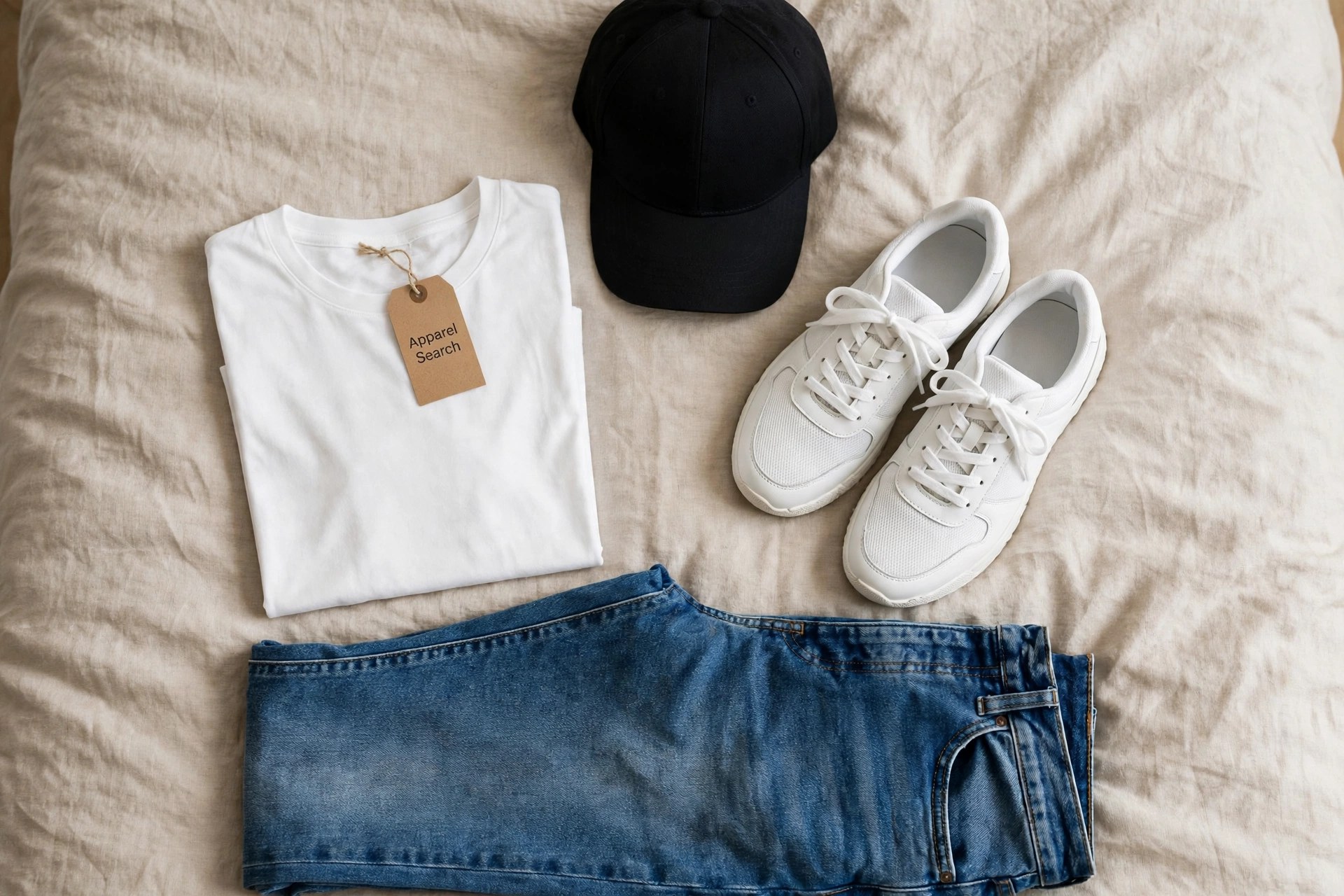
First, do not spend more than you can afford: clothing is a poor use of debt, and a wardrobe built slowly lasts longer than one bought in a panic. Second, dress comfortably — clothes that pinch, ride up or need constant adjusting will stay in the closet no matter how good they looked in the shop. Third, own the basics before the novelties: at least one good pair of jeans, one t-shirt, one pair of sneakers and one baseball cap will carry more days of a real life than any statement piece.
Fourth, dress appropriately for your age — not as a restriction, but because clothes that acknowledge where you are in life tend to look more confident than clothes fighting it. Fifth, do not worry about what other people think; the audience for your outfit is mostly you. Sixth, if you are genuinely not sure about something, ask someone whose judgement you trust and who knows you — the classic version of this rule says to ask your mother.
Why Not Just Follow Influencers?
Fashion influencers can be a source of ideas, and the terminology page linked below explains what the role involves. The problem is delegation: an influencer is paid, gifted or algorithmically rewarded in ways that have nothing to do with your body, your budget or your life. The internet also makes everyone sound like an authority, and a confident presentation is not evidence of good taste. Taking inspiration from many sources and then deciding yourself produces a personal style; copying one person's purchases produces a costume.
Where professional help is genuinely useful, it exists as a profession. Fashion consultants and image consultants advise individuals and companies for a living, and stylists build looks for editorial features, advertising and public appearances. Paying for advice from someone accountable for it is a different proposition from absorbing sponsored suggestions — the fashion stylist summary linked below explains that side of the work.
Advice for Specific Problems
General rules cover most days, but specific problems send people searching: what to wear to an interview, a wedding or a first day at work; how to dress a body that has changed; how to make a small wardrobe look varied. For those, occasion-specific guidance beats philosophy — the fashion tips section linked below collects practical advice by problem. The rule behind the rules still applies: any specific suggestion should be tested against comfort, budget and your own mirror before it is adopted, because advice that ignores those three will not survive contact with your actual life.
Common Questions
What is the most important piece of fashion advice?
Spend within your means and dress comfortably. Clothes that strain a budget or a body get worn less, whatever they look like, and a wardrobe of wearable basics beats a closet of uncomfortable novelties.
Should I follow fashion influencers for style advice?
Use them for ideas, not decisions. An influencer's incentives — sponsorship, gifting, engagement — are not your incentives. Professional consultants and stylists exist for people who want accountable, personal advice.
What basic items should everyone own?
At minimum: one good pair of jeans, one t-shirt, one pair of sneakers and one baseball cap. Those four carry a large share of everyday dressing and pair with almost everything else in a wardrobe.