Fashion YouTube
Apparel Search fashion summary — a short guide to fashion youtube.
YouTube's mission is to give everyone a voice and show them the world — and part of that includes enlightening the world with fashion videos. For clothing and style, the platform became the place where anyone can publish, watch and argue about fashion on screen.
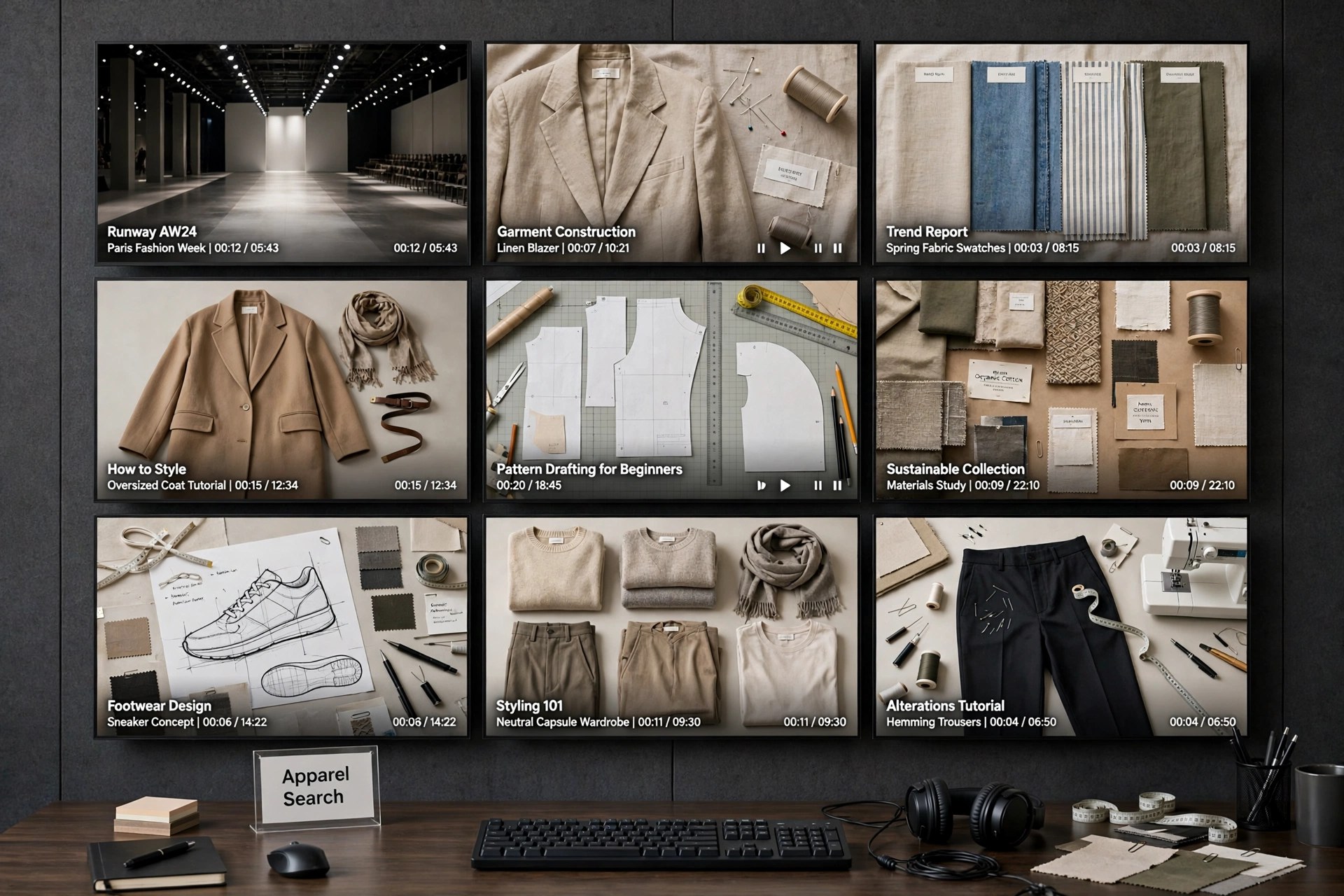
Fashion YouTube — Explore & Resources
The Platform: 2005 to Google
YouTube is an American video-sharing website headquartered in San Bruno, California. The service was created in February 2005 and purchased by Google in November 2006 for 1.65 billion dollars — a price that sounded crazy at the time and turned out to be a fantastic deal.
YouTube allows users to upload, view, rate, share, add to favourites, report and comment on videos, and subscribe to other users. Most content is uploaded by individuals, although fashion companies upload videos too. The available content spans fashion video clips, television shows, music videos, short and documentary films, audio recordings, movie trailers, live streams, video blogging and educational videos.
What Fashion Does on YouTube
People interested in clothing and style use the service to upload fashion-relevant videos or comment on videos others have uploaded. Fashion designers may use the system to upload fashion week videos; fashion brands upload marketing campaigns; fashion companies upload information about products and services; and consumers upload product reviews and outfit-of-the-day — OOTD — videos.
The platform provides a wide range of videos relevant to clothing, shoes, fashion accessories and beauty products, and anyone designing their own fashion can find large numbers of DIY — do it yourself — projects. The channels, influencers and video ideas summaries linked from this page divide that activity by its homes, its people and its formats.
YouTube as Fashion's Archive
One of the platform's least planned gifts to fashion is permanence. A runway show once vanished the moment it ended, surviving in photographs and memory; uploaded, it can be watched decades later, alongside the documentaries, interviews and advertisements that surrounded it. Students use that archive to study designers' early work, journalists use it to check what a brand actually showed in a given season, and designers themselves use it — revivals are often researched on the platform that also promotes them. The archive has the usual archival flaw: it preserves what was uploaded, not what mattered, and fashion's filmed record skews toward the famous and the recent. Even so, no previous generation of fashion followers could summon a 1960s couture show, a designer's first interview and a tutorial on reproducing the look, onto one screen in one minute. YouTube's mission statement speaks of giving everyone a voice; for fashion it also, incidentally, gave the past a voice — and the summaries linked here map the present-day activity that archive now sits beneath.
Common Questions
When was YouTube created, and who bought it?
YouTube was created in February 2005, headquartered in San Bruno, California, and Google purchased it in November 2006 for 1.65 billion dollars.
What can users do on YouTube?
Upload, view, rate, share, add to favourites, report and comment on videos, and subscribe to other users — most content is uploaded by individuals, with companies publishing as well.
How does the fashion industry use YouTube?
Designers upload fashion week videos, brands upload marketing campaigns, companies upload product and service information, and consumers post reviews and outfit-of-the-day videos.