Getting Started — No Shopping Required
Your First Pickleball Game: What to Wear
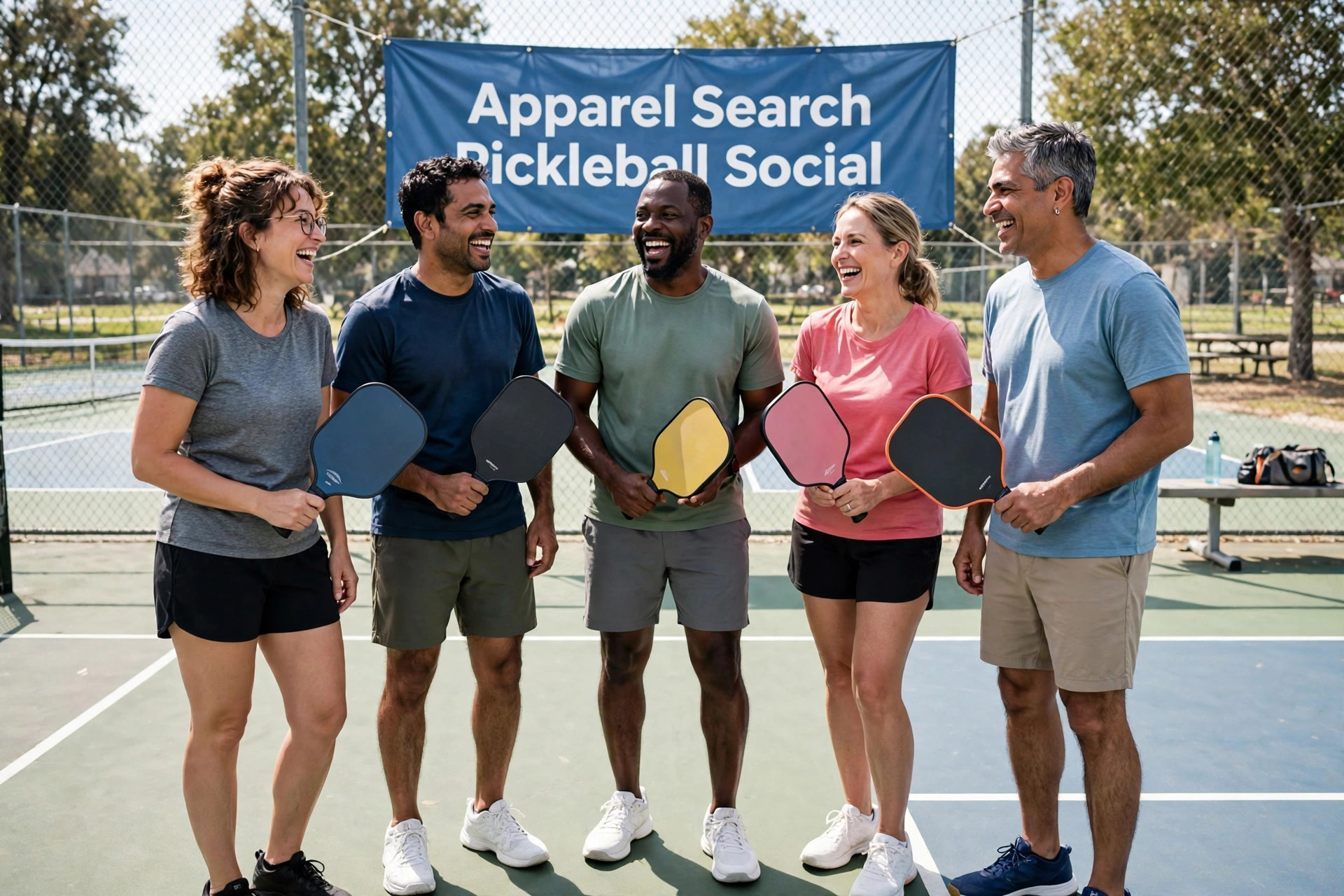
Somebody has invited you to play pickleball, the game is this week, and your entire preparation budget is the contents of your own drawers. Good news: that is exactly how most players start, and it works. Pickleball asks for athletic clothes that move, shoes that will not roll sideways, and nothing that makes you self-conscious in front of new people. This guide assembles a first-game outfit from a normal wardrobe, explains the one item worth borrowing or buying before anything else, and lists what to purchase later, in order, if the game hooks you — as it tends to.
Bring a paddle if you have one; most clubs and community courts lend them, and many sell nothing at all, which tells you something about the culture. The dress code of the sport is similarly welcoming: clean, comfortable athletic clothing is the whole requirement at most venues, and the detailed guides in this series — dresses, shoes, sun protection — are for your fifth game, not your first.
The Outfit — From Your Own Drawers
The First-Game Outfit, Piece by Piece
Top: any athletic tee, training top or polo you can raise both arms in without the hem climbing. A breathable synthetic is ideal; a cotton tee is acceptable for one social session, though it will hold sweat by game three — the women’s fitness apparel guide shows the sort of tops that end up as permanent court wear. Bottom: shorts, a skort, leggings or athletic pants with enough stretch for a wide side step, and ideally a pocket — you will be handed a second ball constantly, and a pocket beats a waistband tuck. Women who own a tennis skirt or athletic dress already own a pickleball outfit.
Support and socks: wear the sports bra you would run in, not the one you would lounge in; the game’s lunges arrive without warning. Ordinary cushioned athletic socks are fine; thin dress or fashion socks are a blister plan. Layers: bring a light jacket or sweatshirt for between games and the trip home — beginners spend real time watching and learning the rotation, and cooling down on the bench is where new players get cold.
The Exception — Shoes Are Different
Shoes: The One Thing to Get Right on Day One
Everything above can be improvised except the shoes, and even here the rule is simple rather than expensive: wear the flattest, widest, most court-like shoes you own. Tennis shoes are perfect. Old cross-trainers pass. What to avoid is the shoe most beginners reach for — the cushioned running shoe, tall and narrow and built to tip forward, on a court where every stop is sideways. If your only athletic shoes are runners, play your first game gently, borrow court shoes if the club has loaners, and put a proper pair at the top of the list if you return. The women’s shoe guide in this series explains fit and construction in full when that day comes.
Beyond clothing, a first-game kit bag is short: water, a small towel, sunscreen for outdoor courts, and a hat or visor if the sun is strong — sunglasses with a strap survive lunges better than sunglasses without one. Leave jewellery that swings, watches with hard cases on the paddle wrist, and anything you would mourn losing in a gym bag on the fence.
If It Hooks You — A Sensible Order
What to Buy Later, in Order
Players who stay tend to upgrade in the order the game teaches them. First, court shoes — for safety, before style. Second, a paddle of your own, once you know your grip and weight preference. Third, real court clothing: moisture-wicking tops and bottoms with a ball pocket, or a pickleball dress if you prefer one piece; the hub guide in this series maps the whole wardrobe, and men will find their version in the men’s guide in the row below. Fourth, sun equipment for outdoor regulars: a UPF top, a visor that survives a full morning, and the habits in the sun protection guide.
One last piece of first-game advice, free of charge: wear the outfit on a short walk or a few jumping jacks at home before you leave. If anything rides, binds, chafes or needs adjusting in the hallway, it will do it twice as much by the third game — and pickleball is too friendly a sport to spend it tugging at your clothes.
Good to Know
Common Questions
What do I wear to play pickleball for the first time?
Athletic clothes you already own: a tee, training top or polo you can raise both arms in, shorts, a skort, leggings or athletic pants with stretch and ideally a pocket, a supportive sports bra, cushioned athletic socks, and the flattest, widest court-style shoes you have. Bring a light layer for between games, water, and sunscreen outdoors.
Can I wear running shoes to my first game?
For one gentle introductory session, many people do — but play carefully, because running shoes are tall and narrow and pickleball stops are sideways. If you can borrow tennis or court shoes, do. Running shoes are the first thing to replace if you play again; court shoes are the sport’s one genuine equipment-level clothing purchase.
Do I need to buy a paddle for my first game?
Usually not. Most clubs, community courts and organised social sessions lend paddles to new players, and the friend who invited you very likely has a spare. Play a few sessions before buying: grip size and paddle weight are personal, and an hour of borrowing teaches you more than an hour of reading specifications.
Is there a dress code for pickleball?
At most community courts and social games, the only code is clean, comfortable athletic clothing and non-marking court shoes. Some private clubs borrow tennis etiquette — collared shirts, no denim, mostly-white clothing in a few traditional cases — so a quick check of the venue’s page or a question to your host covers it.
More to Explore
Search Apparel Search