Hair Care Guide
You have great hair — let’s try to keep it that way: cleaning, conditioning, styling, color and maintenance, explained.
You have great hair, let’s try to keep it that way. Hair care is an overall term for the parts of hygiene and cosmetology involving the hair on the human head. Hair care differs according to a person’s hair type and according to the various processes that can be applied to hair — which is why this guide is organized the way hair itself works: how it grows, how to wash and condition it, and then the full range of cleaning, styling, cutting, coloring, treatments, styles, accessories and maintenance that make up a complete routine.
Hair Care Guides
How Hair Grows, and Why the Shaft Cannot Heal
Care of the hair and care of the scalp skin may appear separate, but they are actually intertwined because hair grows from beneath the skin. The living parts of hair — the hair follicle, hair root, root sheath and sebaceous gland — are beneath the skin, while the actual hair shaft which emerges (the cuticle which covers the cortex and medulla) has no living processes. Damage or changes made to the visible hair shaft cannot be repaired by a biological process, though much can be done to manage hair and ensure that the cuticle remains intact.
A few things to consider:
- Clean your hair with shampoo & conditioner
- Maintain a healthy diet
- Don’t overdo your time in the sun
- Give your hair a trim when needed
Topics Covered in Hair Care
- Hair Gel
- Hair Nets
- Hair Powder
- Hair Shampoo
- Hair Spray
- Hair Styles
- Hair Styling Accessories
- Hair Styling Products
- Hair Styling Tools
- Hair Stylists
- Hair Treatments
- Scalp Treatments
- Hair Curlers
- Hair Curling Irons
- Hair Dryers
Washing: Shampoo & Conditioner
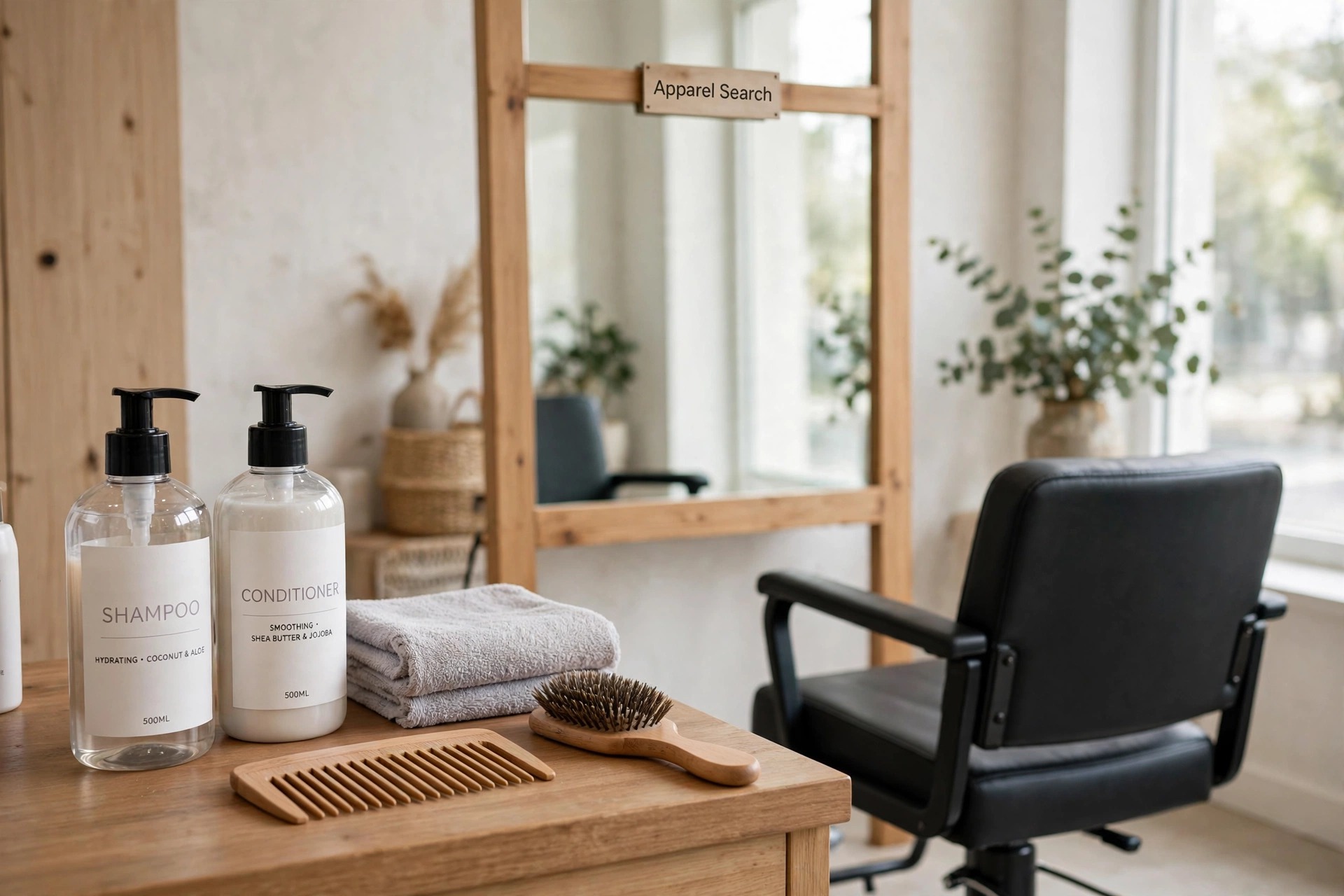
To combat the appearance of dirty hair, and to remove actual dirt and other contaminants and external substances like sweat, the hair may be washed. Often hair is washed as part of a shower or bathing, with a specialized soap called shampoo. Freshly shampooed hair can feel tangled or rough, and hair which is left to dry after a shampoo only can be excessively dry and coarse. To smooth the hair, conditioner is often used. Conditioners may employ ingredients of an acidic nature to balance the hair and scalp pH. Many modern conditioners also contain plant oils or synthetic ingredients such as plastics to coat the hair shaft and smooth it out. Acidic rinses or chemical conditioners can help with hair detangling and manageability, which helps prevent damage. You may also want to visit the Amazon beauty products page.
Hair Care: A Comprehensive Guide
Hair care encompasses a wide range of practices and products dedicated to maintaining and enhancing the health, appearance and styling of a person’s hair. This holistic approach includes various subcategories, each with its own methods, products and techniques. Here is a breakdown of the key aspects of hair care:
1. Hair Cleaning
Shampooing is the foundation of hair care: cleansing the scalp and hair to remove dirt, oil and product buildup. There are various shampoos tailored to different hair types, such as dry, oily, curly or color-treated hair. Conditioning hydrates and detangles hair, leaving it soft and manageable; deep conditioners and leave-in treatments offer extra nourishment and protection. Beyond traditional shampoos, alternatives like co-washing (using conditioner only) and sulfate-free cleansing are popular options for those seeking gentler cleansing methods.
2. Hair Styling
Hair styling products include hair gels, creams, mousses, serums and sprays, used to style hair, provide hold and add texture; they cater to various styling needs, from sleek and polished to tousled and voluminous. Heat styling tools such as flat irons, curling irons and hairdryers are commonly used for shaping and styling hair — but it is crucial to use heat protectant products to prevent damage.
3. Hair Cutting Techniques
Haircuts by professional hairstylists involve techniques like layering, texturizing and precision cutting to achieve specific styles; for home haircuts, techniques range from basic trims to more advanced styles. Bangs and fringes require precision to frame the face and create desired shapes. Razor cutting adds texture and movement to hair and is often used for creating soft, flowing styles.
4. Hair Color and Dyeing
Hair coloring can be done to cover gray hair, change a person’s natural color, or experiment with vibrant hues; techniques include single-process color, highlights, balayage and more. Temporary color — temporary hair dyes such as sprays or wash-out colors — provides a fun way to experiment with new looks without a long-term commitment. The dedicated Hair Coloring Dyes guide linked at the top of this page goes deeper on color types and levels.
5. Hair Treatments and Masks
Hair masks are deep-conditioning treatments designed to nourish and repair hair, addressing issues like dryness, frizz or damage. Scalp treatments focus on the health of the scalp, helping with issues like dandruff, dryness or oiliness — the scalp side of the same intertwined system described above.
6. Hair Styles and Trends
Hairstyles encompass a vast array of options, including updos, braids, ponytails, buns and more; trends often change seasonally, and social media plays a significant role in popularizing new styles. Hair length can range from short pixie cuts to long, flowing locks, and the choice of length can dramatically impact a person’s appearance and styling options. Hair texture can be straight, wavy, curly or coiled, with styling techniques and products tailored to each type.
7. Hair Accessories
Hair clips and pins — accessories like bobby pins, barrettes and hairpins — are used for securing hairstyles and adding decorative elements. Headbands and hairbands can be functional, keeping hair out of the face, or purely decorative, complementing a style.
8. Hair Maintenance
Regular brushing and combing promote healthy hair and help distribute natural oils from the scalp. Establishing a consistent haircare routine that includes cleansing, conditioning and styling is essential for maintaining healthy and manageable hair. Protection matters too: protecting hair from UV rays, pollution and extreme weather conditions is crucial for preserving its health and appearance.
In summary, hair care is a multifaceted domain that encompasses a wide range of practices, products and techniques. It allows individuals to express their personality, creativity and style while ensuring their hair remains healthy and vibrant. Whether you are interested in a trendy hairstyle, experimenting with color, or simply maintaining your hair’s health, understanding the various facets of hair care is essential for achieving your desired look. If you want to have long, pretty hair, make sure to take good care of it with quality hair products. Don’t forget to visit the beauty tips section for inspiring ideas — and if you are eager to shop for beauty care products, learn about the top beauty product brands and the best beauty product stores to find what you need.
Gentle on hair: see the Scrunchie Guide for the fabric hair tie that reduces pulling and breakage.
Photos


Common Questions
Why can damaged hair not repair itself?
The visible hair shaft has no living processes: the living parts of hair (the follicle, root, root sheath and sebaceous gland) sit beneath the skin, while the shaft that emerges is the cuticle covering the cortex and medulla. Damage or changes made to that shaft cannot be repaired by a biological process, so the practical goal of hair care is to manage hair well and keep the cuticle intact.
What are the basics of looking after hair?
Four considerations cover the foundation: clean your hair with shampoo and conditioner, maintain a healthy diet, do not overdo your time in the sun, and give your hair a trim when needed. Beyond that, a consistent routine of cleansing, conditioning and styling, matched to your hair type, keeps hair healthy and manageable.
What is the difference between shampooing and conditioning?
Shampooing washes dirt, sweat and other contaminants out of the hair. Hair left to dry after shampoo alone can be excessively dry and coarse, so conditioner is used to smooth it: acidic ingredients help balance the hair and scalp pH, coatings smooth the shaft, and acidic rinses or chemical conditioners help with detangling and manageability, which prevents damage.