The Codes Explained
One Building, Several Different Dress Codes
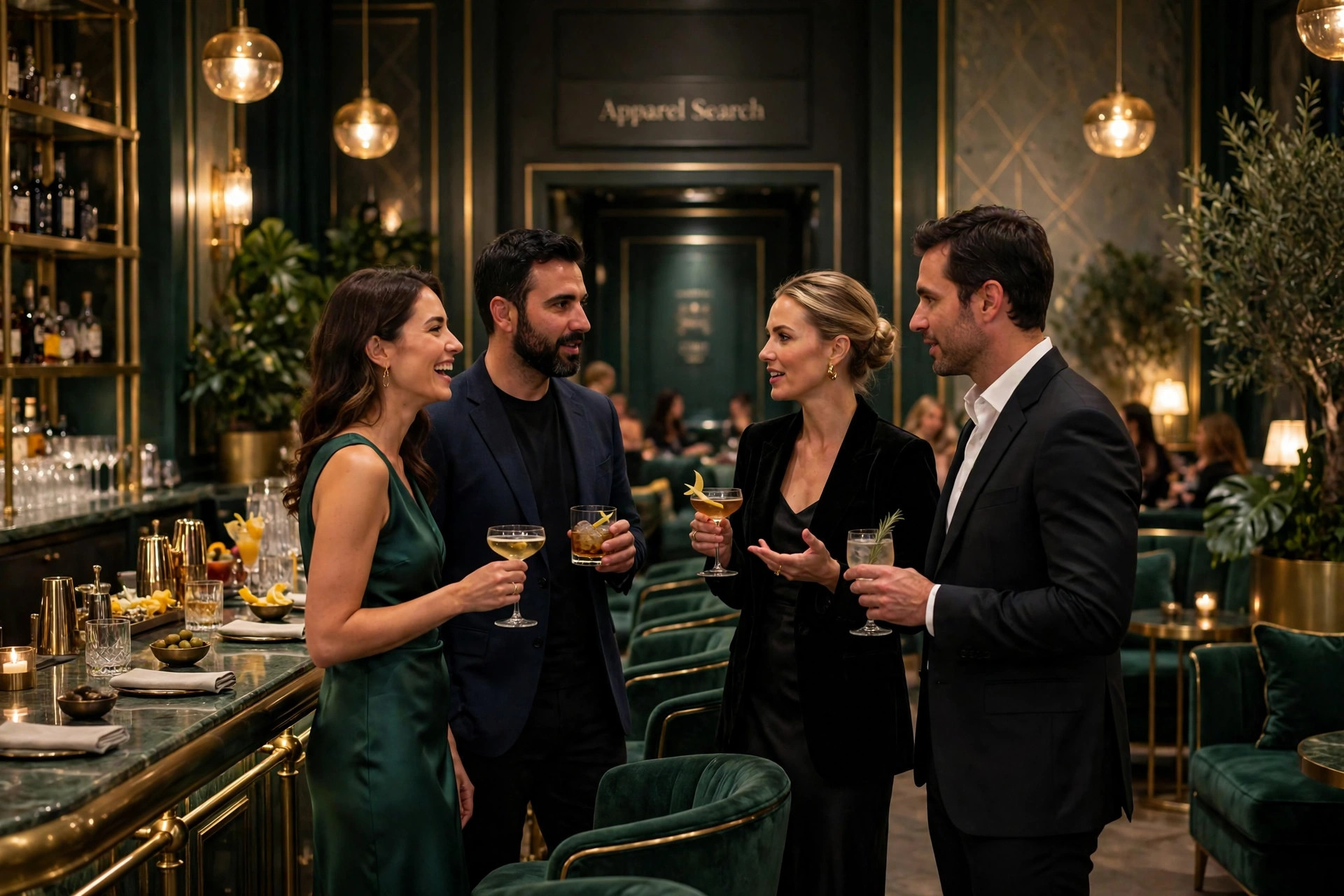
A casino is not one room with one rule. The main floor, an upscale restaurant inside the same building, a lounge bar and a private room can each expect something different, and the same venue usually expects more in the evening than it does in the afternoon. This guide is purely a clothing guide: it explains how those dress codes work, how to read them before you go, and what to wear at each level — with separate outfit pages for women and men.
There is no single universal casino code. Some venues publish a short list of prohibited items and leave the rest to judgement; others state a named code — smart casual, cocktail, or jacket required — for particular rooms or hours. The safest approach is always the same: check the venue’s own published guidance for the specific room and time you plan to visit, then dress one small step above the minimum you find. Being slightly overdressed in a lounge is unremarkable; being turned away at a door is an evening spoiled over a pair of shoes.
Search Apparel Search
Venue by Venue
How the Expectation Changes Room by Room
The main floor
The main floor is normally the most relaxed part of the building, especially during the day. Clean, complete casual clothing is the usual baseline: proper trousers, chinos or dark jeans, a collared shirt or a neat top, and closed shoes. Even here, the prohibited list below applies — relaxed has never meant beachwear, sportswear or swimwear, at any hour.
An upscale restaurant or lounge bar
Dining rooms and cocktail lounges inside a casino usually set the highest everyday standard in the building — typically smart casual at lunch and something closer to cocktail dress in the evening. This is the room where a blazer, a cocktail dress or tailored trousers earn their place, and where trainers, shorts and caps are most likely to be refused, whatever the floor outside allows.
A private room or a gala evening
Private rooms, hosted evenings and charity galas follow the invitation, not the building. The wording is usually explicit — cocktail, black tie optional, or black tie — and it should be taken literally. Our dress codes compared guide sets those named codes side by side if the wording on an invitation is unfamiliar.
Day and evening shift every one of these bands. An outfit that passes comfortably at two in the afternoon — neat denim, a polo shirt, clean loafers — may fall short in the same room at nine at night, when the lighting, the crowd and the stated code all move up a level. When a visit spans both, dress for the evening.
The Ladder
The Dress-Code Ladder, Applied to Casinos
| Code level | Women | Men |
|---|---|---|
| Casual | Neat top or knit with tailored trousers, a casual midi dress, or dark jeans; flat closed shoes or clean loafers | Dark jeans or chinos, a polo or collared shirt, clean loafers or neat minimal trainers where allowed |
| Smart casual | Tailored trousers or a skirt with a blouse, a smart jumpsuit, or a day-to-evening dress; a blazer or fine knit layer | Chinos or tailored trousers, an open-collared shirt, an unstructured blazer, suede or leather shoes |
| Cocktail | A cocktail dress, an elegant jumpsuit, or dressy separates in an evening fabric; heeled shoes or dressy flats | A suit without a tie, or tailored trousers with a blazer and dress shirt; polished dress shoes |
| Black tie | A floor-length gown, or a formal cocktail dress in a luxe fabric for black tie optional; evening shoes and a clutch | A tuxedo with a bow tie and patent or highly polished black shoes; a dark suit only where the invitation says optional |
The ladder works because each rung keeps the silhouette of the one below and upgrades the fabric, the finish and the shoes. Our smart casual guide covers the middle rung in depth, and the business casual outfits hub is a useful neighbour — the neat end of work dressing and the neat end of casino dressing overlap a great deal, even though the settings do not.
Turned Away
What Is Commonly Refused at the Door
Published prohibited lists vary, but the same items recur: sportswear and team kit, gym clothing, beachwear and swimwear, flip-flops and pool sliders, ripped or heavily distressed denim, shorts in the evening rooms, sleeveless tops for men in stricter venues, and caps or hoods worn up indoors. Workwear boots and clothing with offensive slogans also appear on many lists. None of this is about fashion snobbery — door staff apply a written list, and arguing the point rarely changes the outcome.
Two practical habits prevent almost every problem. First, keep a change of shoes in mind: footwear is the single most common reason for a refusal, and a pair of loafers or dressy flats solves it. Second, bring a layer. A blazer, a wrap or a fine knit instantly raises a borderline outfit, covers a top that a stricter room might question, and deals with the powerful air conditioning covered on the outfit pages.
Questions
Common Questions
Do all casinos have the same dress code?
No. Codes are set venue by venue and often room by room — the main floor, a restaurant and a private room in the same building can each expect something different, and evenings are usually stricter than afternoons. Always check the published guidance for the specific venue and room you plan to visit.
What is most likely to get someone turned away?
Footwear and sport or beach clothing. Flip-flops, pool sliders, gym wear, team kit, swimwear and ripped denim appear on most published prohibited lists, and shoes are the item door staff check first. A pair of loafers or dressy flats prevents the commonest refusal.
Is smart casual enough for a casino evening?
For the main floor and most lounges, yes — smart casual is the standard evening expectation in the majority of venues. An upscale restaurant, a private room or a gala evening may ask for cocktail dress or black tie instead, so check the wording for the room and event rather than assuming one code covers the whole building.