Children's Boys Shirts Guide
Boys' shirts are the woven tops of the wardrobe: the dress shirts of occasions, the checked and denim shirts of weekends, the school shirts of uniform drawers. Shirts are essential and versatile - a wide range of styles for a wide range of occasions - and this page is the boys' tops hub, linking the polos and tank tops that flank it. This guide covers the woven shirt family itself: what separates a dress shirt from a casual one, and how either is fitted to a boy.
Shop Children's Boys Shirts Now
Shop Children's Boys Shirts on Amazon Shop Children's Boys Shirts on eBayThe Amazon and eBay links on this page are affiliate links. If you make a purchase through them, Apparel Search may earn a commission.
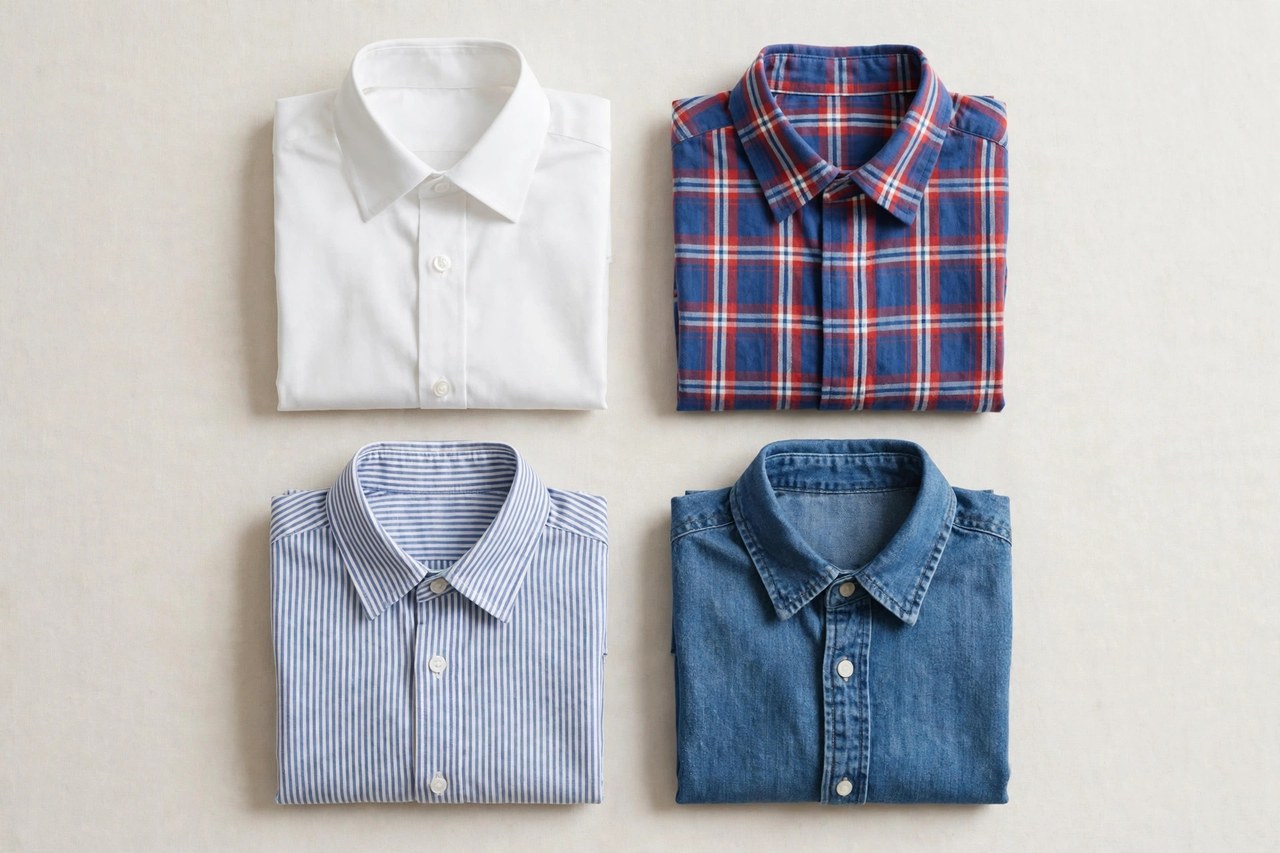
Boys' shirts are the woven tops of the wardrobe: the dress shirts of occasions, the checked and denim shirts of weekends, the school shirts of uniform drawers. Shirts are essential and versatile - a wide range of styles for a wide range of occasions - and this page is the boys' tops hub, linking the polos and tank tops that flank it. This guide covers the woven shirt family itself: what separates a dress shirt from a casual one, and how either is fitted to a boy. This guide covers the styles worth knowing, the fit points that decide comfort, the fabrics and construction that separate a good buy from a regret, and the simple care that makes the garment last.
Styles and Construction
Dress shirts are defined by smoothness and structure: fine cotton or cotton-blend poplin, a collar built to take a tie, single-needle neatness at the seams, and white, pale blue and soft stripes as the working palette. Casual shirts trade structure for character - oxford cloth with its button-down collar is the hinge garment that dresses both ways, flannel brings warmth and pattern, denim and chambray bring workwear ease. Short sleeves move any shirt toward summer and the casual end; long sleeves with a button cuff are the default that serves everywhere.
For children's tops, finishing decides comfort: flat or taped neck seams that do not scratch, shoulder seams that sit on the shoulder rather than sliding down the arm, and prints or appliques that stay smooth against the skin. Hold the garment up and check that side seams hang straight - a twisted seam means the pieces were cut off grain and the top will keep twisting in wear. Reinforced elbows and double-stitched hems earn their keep on school clothes.
Fit and Sizing
Fit is the shirt's whole discipline: collar closing without strain and without a gaping V, shoulders at the shoulder bone, sleeves to the wrist bone, and enough body to tuck and stay tucked through a sitting meal and a reach for a high shelf. Boys' shirting is sold by age and by neck size in the dressier lines; the neck measurement is the honest one once ties enter the picture, and the neckwear guide in this letter assumes a collar that fits.
Fit children's tops by shoulder and length first: the shoulder seam belongs at the shoulder, sleeves should reach the wrist with the arm relaxed, and the hem should cover the waistband of the bottoms it will be worn with, sitting and reaching alike. Leave growing room in the body rather than the neck - a collar that gaps or chokes is wrong at any price. If a top will be layered over another, try it over that layer before deciding.
Wearing and Care
Shirts are the garment where a small effort shows most: a pressed shirt makes a boy look deliberate, and teaching the iron - or choosing the genuinely non-iron fabrics that now perform respectably - is a wardrobe decision every family makes once. Keep the dress shirt washed, hung and ready rather than laundered in a panic the morning of the photograph; the suit guide in this letter builds from exactly that state of readiness.
Wash children's tops inside out in cool or warm water, fasten buttons and zips first, and treat playground and food stains the same day - children's stains set fast because they are rarely rinsed when they happen. Tumble dry low or line dry to protect prints and elastic, and fold knits rather than hanging them so shoulders keep their shape. A named hook or cubby label inside the collar saves more school tops than any fabric technology.
Common Questions
What is the difference between boys' dress shirts and casual shirts?
Fabric, collar and finish: dress shirts use smooth fine weaves like poplin, carry collars built for ties, and stay in white and pale colors; casual shirts use textured weaves - oxford, flannel, denim - with button-down or soft collars and the full range of checks and colors. Oxford cloth is the deliberate middle, dressing up with trousers and down with jeans, which is why it anchors so many boys' wardrobes.
How do you measure a boy for a dress shirt?
Neck circumference where the collar sits, with two fingers of ease, and sleeve length from the center back to the wrist - plus chest if the cut is slim. Dress lines are sold by neck size as boys grow; age sizes serve the younger years. The collar must close for a tie without strain, and the cuff should show just past a jacket sleeve - the two checks a fitting should never skip.
Are non-iron shirts worth it for boys?
For school shirts in constant rotation, yes: modern non-iron and easy-care finishes genuinely reduce the weekly laundry labor, and the small premium repays itself within a term. For the one dress shirt worn at occasions, ordinary fine cotton pressed once is the better garment. Either way, hang shirts straight from the wash and most of the ironing question answers itself.
More in Children's Clothes Guide B
The B letter hub and the guides closest to this one:
Looking for Children's Clothing Stores?
This guide helps you choose children's boys shirts. To browse where to buy, visit our children's clothing store directory, where you can find retailers that carry them.