Children's Boys Tank Tops Guide
Boys' tank tops are the sleeveless tops of the wardrobe: the ribbed undershirt worn as a base layer year-round, and the athletic and summer tank worn on its own in heat and sport. Start with the plain question - what are tank tops? - and this product-focused guide answers it in garment terms: a sleeveless top defined by its cut at the shoulder and armhole, bought for layering, heat and freedom of movement, and specified by fabric and fit like every other top in this letter.
Shop Children's Boys Tank Tops Now
Shop Children's Boys Tank Tops on Amazon Shop Children's Boys Tank Tops on eBayThe Amazon and eBay links on this page are affiliate links. If you make a purchase through them, Apparel Search may earn a commission.
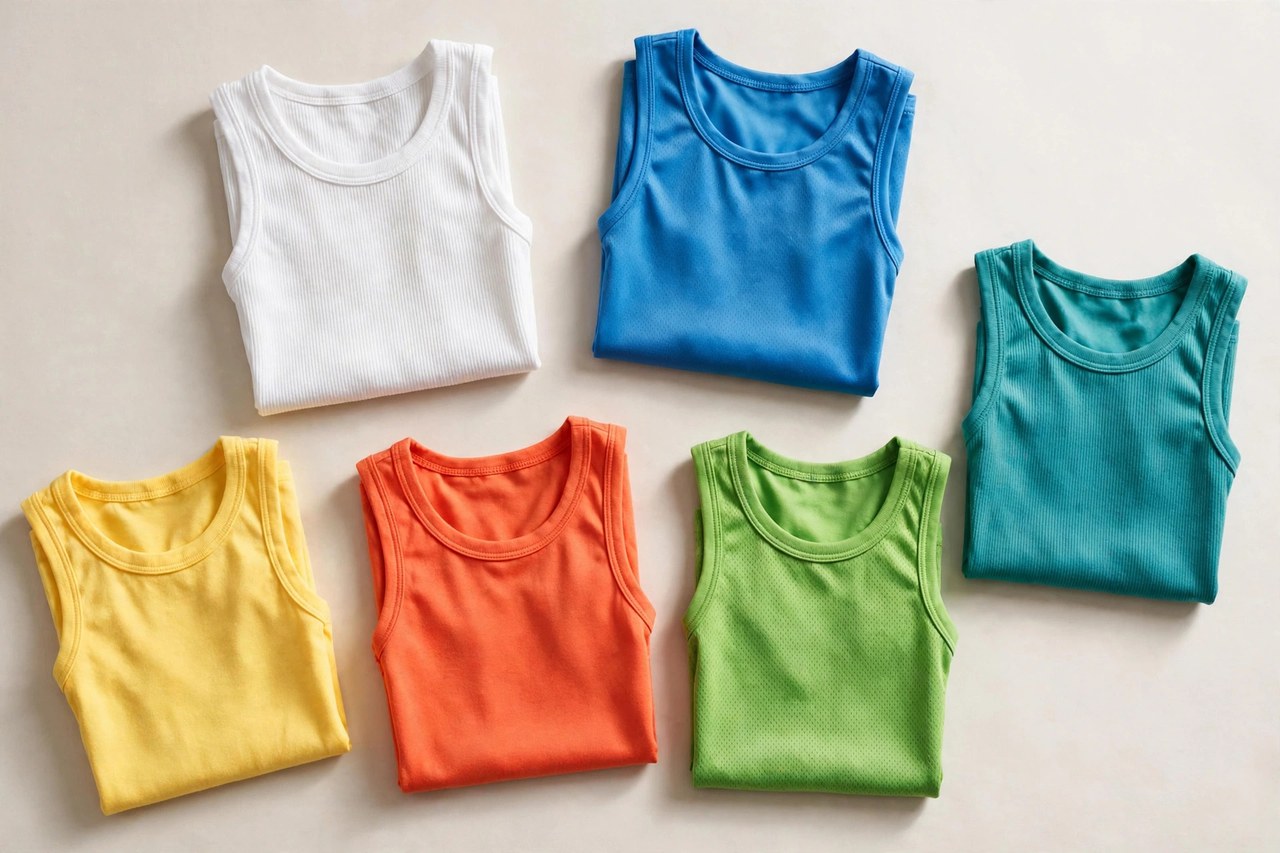
Boys' tank tops are the sleeveless tops of the wardrobe: the ribbed undershirt worn as a base layer year-round, and the athletic and summer tank worn on its own in heat and sport. Start with the plain question - what are tank tops? - and this product-focused guide answers it in garment terms: a sleeveless top defined by its cut at the shoulder and armhole, bought for layering, heat and freedom of movement, and specified by fabric and fit like every other top in this letter. This guide is built around the questions buyers actually ask: which style, which size, which fabric, and what will it look like after a season of real use - answered in order, with the trade-offs stated plainly.
Styles and Construction
The two families wear differently. The undershirt tank - the ribbed cotton A-shirt pattern - is a base layer: it protects outer shirts from perspiration, adds a light warmth layer in winter and smooths the line under dress shirts, and it is bought in multipacks and fitted close. The outer tank - in jersey, mesh and performance knits - is summer and sport clothing: basketball and training cuts with deeper armholes for movement, beach and camp tanks in ordinary jersey, all of them trading coverage for ventilation. School dress codes commonly restrict sleeveless tops, which is a specification to check before the summer wardrobe is bought, not after.
For children's tops, finishing decides comfort: flat or taped neck seams that do not scratch, shoulder seams that sit on the shoulder rather than sliding down the arm, and prints or appliques that stay smooth against the skin. Hold the garment up and check that side seams hang straight - a twisted seam means the pieces were cut off grain and the top will keep twisting in wear. Reinforced elbows and double-stitched hems earn their keep on school clothes.
Fit and Sizing
Fabric follows family: ribbed cotton and cotton-modal for undershirts, where softness and absorbency lead; moisture-wicking synthetics for athletic tanks, where a soaked cotton tank is a heavy, cold liability; cotton jersey for casual summer wear between the two. Armhole depth is the fit decision in outer tanks - enough for movement and air, finished with binding that lies flat and does not chafe through a day's activity.
Fit children's tops by shoulder and length first: the shoulder seam belongs at the shoulder, sleeves should reach the wrist with the arm relaxed, and the hem should cover the waistband of the bottoms it will be worn with, sitting and reaching alike. Leave growing room in the body rather than the neck - a collar that gaps or chokes is wrong at any price. If a top will be layered over another, try it over that layer before deciding.
Wearing and Care
Tank tops wash with the tops they resemble and cost little enough to rotate generously. The undershirt stock should match the wash cycle, since a base layer is a daily garment; outer tanks are few and seasonal. Bought by those simple rules, the sleeveless corner of the drawer does its two jobs - invisible service under shirts all year, and cool, free movement all summer - without further thought.
Wash children's tops inside out in cool or warm water, fasten buttons and zips first, and treat playground and food stains the same day - children's stains set fast because they are rarely rinsed when they happen. Tumble dry low or line dry to protect prints and elastic, and fold knits rather than hanging them so shoulders keep their shape. A named hook or cubby label inside the collar saves more school tops than any fabric technology.
Common Questions
What is the difference between a tank top and an undershirt?
The undershirt is a tank by cut and a base layer by job: ribbed, close-fitting, worn under other clothing to protect it and add light warmth, never intended as the visible garment. Outer tank tops are cut and finished to be seen - jersey and mesh fabrics, bound armholes, colors and prints. Many products are sold as both; the wardrobe decision is which job each purchase is for, because the fit and fabric that serve one job serve the other poorly.
Are tank tops allowed in school dress codes?
Frequently not as outerwear: many codes require covered shoulders, which excludes sleeveless tops regardless of their neatness. This is a check-the-code purchase - the back-to-school guides in this letter build the same habit for every category. Undershirt tanks worn as base layers are unaffected by such codes, since they are not the visible garment.
What fabric is best for boys' athletic tank tops?
Moisture-wicking synthetic knits and meshes: they move perspiration off the skin, dry between activities and stay light when wet, where cotton absorbs, heavies and chills. For casual summer wear rather than sport, cotton jersey is softer and cheaper and entirely sufficient. Match the fabric to the sweat the garment will actually meet.
More in Children's Clothes Guide B
The B letter hub and the guides closest to this one:
Looking for Children's Clothing Stores?
This guide helps you choose children's boys tank tops. To browse where to buy, visit our children's clothing store directory, where you can find retailers that carry them.