Children's Blank T-Shirts Guide
A blank t-shirt is a solid-color t-shirt with no print, logo or graphic - the plainest garment in the children's wardrobe and, by the yard, the most useful. Blanks are the uniform of art projects, team tie-dye, school play costumes, camp shirts, printing and embroidery projects, and the everyday layer under everything. Where a graphic tee says something chosen by a brand, the blank is the shirt a family chooses for itself.
Shop Children's Blank T-Shirts Now
Shop Children's Blank T-Shirts on Amazon Shop Children's Blank T-Shirts on eBayThe Amazon and eBay links on this page are affiliate links. If you make a purchase through them, Apparel Search may earn a commission.
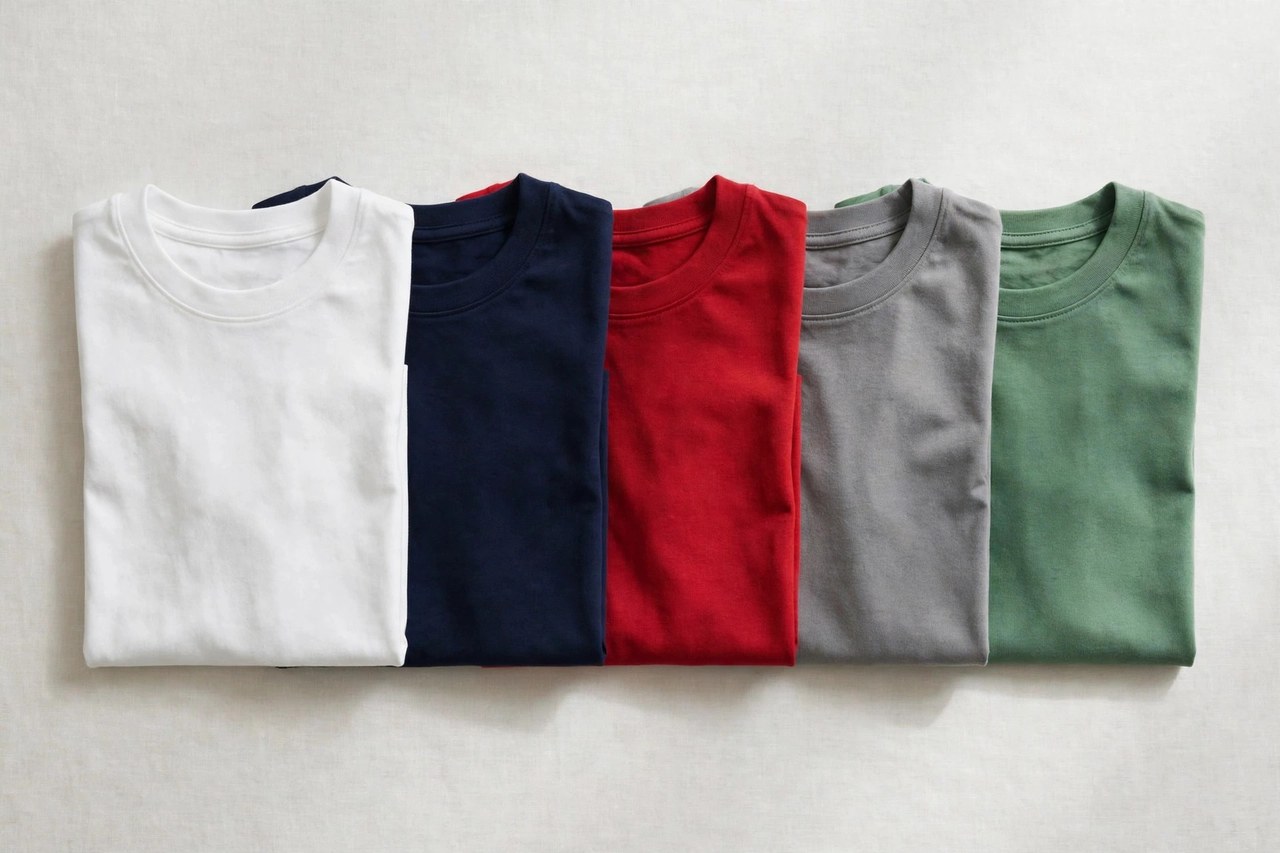
A blank t-shirt is a solid-color t-shirt with no print, logo or graphic - the plainest garment in the children's wardrobe and, by the yard, the most useful. Blanks are the uniform of art projects, team tie-dye, school play costumes, camp shirts, printing and embroidery projects, and the everyday layer under everything. Where a graphic tee says something chosen by a brand, the blank is the shirt a family chooses for itself. This guide explains what to look for, how the sizing actually works, which fabrics and constructions earn their price, and how to care for the garment so it keeps doing its job all season.
Styles and Construction
Fabric decides what a blank can become. Midweight cotton jersey takes fabric paint, tie-dye and iron-on transfers evenly and is the default project shirt; cotton-polyester blends hold color through more washes and suit screen printing that must survive a season; ringspun cotton gives the softest everyday wear. Check the shirt's construction as you would any top: straight side seams, a ribbed collar that recovers when stretched, and no twist after washing. White blanks show every decision, so for printing, buy one extra as the test shirt.
For children's tops, finishing decides comfort: flat or taped neck seams that do not scratch, shoulder seams that sit on the shoulder rather than sliding down the arm, and prints or appliques that stay smooth against the skin. Hold the garment up and check that side seams hang straight - a twisted seam means the pieces were cut off grain and the top will keep twisting in wear. Reinforced elbows and double-stitched hems earn their keep on school clothes.
Fit and Sizing
The economics are the point: blanks in multi-packs cost a fraction of graphic tees, which makes them the rational choice for messy play, painting clothes, spares in the school bag and the shirts sent to camp with a name label and no tears expected at their loss. For printers and crafters, consistency matters more than softness - buy the whole project's shirts from one pack or batch so dye and ink take identically across the set.
Fit children's tops by shoulder and length first: the shoulder seam belongs at the shoulder, sleeves should reach the wrist with the arm relaxed, and the hem should cover the waistband of the bottoms it will be worn with, sitting and reaching alike. Leave growing room in the body rather than the neck - a collar that gaps or chokes is wrong at any price. If a top will be layered over another, try it over that layer before deciding.
Wearing and Care
Blanks wash like the workhorses they are: sort whites properly if they are to stay white, wash colors inside out, and mend nothing - at blank prices, a torn shirt graduates to the rag bag and a fresh one takes its place. Keep two or three untouched spares in the drawer at all times; the class project, costume emergency or growth spurt that needs a plain shirt never announces itself in advance, and the family with blanks on hand is always ready.
Wash children's tops inside out in cool or warm water, fasten buttons and zips first, and treat playground and food stains the same day - children's stains set fast because they are rarely rinsed when they happen. Tumble dry low or line dry to protect prints and elastic, and fold knits rather than hanging them so shoulders keep their shape. A named hook or cubby label inside the collar saves more school tops than any fabric technology.
Common Questions
What is the best blank t-shirt for tie-dye and fabric paint?
A midweight 100 percent cotton jersey in white or a pale color: cotton absorbs dye and paint evenly and brightly, where polyester blends resist both and give muted results. Pre-wash the shirts to remove sizing, which otherwise blocks absorption in patches, and buy one extra shirt from the same batch to test colors before the real project.
Are blank t-shirts good for school uniforms?
Where the dress code allows plain polos or tees in set colors, blanks are the economical backbone of the uniform drawer: consistent color, multi-pack pricing and easy replacement. Check the code carefully - many schools specify collars, which a blank tee lacks, and the polo guides in this letter cover that case. For free-dress schools, colored blanks are simply the cheapest sound tee available.
How many blank t-shirts should a child have?
For everyday wear, four to six in rotation covers a weekly wash cycle with spares; for a craft or printing project, the project's number plus one test shirt and one spare. Because blanks are bought in packs and outgrown rather than outworn, resist overbuying sizes ahead - a fresh pack in the right size beats a drawer of last year's bargain in the wrong one.
More in Children's Clothes Guide B
The B letter hub and the guides closest to this one:
Looking for Children's Clothing Stores?
This guide helps you choose children's blank t-shirts. To browse where to buy, visit our children's clothing store directory, where you can find retailers that carry them.