Children's Boys Shoes Guide
Boys' shoes are the closed, structured footwear of the wardrobe: the leather school shoes, the dressed shoes for occasions and the sturdy casual shoes that stand between sneakers and boots. Shoes are an essential wardrobe component spanning style, comfort and function, and this page takes the shoe - as distinct from the sneaker and the boot, each with its own guide here - through its styles, its fitting and its keeping.
Shop Children's Boys Shoes Now
Shop Children's Boys Shoes on Amazon Shop Children's Boys Shoes on eBayThe Amazon and eBay links on this page are affiliate links. If you make a purchase through them, Apparel Search may earn a commission.
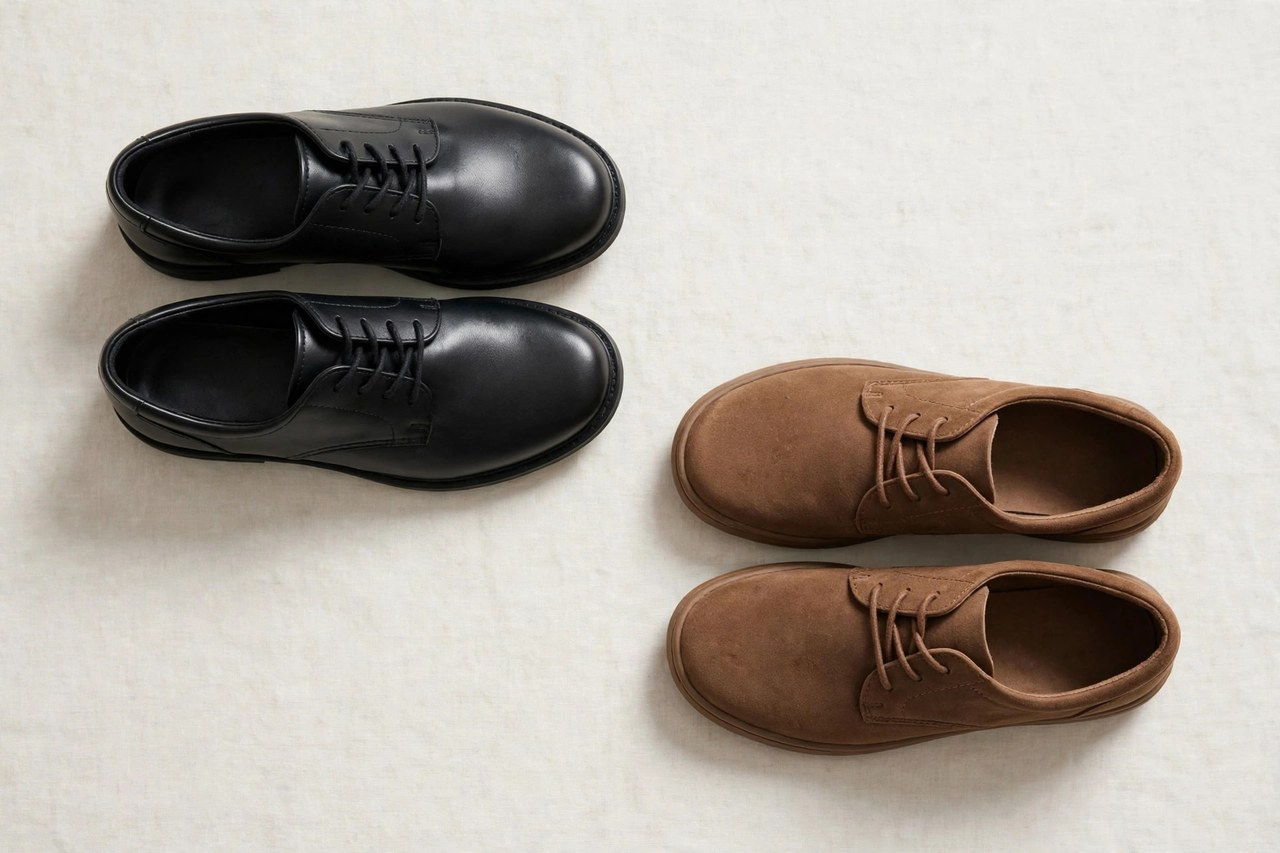
Boys' shoes are the closed, structured footwear of the wardrobe: the leather school shoes, the dressed shoes for occasions and the sturdy casual shoes that stand between sneakers and boots. Shoes are an essential wardrobe component spanning style, comfort and function, and this page takes the shoe - as distinct from the sneaker and the boot, each with its own guide here - through its styles, its fitting and its keeping. This guide walks through the choices that matter - style, fit, fabric and finish - with the practical detail a product listing rarely gives, and closes with the care habits that keep the garment in service.
Styles and Construction
The families are few and functional. School shoes are the daily leather workhorse: black, polishable, with a sole that survives the playground's honesty about footwear. Dress shoes - oxfords, loafers and their junior forms - serve suits and occasions. Casual shoes in suede, canvas and leather blends cover weekends. Across all of them, construction decides value the way it does in boots: leather that can be fed and polished, soles stitched or honestly cemented, linings that do not shred at the heel within a term. A shoe's inside tells its future faster than its outside tells its present.
Judge children's footwear by closure and sole before color: hook-and-loop straps and elastic laces let a child dress independently, while stiff lace-only designs frustrate small hands. The sole should flex at the ball of the foot, not in the middle, and the toe box should be wide enough for toes to spread. A firm heel counter steadies new walkers and hard players alike, and a removable insole makes checking the fit as simple as standing the child on it.
Fit and Sizing
Fit boys' shoes with the discipline the footwear guide prescribes - late day, proper socks, thumb's width, heel held, movement tested - and add the school shoe's specific test: the shoe must run, because it will, whatever the rules say. Scuff resistance at the toe is a legitimate purchase criterion in this category and no reflection on the boy; the reinforced and rubber-toed school designs exist because the playground is a footwear testing facility that never closes.
Fit children's shoes at the end of the day, in the socks they will be worn with, allowing about a thumb's width - roughly a centimeter to a centimeter and a half - beyond the longest toe. The heel should hold without slipping, the widest part of the foot should meet the widest part of the shoe, and the child should walk, run and jump in the shop: children's shoes are fitted by watching them move, not by how they look standing still. Recheck the fit every few months; young feet grow in spurts.
Wearing and Care
Shoes repay the oldest care routine in this letter: rotate where a second pair exists, polish leather on a rhythm rather than a panic, replace laces before they snap at the school gate, and resole the well-made pair once before retiring it. A boy taught to brush his school shoes on Sunday owns a habit that will serve every leather thing he ever buys - this category teaches maintenance better than any other in the boys' range.
Children's footwear lasts longer on rotation: a rest day lets linings dry fully, which is what keeps shoes smelling like shoes. Brush off mud when dry, stuff wet shoes with paper and dry them at room temperature - never on a radiator, which cracks leather and warps soles. Machine-washable styles should still be air-dried, and hook-and-loop straps should be closed before washing so they do not fill with lint and lose their grip.
Common Questions
What is the difference between boys' shoes and sneakers?
Structure and register: shoes are built on a defined last with leather or structured uppers, a shaped sole and a finish that dresses up - the footwear of school codes, suits and occasions. Sneakers are cushioned, flexible athletic-derived footwear for play and casual wear. The wardrobe needs both because their jobs barely overlap: a sneaker cannot sit under a suit, and a school shoe was not built for a full day of sport.
How long should a pair of boys' school shoes last?
A sound leather pair should last the school year or until outgrown, whichever arrives first - with a mid-year fit check, because growth, not wear, ends most pairs. Signs of a finished shoe are a collapsed heel counter, a split upper at the flex point or a sole worn smooth. Polishing and rotation are what separate the pair that makes the year from the pair replaced at half term.
Are expensive boys' shoes worth it?
For the daily school pair, usually yes on cost per wear: better leather, soles and linings survive the year's hours and often a sibling. For the occasion shoe worn a dozen hours a year, the modest pair is the rational buy. Spend where the hours are - the footwear system's rule throughout this letter - and let the dress shoes be handsome rather than heroic.
More in Children's Clothes Guide B
The B letter hub and the guides closest to this one:
Looking for Children's Clothing Stores?
This guide helps you choose children's boys shoes. To browse where to buy, visit our children's clothing store directory, where you can find retailers that carry them.