Children's Boys Sneakers Guide
Boys' sneakers are the most-worn footwear of boyhood: the cushioned, gripped, endlessly replaced shoes of school runs, playgrounds, sports and everything between. Sneakers are more than shoes - a statement of style, comfort and utility for active adventures. The gallery below includes a 2016 photograph of boys' sneakers. The category has only grown since: sneakers are now the default shoe of the age, and choosing them well matters accordingly.
Shop Children's Boys Sneakers Now
Shop Children's Boys Sneakers on Amazon Shop Children's Boys Sneakers on eBayThe Amazon and eBay links on this page are affiliate links. If you make a purchase through them, Apparel Search may earn a commission.
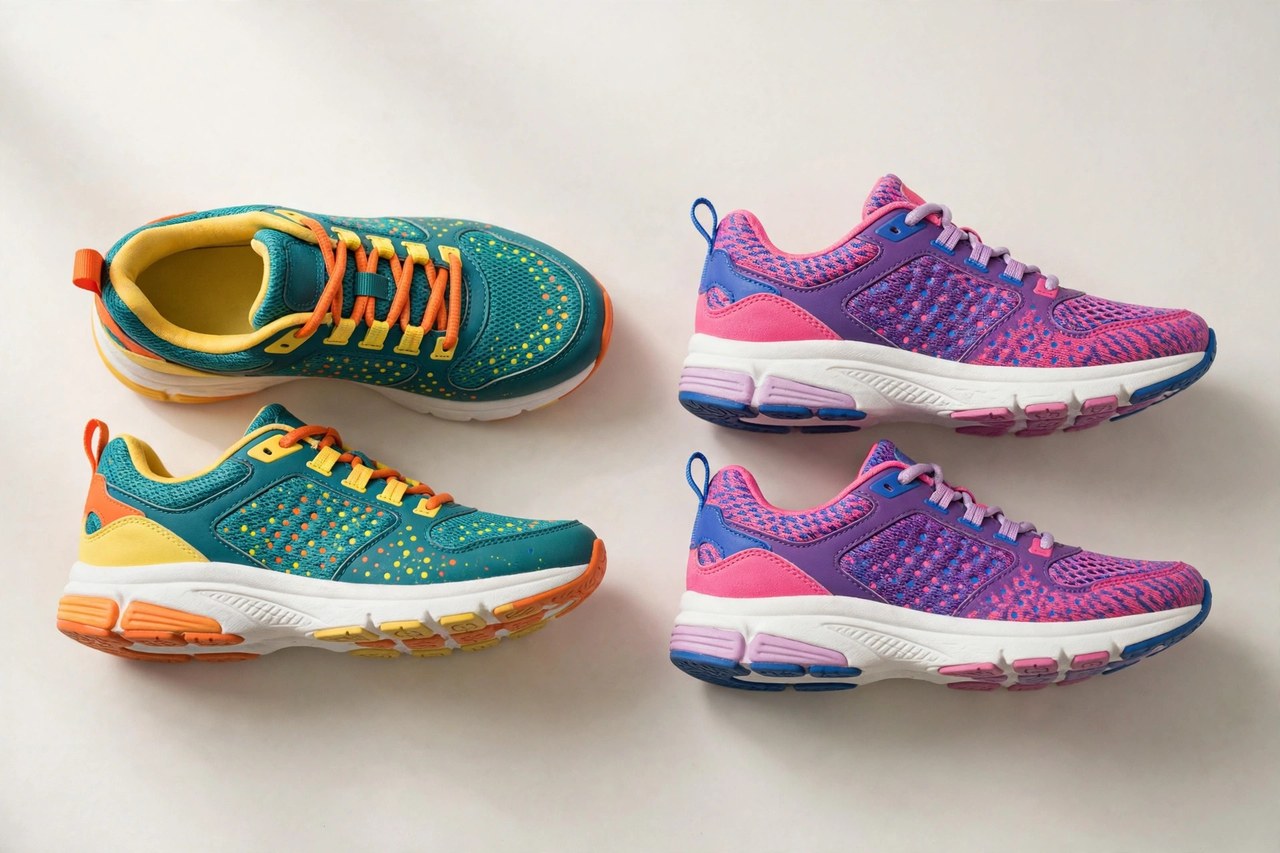
Boys' sneakers are the most-worn footwear of boyhood: the cushioned, gripped, endlessly replaced shoes of school runs, playgrounds, sports and everything between. Sneakers are more than shoes - a statement of style, comfort and utility for active adventures. The gallery below includes a 2016 photograph of boys' sneakers. The category has only grown since: sneakers are now the default shoe of the age, and choosing them well matters accordingly. This guide explains what to look for, how the sizing actually works, which fabrics and constructions earn their price, and how to care for the garment so it keeps doing its job all season.
Styles and Construction
Styles divide by intention. Court-derived low tops are the all-rounders; running-derived shoes bring the cushioning for high-mileage boys; high tops add ankle presence and skate durability; slip-ons and elastic-lace designs serve the youngest and the impatient of every age. Materials run from full synthetic uppers that hose clean, through mesh runners that breathe and perish, to leather sneakers that polish up a half-step smarter. The sole tells the truth about a sneaker: herringbone and multi-directional tread for courts and playgrounds, lugged for trails, flat and grippy for skate.
Judge children's footwear by closure and sole before color: hook-and-loop straps and elastic laces let a child dress independently, while stiff lace-only designs frustrate small hands. The sole should flex at the ball of the foot, not in the middle, and the toe box should be wide enough for toes to spread. A firm heel counter steadies new walkers and hard players alike, and a removable insole makes checking the fit as simple as standing the child on it.
Fit and Sizing
Cushioning is marketing's favorite word and fit is the reality: a thumb's width at the toe, the heel held without lift, the flex at the ball of the foot, and a full test of running and stopping in the shop. Sport-specific shoes earn their name once a boy trains seriously in one sport; before that point, a sound all-round sneaker serves every game better than three shallow specialists. Light-up and character sneakers delight the young - check that the gimmick did not eat the construction budget.
Fit children's shoes at the end of the day, in the socks they will be worn with, allowing about a thumb's width - roughly a centimeter to a centimeter and a half - beyond the longest toe. The heel should hold without slipping, the widest part of the foot should meet the widest part of the shoe, and the child should walk, run and jump in the shop: children's shoes are fitted by watching them move, not by how they look standing still. Recheck the fit every few months; young feet grow in spurts.
Wearing and Care
Sneakers die by odor and collapse before they die by holes: rotate two pairs where possible, air them after wear, wash the washable ones when they announce themselves, and replace when the midsole packs down - the day the cushioning stops returning is the day the shoe stops protecting knees and heels, however fine the upper still looks. That judgment, invisible from the photograph, is the real content of sneaker buying.
Children's footwear lasts longer on rotation: a rest day lets linings dry fully, which is what keeps shoes smelling like shoes. Brush off mud when dry, stuff wet shoes with paper and dry them at room temperature - never on a radiator, which cracks leather and warps soles. Machine-washable styles should still be air-dried, and hook-and-loop straps should be closed before washing so they do not fill with lint and lose their grip.
Common Questions
What sneakers are best for active boys?
A court-style or cross-training sneaker with a durable upper, a grippy multi-directional sole and genuine heel support covers the widest range of boyhood activity. Leather or reinforced synthetic uppers outlast pure mesh for daily wear. The best sneaker is the one fitted properly - heel held, toe room right, flex at the ball - because construction cannot compensate for a foot sliding inside its shoe all day.
How often should boys' sneakers be replaced?
When fit or function ends: toe room below a thumb's width, tread smooth at the strike zones, or the midsole compressed so the cushioning no longer rebounds. In heavy daily use that is commonly every six to twelve months, and sooner in growth spurts. A monthly check catches all three signs early - the footwear guide in this letter runs the same calendar for the whole shoe wardrobe.
Are high-top sneakers better for boys' ankles?
High tops add a feeling of support and protect the ankle area from scuffs and court contact, but they do not prevent ankle injuries in any proven, substantial way - strength, balance and fit do that work. Choose high tops for style, skate durability and preference; choose them knowing the protection story is the weakest reason on the list. For a boy with a history of sprains, ask a clinician about bracing rather than relying on collar height.
More in Children's Clothes Guide B
The B letter hub and the guides closest to this one:
Photos

Looking for Children's Clothing Stores?
This guide helps you choose children's boys sneakers. To browse where to buy, visit our children's clothing store directory, where you can find retailers that carry them.