Children's Ski Pants Guide
Children's ski pants are the slope-specific member of the snow family: ski pants are a type of snow pant worn during the sport of skiing, though they can also be worn for other cold-weather activities. That sporting origin shapes every detail — the cut must work in ski boots, bend at the knee through a lesson, keep snow out at the ankle, and stay waterproof through falls, lifts and wet snow. This guide covers the ski pant itself; its sibling page covers snowpants for general snow play.
Shop Children's Ski Pants Now
Shop Children's Ski Pants on Amazon Shop Children's Ski Pants on eBayThe Amazon and eBay links on this page are affiliate links. If you make a purchase through them, Apparel Search may earn a commission.
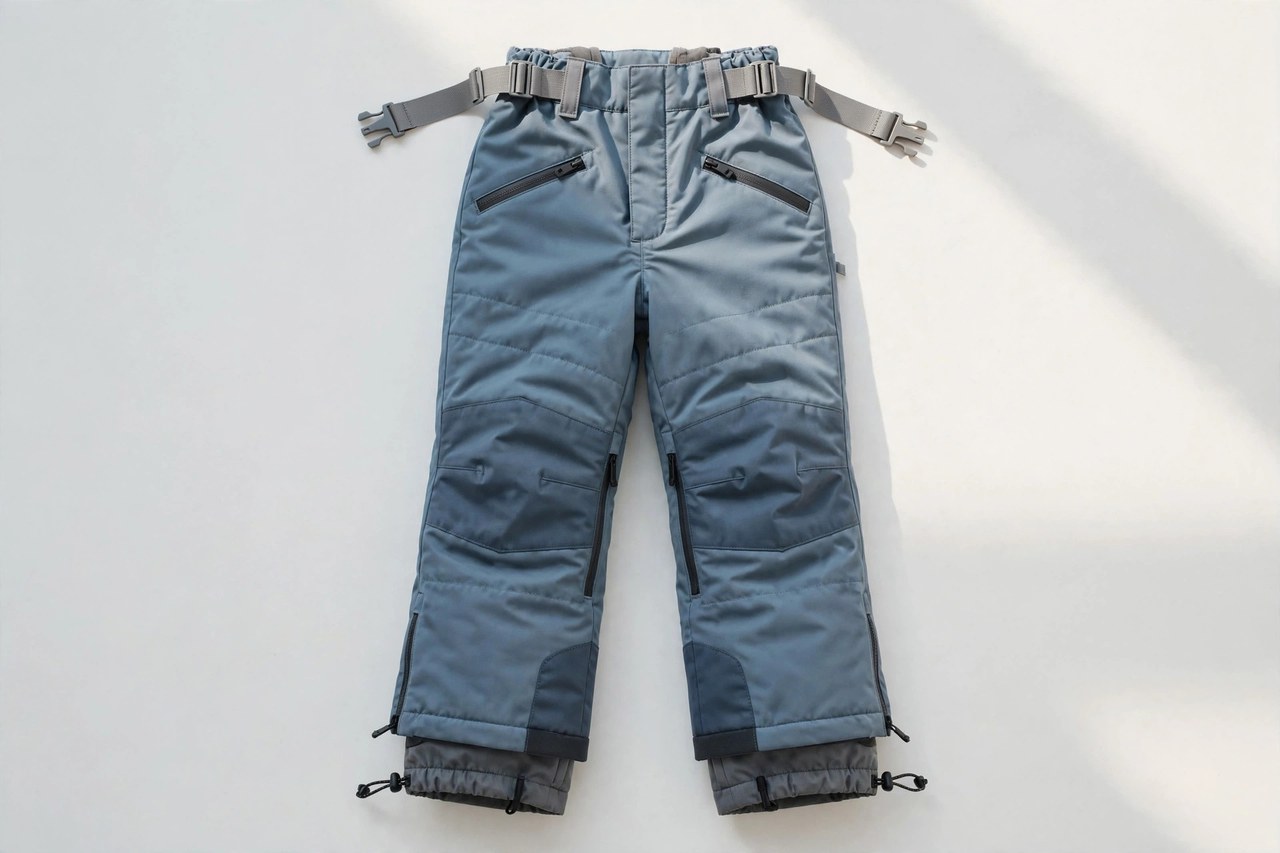
Children's ski pants are the slope-specific member of the snow family: ski pants are a type of snow pant worn during the sport of skiing, though they can also be worn for other cold-weather activities. That sporting origin shapes every detail — the cut must work in ski boots, bend at the knee through a lesson, keep snow out at the ankle, and stay waterproof through falls, lifts and wet snow. This guide covers the ski pant itself; its sibling page covers snowpants for general snow play.
The distinction matters when buying. A child in ski school spends hours in falling, sitting and kneeling positions on snow, in weather a playground visit would cancel. Trousers bought for general snow play can serve a first ski day, but a child skiing regularly needs the boot gaiters, reinforced seat and knees, and articulated cut that define the true ski pant.
Salopettes, Bibs and Shell Versus Insulated
Two constructions dominate. Salopettes or bib pants extend up the torso with shoulder straps: snow cannot enter at the waist in a fall, the top cannot ride down, and younger children stay sealed through a whole lesson. Waist-height ski pants are lighter, easier for toilet breaks, and suit older children who dress themselves quickly. For ski school, where instructors cannot re-dress twenty children, the bib's stay-put security usually wins for under-eights.
Insulated ski pants carry their own warmth in synthetic padding and are the default for children, who get colder faster than adults and stop for hot chocolate rather than generating heat on black runs. Shell pants are uninsulated waterproof shells worn over layers — flexible for touring families and spring skiing, but they ask more of the layering underneath. Either way, the outer fabric must be properly waterproof with sealed seams: a child sits in snow at every lesson, and a pant that wets through at the seat ends the day.
Boot Gaiters, Reinforcements and Fit Over Layers
The inner gaiter at each ankle — an elasticated cuff that pulls over the ski boot — is the ski pant's signature detail. It seals the gap where snow otherwise packs into the boot with every fall. Check that it stretches over the child's actual boot and grips without cutting circulation. Reinforced fabric at the seat, knees and inner ankle (where ski edges nick trousers) doubles the working life of the garment, and scuff guards at the hem protect against boot buckles and bindings.
Fit ski pants over the base layer they will be worn with, and test the ski movements: squat into a wedge, bend each knee fully, sit on the floor and stand without using hands. The waist should adjust — straps, Velcro tabs or an internal elastic — because a pant that slips during a lesson distracts from everything else. Length should cover the boot with the knee bent, without pooling so far that it catches under the boot. Growing room is honest here: an adjustable waist and a slightly long leg with a sound gaiter serve two seasons far better than a perfect fit serves one.
Care, Drying and the End-of-Season Check
Ski pants work wet and must be dried properly after every ski day: shake off snow, hang them open in moving air, and dry the gaiters and waistband where moisture hides. Wash as the label directs — usually a cool technical wash without fabric softener, which damages waterproof coatings — and re-proof when water stops beading on the fabric. Check zips, strap adjusters and gaiter elastic while you can still repair them, not in the resort car park.
Between seasons, wash, dry fully, fasten straps so they do not snag, and store hung or loosely folded away from heat. Ski pants hand down and resell better than almost any children's garment because they are worn for weeks, not months, each year and are outgrown long before they wear out. Buy the adjustable, reinforced pair once, keep the proofing alive, and the same pants can carry two or three children's ski schools — which, at lesson prices, is the most welcome economy in the whole ski bag.
Common Questions
What are ski pants?
A type of snow pant worn during the sport of skiing, which can also be worn for other cold-weather activities. The ski-specific details are inner boot gaiters that seal snow out of the boot, reinforced seat, knees and inner ankles, and a cut that bends through lessons and falls.
Bib salopettes or waist-height ski pants for a child?
Bib salopettes for younger children and ski school: snow cannot enter at the waist in a fall and the top cannot ride down. Waist-height pants are lighter and easier for toilet breaks, suiting older children who dress themselves quickly.
How should children's ski pants fit?
Fitted over their base layer, with a squat, full knee bends and a sit-and-stand test. The waist must adjust and stay put through a lesson, the gaiter must stretch over the actual boot, and the leg should cover the boot with the knee bent without pooling under it.
More in Children's Clothes Guide S
The S letter hub and related S guides:
Looking for Children's Clothing Stores?
This guide helps you choose children's ski pants. To browse where to buy, visit our children's clothing store directory, where you can find retailers that carry them.