Children's Toddler Clothing Guide
Toddler clothing is the wardrobe for the one-to-three years, and the definition is plain: a toddler is a child between the ages of one and three, the toddler years are a time of great cognitive, emotional and social development, and it is also a time for them to roll around the floor getting their clothing dirty. That single sentence is the whole buying brief. This page covers toddler clothes as a system — the garments, the dressing mechanics, the fabrics and the laundry reality — while the companion page in this letter covers toddler shoes alone.
Shop Children's Toddler Clothing Now
Shop Children's Toddler Clothing on Amazon Shop Children's Toddler Clothing on eBayThe Amazon and eBay links on this page are affiliate links. If you make a purchase through them, Apparel Search may earn a commission.
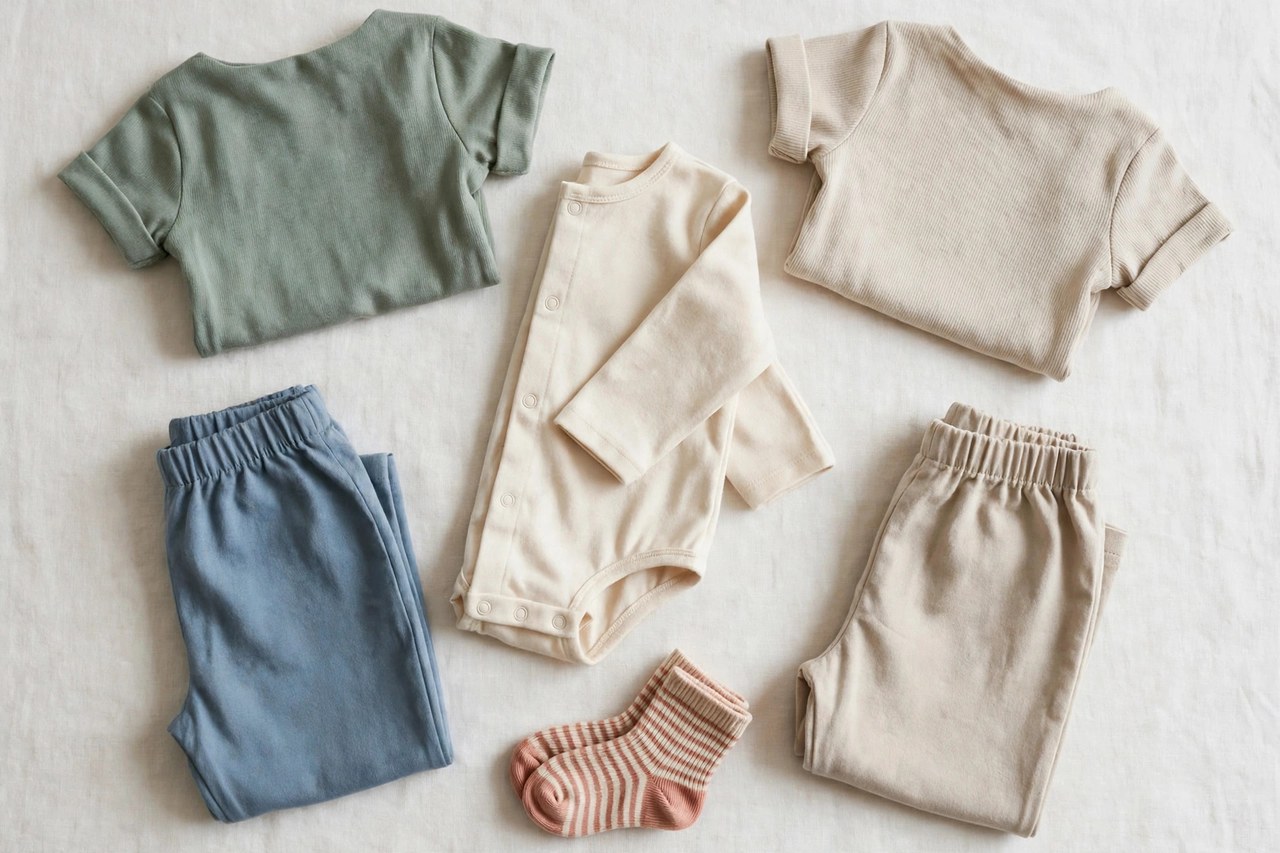
Toddler clothing is the wardrobe for the one-to-three years, and the definition is plain: a toddler is a child between the ages of one and three, the toddler years are a time of great cognitive, emotional and social development, and it is also a time for them to roll around the floor getting their clothing dirty. That single sentence is the whole buying brief. This page covers toddler clothes as a system — the garments, the dressing mechanics, the fabrics and the laundry reality — while the companion page in this letter covers toddler shoes alone.
Toddlerhood is the fastest wardrobe turnover in childhood: as many as four sizes in two years, nappies or early toilet training changing how bottoms must work, and a wearer who is learning to dress, undress and object. The clothes that succeed here are not the cutest ones on the rail; they are the ones a tired adult can change in ninety seconds and the child cannot defeat, stain beyond recovery or trip over.
The Wardrobe System: What Toddlers Actually Wear
The working toddler wardrobe is small and repetitive: soft tops and t-shirts, a few one-piece rompers and dungarees, elastic-waist trousers and leggings, one warm layer, sleepwear, and weather layers on top. One-piece garments earn their place for the younger half of the stage because they cannot untuck, ride up or separate at the waist during floor play and climbing. Separates take over as toilet training begins, when the whole outfit must come down in seconds on a small person's urgent schedule.
Buy depth in the workhorses and breadth nowhere: four or five bottoms and six or seven tops in rotation outlast a drawer of occasional outfits, because toddler clothes are washed after nearly every wear. Occasion outfits exist — photographs, family events — but they are worn for hours, not days, and a smart top over everyday soft trousers usually photographs exactly as well as a full bought outfit. The infants and toddlers guide covers the wider infant-and-toddler clothing family this wardrobe belongs to.
Dressing Mechanics: Fastenings, Waists and Safety Checks
Fastenings decide whether clothes help or hinder. Shoulder snaps and envelope necks on tops let a garment come off downward after a mess rather than over the face. Side and crotch snaps on one-piece garments allow a nappy change without full undressing. Trousers and shorts need full elastic waists or soft adjustable waists — never stiff button-and-fly fronts at this stage — and zips, where used, should be chunky, guarded at the chin end and operable by an adult one-handed.
Safety checks are concrete and quick. Buy sleepwear that meets the flammability rules for children's sleep garments in your country, fitted snugly as those rules intend. Avoid drawstrings at necks and hoods entirely at this age, check buttons and decorative fastenings are sewn to survive a determined pull, and remove or sew down anything detachable. Seams should be flat and labels soft or printed, because toddler skin marks easily and a scratchy label can make a sound garment unwearable. Hats and scarves follow nursery rules; many settings prefer no scarf at all for this age group.
Fabrics, Sizing and the Laundry Reality
Cotton and cotton-rich jersey and interlock dominate rightly: soft, breathable, washable hot enough for food and playground stains, and kind against skin worn all day. A little elastane in leggings and waistbands keeps shape through crawling, climbing and the hundred daily bends of toddler life. Fleece is the practical warm layer — light, warm, washable and quick-drying. Dressier fabrics earn scrutiny rather than refusal: if it cannot go in the household wash, it will not be worn often enough to justify itself, so check the care label before the price tag impresses you.
Sizing runs by height and weight ranges more honestly than by age labels, which vary wildly between makers; measure the child, use the maker's chart, and expect the 12–18, 18–24 and 2–3 year bands to pass quickly. A little growing room is legitimate in tops and trousers — cuffs and turn-ups manage it — but sleeves past the hands, trouser legs pooling at the ankle and shoes too big are trip hazards, not economy. Wash everything before first wear, keep a complete spare outfit in the childcare bag and the car, and treat stains promptly, because one promise is permanent: this is the age of rolling around the floor getting clothing dirty, and the wardrobe that plans for it wins.
Common Questions
What age is a toddler?
A toddler is a child between the ages of one and three. The toddler years are a time of great cognitive, emotional and social development — and also a time for children to roll around the floor getting their clothing dirty, which is why washability leads every buying decision in this category.
What fastenings work best on toddler clothing?
Envelope necks and shoulder snaps on tops, snaps on one-piece garments for nappy changes without full undressing, and full elastic or soft adjustable waists on trousers — bottoms must come down in seconds once toilet training begins. Avoid neck and hood drawstrings entirely, and check buttons survive a determined pull.
How many toddler clothes does a wardrobe actually need?
Depth in the workhorses: roughly four or five bottoms and six or seven tops in rotation, one warm layer, sleepwear and weather layers. Toddler clothes are washed after nearly every wear, so duplicates of the everyday beat a drawer of occasional outfits. Keep a complete spare outfit in the childcare bag.
More in Children's Clothes Guide T
The T letter hub and related T guides:
Looking for Children's Clothing Stores?
This guide helps you choose children's toddler clothing. To browse where to buy, visit our children's clothing store directory, where you can find retailers that carry them.