Men's Big and Tall Outerwear Guide
Big and tall outerwear is the umbrella over this section's coats and jackets: the parkas, insulated shells, rain jackets and layered systems sized for bigger and taller frames. Outerwear is where extended sizing matters most and is hardest to fake - a shell must close over insulation, move with a longer arm, and vent heat from a larger engine - and where the difference between a graded extended pattern and a merely enlarged one is felt in the first storm.
Shop Men's Big and Tall Outerwear Now
Shop Men's Big and Tall Outerwear on Amazon Shop Men's Big and Tall Outerwear on eBayThe Amazon and eBay links on this page are affiliate links. If you make a purchase through them, Apparel Search may earn a commission.
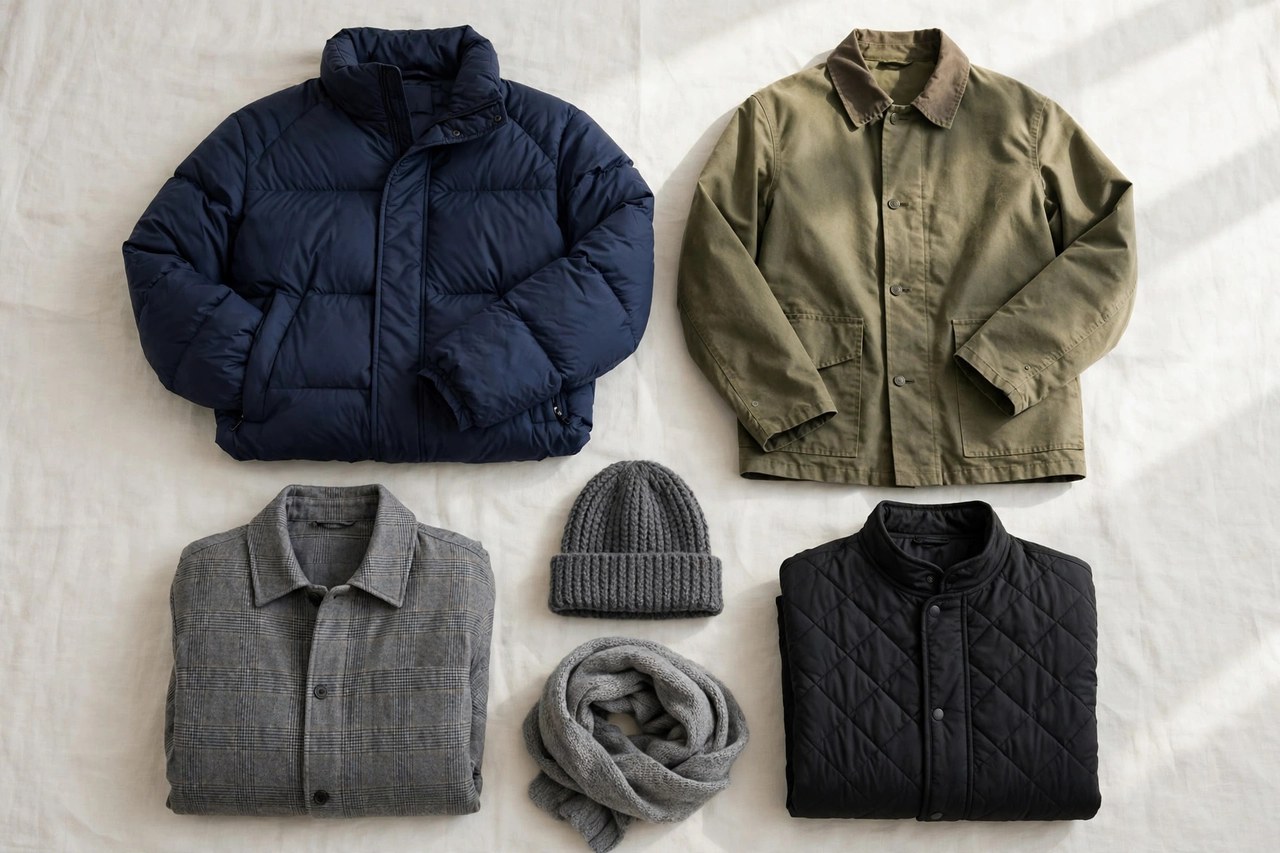
Big and tall outerwear is the umbrella over this section's coats and jackets: the parkas, insulated shells, rain jackets and layered systems sized for bigger and taller frames. Outerwear is where extended sizing matters most and is hardest to fake - a shell must close over insulation, move with a longer arm, and vent heat from a larger engine - and where the difference between a graded extended pattern and a merely enlarged one is felt in the first storm.
Big and tall sizing answers two different bodies with two different ranges: big sizes (1X through 6X in most lines) add circumference - chest, waist, seat and thigh - at regular lengths, while tall sizes (LT through 4XLT) add length - sleeves, body, rise and inseam - at a given circumference. Many men need one, some need both, and buying the wrong axis is the classic big-and-tall mistake: a big size bought for length drowns the shoulders, and a tall size bought for girth strains at every closure. Measure both axes - circumference where the garment closes, and length where it must reach - and order from the maker's own chart, because an X in one brand is a rumor in another.
Sizing for Bigger and Taller Frames
Size outerwear by its worst day: chest measured over the full layering system you will actually wear, sleeve tested in the reaching, driving, shoveling positions the garment will work in. Tall shells need hood geometry checked too - a hood patterned for a regular frame pulls the whole jacket up when raised on a tall neck. Storm flaps, drawcords and cuffs must be operable with gloves on, and hem length on tall sizes should still reach mid-thigh on parkas whose job is weather, not silhouette.
Proportions are the second half of the system. A garment simply scaled up in every dimension fits nobody: proper big-and-tall patterns widen the shoulder and chest without dropping the armhole to the waist, add rise so a waistband sits where trousers are meant to sit, and grade pockets, collars and cuffs up modestly rather than comically. When a tall or big version looks like a regular garment photographed through a magnifier, that is usually better than it sounds - restraint in grading is what keeps a 3X shirt reading as a shirt and not as a tent with buttons.
Fabric and Construction
Modern outerwear is a fabric system: a waterproof-breathable shell, insulation in down or synthetic fills rated by weight and loft, and seam taping that decides whether 'waterproof' is a fact or a mood. In extended sizes, fill power and shell denier should match the regular line's specification - some makers quietly down-spec the big sizes, and the comparison of published fill weights exposes it. Synthetic insulation keeps its warmth wet and suits maritime climates; down wins on weight and packability in dry cold.
Outerwear earns its price in the details you cannot see in a photograph: whether seams are taped or merely stitched, whether the zipper is a reputable make that runs without catching, whether cuffs and hems adjust to seal out weather, and whether the lining lets the garment slide over layers instead of gripping them. Shoulder construction decides how a coat hangs over a sweater or a suit jacket, and pocket placement decides whether your hands rest naturally or hover. Buy for the coldest, wettest day the garment will honestly meet, not the mildest.
Wearing and Care
Care for outerwear in extended sizes follows the same rules as any quality garment, with two additions: the extra fabric weight makes hangers work harder, so fold heavy knits and use broad hangers for tailored pieces; and alterations budget matters more, because a hem or sleeve adjustment is often the difference between an extended size that fits and one that merely covers.
Outerwear care begins with hanging it properly - broad hangers that support the shoulders - and resting it between wears so insulation and shape recover. Most pieces need washing far less often than owners think; spot-clean first, and when a full wash comes, use the maker's instructions and a technical or gentle detergent as the fabric demands. Refresh water-repellent finishes when rain stops beading, store the garment clean and uncompressed, and have leather and tailored pieces professionally cleaned rather than experimenting at home.
Common Questions
Why do some big-size parkas feel less warm than the regular version?
Sometimes because they are: a few makers reduce fill weight in extended sizes to hold a price, and a larger shell also has more surface losing heat. Compare published fill power and fill weight, not marketing names, and size the layering system with the coat. A properly specified big parka from a serious maker is exactly as warm as its regular twin.
What should a tall man check in a hooded shell?
Hood geometry: raise the hood and turn your head - if the jacket's hem lifts and the shoulders drag, the hood and neck were patterned for a shorter frame. Also check sleeve length with arms forward and the hem's coverage seated. Tall-specific outerwear re-patterns the hood and collar, which is one of the surest signs of a genuine tall line.
Down or synthetic insulation in extended sizes?
By climate and use. Down gives the most warmth per weight and packs smallest - best for dry cold and travel. Synthetic fills cost less, keep insulating when damp, and forgive rough care - best for wet climates and work wear. In either case, buy the fill specification, and remember a larger body generates more heat: many big men run a warmth rating warmer than the label assumes.
More Big and Tall Guides
Background
Outerwear in extended sizes is the Big and Tall collection’s umbrella category for its coats and jackets. The links below lead to big and tall clothing stores and onward through the collection’s other categories, and this guide covers the category’s extended sizing, fabrics, fit and care, written for big and tall men.
Looking for Men's Clothing Stores?
This guide explains men's big and tall outerwear and their sizing. To browse where to buy, visit our men's clothing store directory, where you can find retailers that carry extended sizes.