Men's Big Size Hats Guide
Big size hats are headwear above the standard size range: fitted sizes beyond the usual ceiling (around 7 3/4 to 8 in US fitted terms, roughly 62 cm and up in metric), and adjustable styles cut with genuinely larger crowns rather than longer straps on regular crowns. A large head is a measurement, not a fitting failure - roughly one man in a small handful wears an 8 or beyond - and this page covers how big hat sizing works, which styles scale honestly, and how to buy a hat that fits a big head as a hat, not as a negotiation.
Shop Men's Big Size Hats Now
Shop Men's Big Size Hats on Amazon Shop Men's Big Size Hats on eBayThe Amazon and eBay links on this page are affiliate links. If you make a purchase through them, Apparel Search may earn a commission.
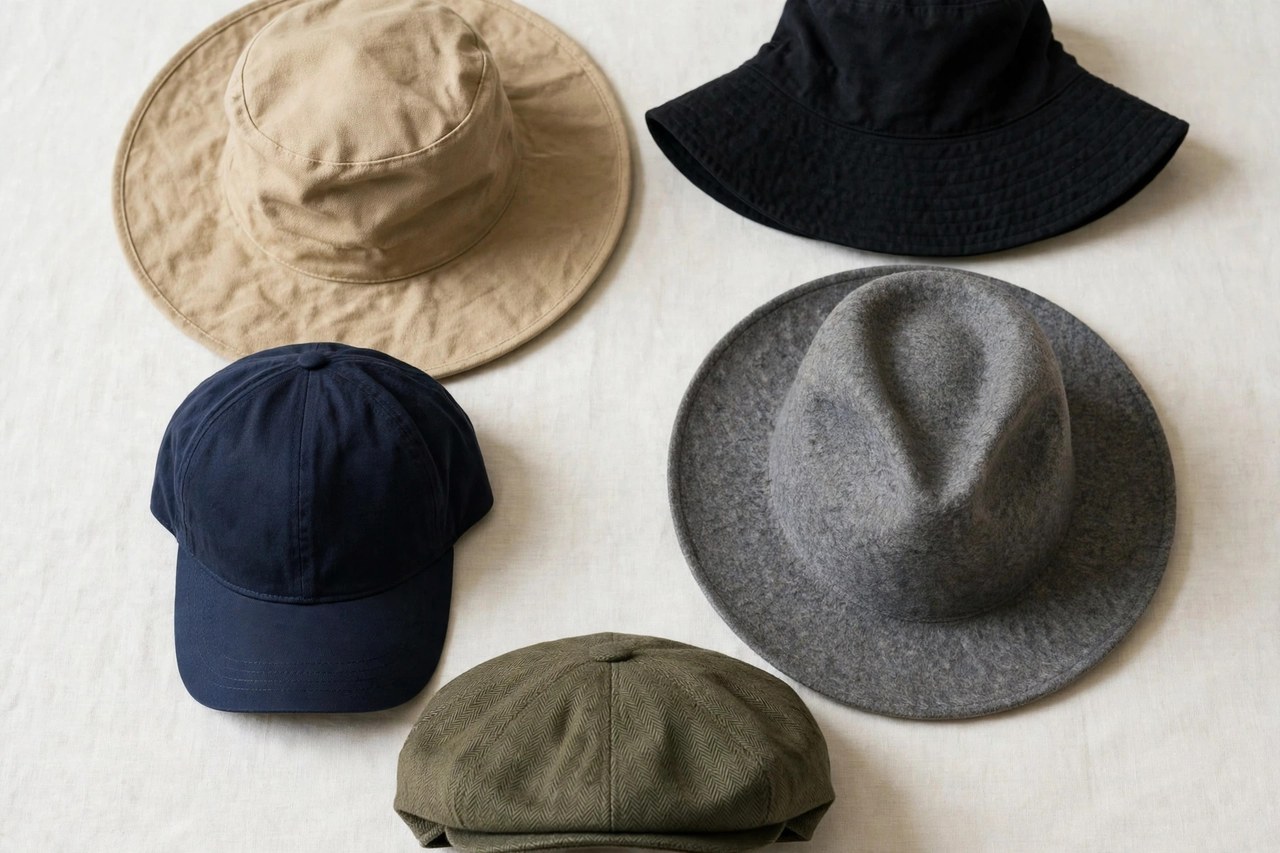
Big size hats are headwear above the standard size range: fitted sizes beyond the usual ceiling (around 7 3/4 to 8 in US fitted terms, roughly 62 cm and up in metric), and adjustable styles cut with genuinely larger crowns rather than longer straps on regular crowns. A large head is a measurement, not a fitting failure - roughly one man in a small handful wears an 8 or beyond - and this page covers how big hat sizing works, which styles scale honestly, and how to buy a hat that fits a big head as a hat, not as a negotiation.
Big and tall sizing answers two different bodies with two different ranges: big sizes (1X through 6X in most lines) add circumference - chest, waist, seat and thigh - at regular lengths, while tall sizes (LT through 4XLT) add length - sleeves, body, rise and inseam - at a given circumference. Many men need one, some need both, and buying the wrong axis is the classic big-and-tall mistake: a big size bought for length drowns the shoulders, and a tall size bought for girth strains at every closure. Measure both axes - circumference where the garment closes, and length where it must reach - and order from the maker's own chart, because an X in one brand is a rumor in another.
Sizing for Bigger and Taller Frames
Measure first: head circumference just above the eyebrows and ears, in centimeters for the widest choice (metric charts run honestly to 65 cm and beyond in specialist lines). Fitted hats size by that number; adjustable caps list a maximum circumference that should exceed yours with room to spare, because a snapback on its last snap is a regular hat in denial. Crown depth is the hidden specification: a big circumference with a shallow, regular crown perches instead of sitting, so look for makers who grade crown height with band size - the surest sign of a true big-size line.
Proportions are the second half of the system. A garment simply scaled up in every dimension fits nobody: proper big-and-tall patterns widen the shoulder and chest without dropping the armhole to the waist, add rise so a waistband sits where trousers are meant to sit, and grade pockets, collars and cuffs up modestly rather than comically. When a tall or big version looks like a regular garment photographed through a magnifier, that is usually better than it sounds - restraint in grading is what keeps a 3X shirt reading as a shirt and not as a tent with buttons.
Fabric and Construction
Styles scale unevenly. Baseball caps and knit beanies extend most readily (the B section's baseball hats page covers cap construction); structured dress hats - fedoras, flat caps, boaters - exist in true big sizes from specialist hatters and are worth the search, since a dress hat worn well is a distinction at any size. Sun and bucket hats in big sizes serve summer honestly. Whatever the style, judge the hat after a full minute's wear: a correct big hat settles onto the head; a merely stretched one announces pressure at the temples within the minute.
Headwear sizing is measured, not guessed: wrap a tape around the head just above the eyebrows and ears, and buy to that circumference rather than to a vague letter size whenever a numbered size exists. Construction details to check are the sweatband (leather absorbs and molds, fabric bands wash easier), the crown structure (a structured crown holds a silhouette, an unstructured one packs and travels), and ventilation, which decides whether a hat is a three-season friend or a summer-only one. Store headwear on a hook or form, never crushed, and brush rather than wash whenever the material allows.
Wearing and Care
Care for big size hats in extended sizes follows the same rules as any quality garment, with two additions: the extra fabric weight makes hangers work harder, so fold heavy knits and use broad hangers for tailored pieces; and alterations budget matters more, because a hem or sleeve adjustment is often the difference between an extended size that fits and one that merely covers.
Brush headwear after wear to lift dust before it settles, spot-clean sweatbands - the part that actually gets dirty - with a damp cloth and mild soap, and let everything air fully before storage. Felt and structured crowns should never be machine washed; caps that are washable go in on a gentle cycle inside a cap form or a pillowcase and air-dry on a head-shaped support. Store hats where air moves and shapes are respected, and a good hat will keep its line for years.
Common Questions
What is considered a big hat size?
In US fitted sizing, 7 7/8 and above (about 62-63 cm) is where regular ranges thin out; sizes run to 8 1/2 and beyond (67 cm+) in specialist lines. In adjustable caps, a stated range reaching at least 62 cm is the practical threshold. Measure your own circumference rather than trusting the label of a hat that once fit - heads and brands both vary.
Why do adjustable caps still feel small on big heads?
Because most adjust the band, not the hat: the crown's volume and depth are patterned for a regular head, so the cap perches high and tight even with the strap fully open. True big-size caps grade the crown itself. Look for XL and 'big head' lines that publish both a circumference range and a deeper crown - and for beanies, a stated relaxed circumference rather than one-size optimism.
Where do you find dress hats in big sizes?
From specialist hatters and the extended lines of established hat makers, who cut fedoras, flat caps and summer dress hats to 65 cm and beyond. Expect to shop by measurement online rather than off a local rack. The investment case is the same as any tailored accessory: a dress hat that truly fits gets worn for a decade.
More Big and Tall Guides
Background
Hats in big sizes are part of the Big and Tall collection, and big size hat stores are linked directly from the collection. The links below lead to big and tall clothing stores and onward through the collection’s other categories, and this guide covers the garment’s extended sizing, fabrics, fit and care, written for big and tall men.
Looking for Men's Clothing Stores?
This guide explains men's big size hats and their sizing. To browse where to buy, visit our men's clothing store directory, where you can find retailers that carry extended sizes.