Men's Cowboy Hats Guide
A men's cowboy hat is a wide-brimmed, high-crowned hat of felt or straw, shaped with a creased crown and a brim rolled at the sides - designed to shade the face and neck, shed rain off the shoulders, and signal the wearer from across a pasture. Like the boot, it is range equipment that became an emblem: the crown's height insulates the head with its own air pocket, and the brim is a personal roof.
Shop Men's Cowboy Hats Now
Shop Men's Cowboy Hats on Amazon Shop Men's Cowboy Hats on eBayThe Amazon and eBay links on this page are affiliate links. If you make a purchase through them, Apparel Search may earn a commission.
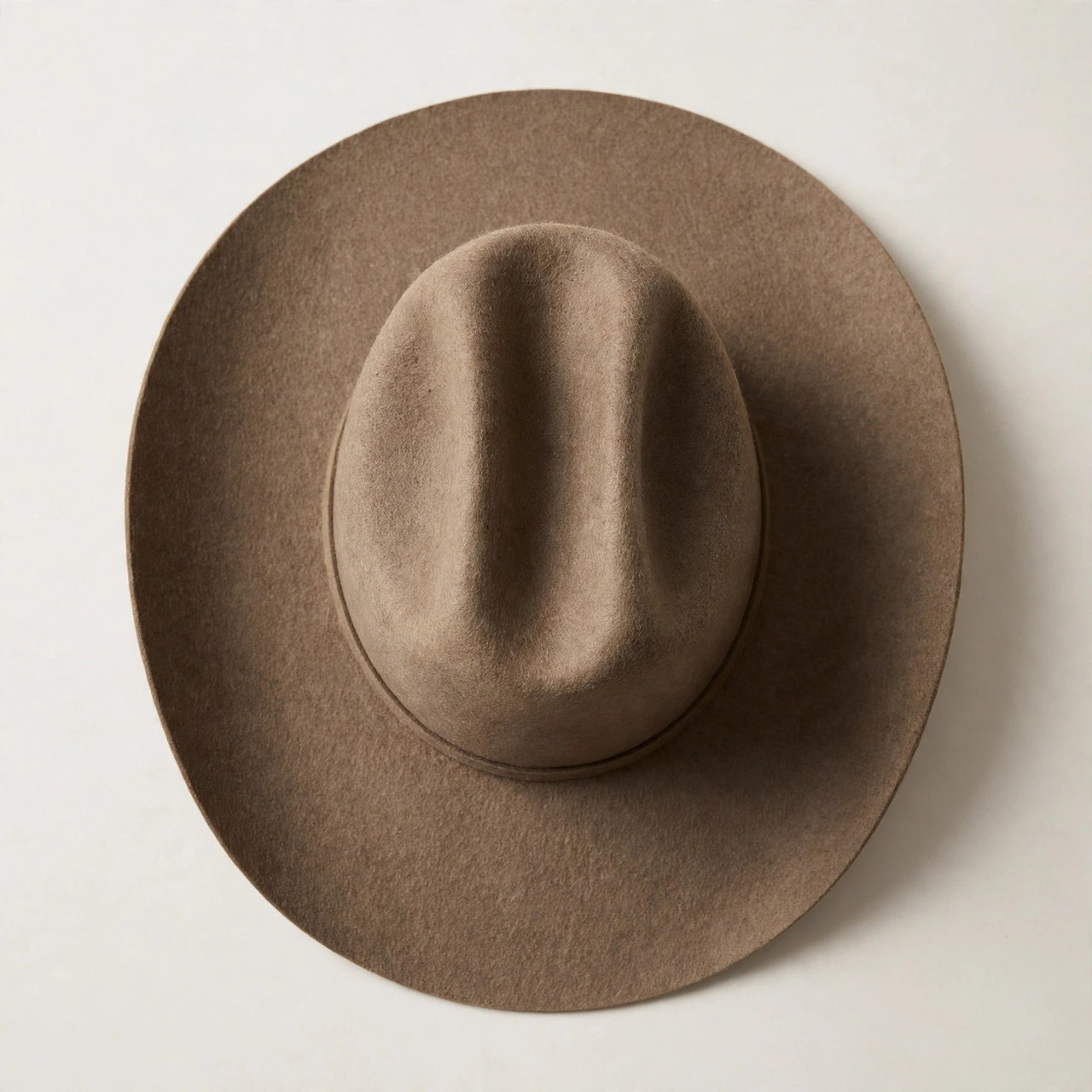
A men's cowboy hat is a wide-brimmed, high-crowned hat of felt or straw, shaped with a creased crown and a brim rolled at the sides - designed to shade the face and neck, shed rain off the shoulders, and signal the wearer from across a pasture. Like the boot, it is range equipment that became an emblem: the crown's height insulates the head with its own air pocket, and the brim is a personal roof. This guide covers the styles worth knowing, the fit points that decide comfort, the fabrics and construction that separate a good buy from a regret, and the simple care that makes the garment last.
Styles and Construction
Materials set the seasons and the price. Felt - wool at the entry level, fur blends (traditionally beaver) above - is the cool-weather hat, graded by an X system whose meaning varies by maker but rises with fur content and finishing. Straw and palm-leaf hats own summer: lighter, ventilated, and in palm's case remarkably rain-tolerant. Crowns carry named creases - cattleman, Gus, pinch front, telescope - and brims run three and a half to four inches for working shade. A leather or horsehair band, a bound or raw edge, and the maker's stamp inside the crown tell the quality story.
Size headwear by measurement: a tape just above the eyebrows and ears gives the circumference every honest chart uses. Then check the parts listings skip - the sweatband (leather molds and absorbs, fabric bands wash), crown structure (structured holds a silhouette, unstructured packs flat), and ventilation, which decides the seasons a hat can honestly serve. Store hats on a hook or form, brush them instead of washing when the material allows, and they repay the respect for years.
Fit and Sizing
Size by circumference in inches or centimeters - cowboy hats come in fitted sizes, and a hat that must be padded everywhere is the wrong size - then judge the shape on your head: the crown should not squeeze the temples, the brim should shade without hiding your eyes, and the hat should sit level. Ovality matters: most heads are long ovals, many hats are regular ovals, and a good hatter steams the fit to the head. Buy from a shop that shapes hats if you can; the shaping is half the product.
Judge a hat after a full minute of wear with your usual hair and glasses: correct fits settle, tight ones announce themselves at the temples, loose ones shift when you look down. The brim sits level, shading without pressing the ears, and the sweatband contacts all the way round. Between sizes, take the larger with sizing tape inside the band rather than the tight hat you will quietly stop wearing.
Wearing and Care
Handle a felt hat by the brim, never the crown - pinching the crease breaks fibers and the shape you paid for - and store it upside down on its crown or on a stand so the brim keeps its roll. Brush felt with the nap, keep straw out of soaking rain (palm excepted), and never leave any hat in a hot vehicle: heat shrinks sweatbands and warps brims faster than any weather. Re-shaping is a steamer's work - leave major surgery to a hatter.
Brush hats after wear so dust never settles in, spot-clean the sweatband - the part that actually soils - and air everything fully before storage. Felt and structured crowns are never machine-washed; washable caps go through gently, ideally in a cap form, and dry on something head-shaped. Store where air moves and shapes are respected, off hooks rather than under piles.
Common Questions
What do the X's in a cowboy hat mean?
X's grade felt quality within a maker's line - traditionally the proportion of beaver fur in the blend, today a relative scale each brand defines itself. A 10X from one maker is not a 10X from another. Use X's to compare hats inside one brand, and compare across brands by material, finish and the hat in hand.
Felt or straw cowboy hat?
Felt for cool weather, formality and longevity - a good fur-felt hat serves decades. Straw (and palm) for heat: lighter, ventilated and cheaper, with palm-leaf the rugged, rain-shedding work option. Working wardrobes in hot climates often run straw from spring to frost and keep one felt hat for dress and winter.
How should a cowboy hat fit?
Snug enough to stay in a wind and on a horse, never tight enough to leave a line and a headache: it should sit about one to two finger-widths above the ears, level, with contact all round the sweatband. A hat that needs constant pushing back is too big or the wrong oval; a hatter can steam and stretch a near fit into a true one.
More in Men's Clothes Guide C
Hat Stores and Stetsons
These hats are bought through cowboy hat stores, hat band stores and western hat stores, with Stetson named as the category’s reference maker. A cowboy hat is bought from people who can shape it, in a size measured in inches.
Looking for Men's Clothing Stores?
This guide explains men's cowboy hats. To browse where to buy, visit our men's clothing store directory, where you can find retailers that carry them.