Men's MMA Apparel Guide
MMA apparel is the clothing of mixed martial arts - the fight shorts, rash guards and training wear of the sport, and the branded casual clothing of the scene around it. The sport itself: mixed martial arts is a full-contact combat sport that allows both striking and grappling, standing and on the ground, using techniques from other combat sports and martial arts. As MMA became a mature sport, dedicated brands worked toward specializing clothes that improve an athlete's training and competition. This guide covers the apparel as a system - what is worn to compete, what is worn to train, and what merely declares the tribe.
Shop Men's MMA Apparel Now
Shop Men's MMA Apparel on Amazon Shop Men's MMA Apparel on eBayThe Amazon and eBay links on this page are affiliate links. If you make a purchase through them, Apparel Search may earn a commission.
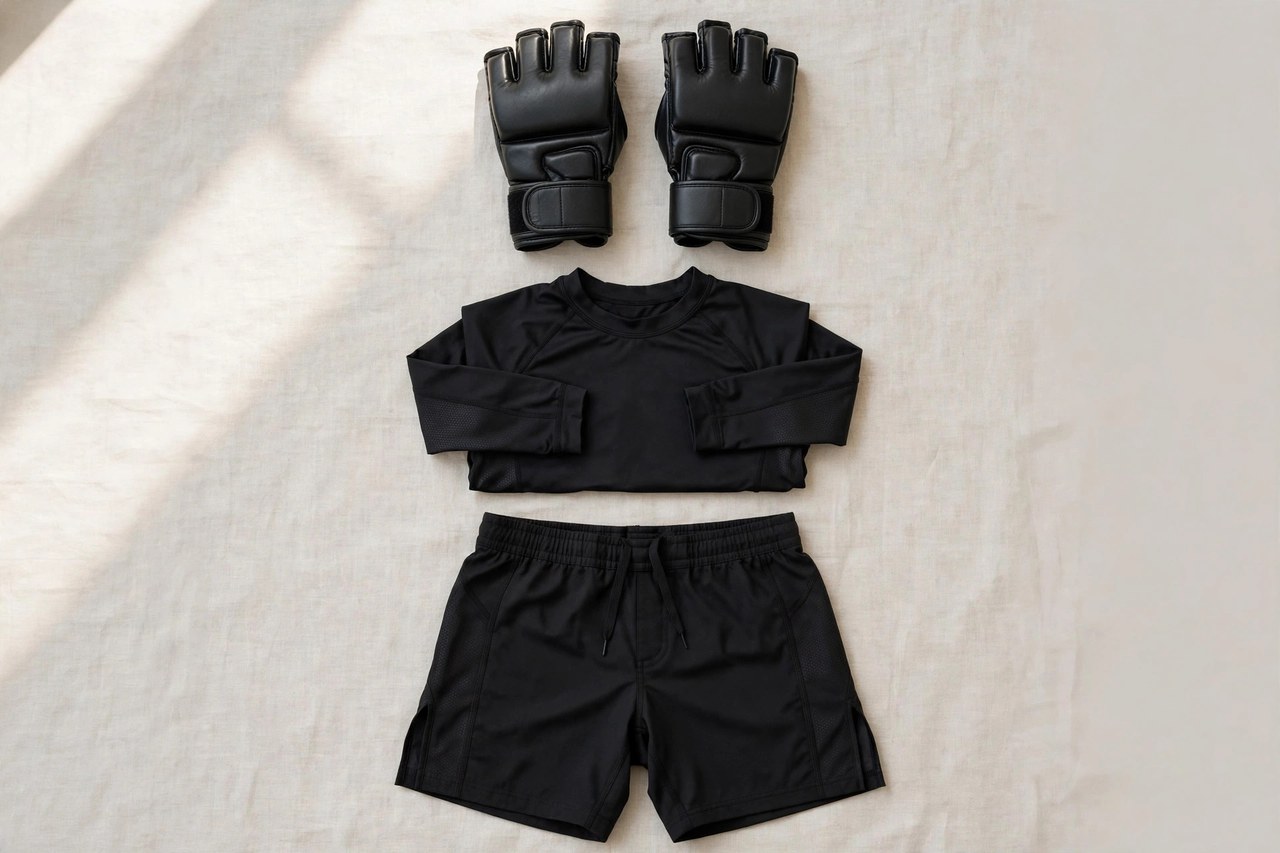
MMA apparel is the clothing of mixed martial arts - the fight shorts, rash guards and training wear of the sport, and the branded casual clothing of the scene around it. The sport itself: mixed martial arts is a full-contact combat sport that allows both striking and grappling, standing and on the ground, using techniques from other combat sports and martial arts. As MMA became a mature sport, dedicated brands worked toward specializing clothes that improve an athlete's training and competition. This guide covers the apparel as a system - what is worn to compete, what is worn to train, and what merely declares the tribe. This guide is built around the questions buyers actually ask: which style, which size, which fabric, and what will it look like after a year of real use - answered in order, with the trade-offs stated plainly.
Ruled in Competition, Free in Training
Competition apparel is ruled, and the rules shape the garments. Promotions typically require male fighters to wear shorts and compete bare-chested - precluding the gi or kimono that could assist or inhibit submission holds - with groin protection underneath the trunks and a mouthguard required. The need for flexibility in the legs combined with durability prompted the creation of specialized fighting shorts, which then spawned the wider range of MMA clothing and casual wear. Training apparel is freer: rash guards that protect skin from mat burn and manage sweat, spats and compression wear under shorts, grappling shorts without the pockets, zippers and hardware that could injure a partner, and the gym's rotation of tees and hoodies. Casual MMA apparel - the graphic tees, hoodies and caps of the fight brands - is the scene's street clothing, judged as ordinary apparel with a logo's allegiance.
The durable buying order is job, specification, budget - in that sequence. Decide what the garment must do, translate that into fiber, weight, construction and size numbers, and only then shop price. Read labels as specifications, inspect the garment inside out where finishing is unposed, and prefer the maker who publishes measurements to the one who publishes adjectives. A garment that matches your measurements, climate and laundry will be worn; one that misses any of the three becomes expensive storage.
Mobility Under Duress
Fit in fight apparel is mobility under duress. Fight shorts must allow the full grammar of the sport - high kicks, sprawls, deep squats, guard work - without the leg opening binding or the waistband migrating: the test is a round of movement, not a mirror. Four-way stretch panels and split seams exist precisely for this. Rash guards fit as a second skin, snug enough not to be grabbed or to bunch under a partner, long enough in the torso to stay over the waistband on the ground. Sizing follows the maker's chart by waist and weight class habits rather than fashion sizes; between sizes in shorts, take the one whose waistband closure - drawstring, hook-and-loop, or both - you trust at full stretch, because that closure is the garment's only job under fire.
Measure yourself once a year and keep the numbers - chest, waist, inseam, foot, head - because bodies drift gradually while size habits never do. Shop from measurements, try garments under real conditions (over layers, in your own shoes, late in the day for footwear), and be honest about alterations: lengths and small waist changes tailor beautifully; shoulders, rises and patterns are the garment you bought forever.
Wash After Every Session
Training apparel leads a laundry life as hard as any workwear: wash after every session, without exception - the hygiene of a shared mat sport is not negotiable - in cool water with the closures fastened, and dry away from high heat that tires elastane. Inspect shorts at the stretch panels and seams, rash guards at the underarms and waistband grip, because a failure mid-roll is a garment retired on the spot. Keep a rotation of at least two training sets so daily washing never forces a damp re-wear. Casual pieces follow ordinary clothing care - and ordinary honesty: the logo says you train; the rotation, washed and ready, is what proves it.
Five minutes when a garment comes off - shake it out, hang or fold it correctly, note the stain and the loose button - prevents most of the damage later blamed on quality. Keep a small kit where the clothes live: brush, lint roller, conditioner suited to your leathers, black, navy and grey thread. Clothing rarely dies at once; it fades by small neglects, and small attentions reverse the process at the same pace.
Common Questions
What do male MMA fighters wear in competition?
Shorts, and little else: most promotions and athletic commissions require male fighters to compete bare-chested in fight shorts, with a groin protector underneath and a mouthguard in - the gi or kimono is precluded because it could assist or inhibit submission holds. The Unified Rules give clear guidelines on the shorts themselves, and those rules became the benchmark apparel companies design to.
What is the difference between MMA apparel and MMA clothing?
In our directory's usage, apparel is the scene's full wardrobe word - competition gear, training wear and the branded casual clothing of the fight world together - while the MMA clothing guide beside this one treats the garments themselves under the sport's rules. In the wider trade the words are near-synonyms; the practical sort is by use: what you compete in, what you train in, and what you wear to declare the tribe.
What should MMA training apparel never have?
Anything that can injure a partner or catch a limb: pockets, zippers, buttons, exposed drawstring ends and loose fabric on grappling garments. Rash guards and training shorts are built smooth for exactly this reason. Check seams and closures before sessions, keep nails and kit trimmed to the same philosophy, and retire pieces whose stretch panels or seams have failed - on the mat, your clothing is part of your partner's safety equipment.
More in Men's Clothes Guide M
The Sport and Its Clothing
Mixed martial arts is a full-contact combat sport that allows both striking and grappling, both standing and on the ground, using techniques from other combat sports and martial arts; as the sport matured, dedicated brands worked toward specializing clothes that improve an athlete’s training and competition. Promotions typically require male fighters to wear shorts and compete bare-chested — precluding the gi or fighting kimono — with groin protectors underneath their trunks and mouthguards required; the need for flexibility in the legs combined with durability prompted the creation of the fighting-shorts brands, which then spawned the wider range of MMA clothing and casual wear. The Unified Rules’ guidelines on shorts became the benchmark the apparel companies design to. The men’s athletic apparel guide is linked below.
Looking for Men's Clothing Stores?
This guide explains men's mma apparel. To browse where to buy, visit our men's clothing store directory, where you can find retailers that carry them.