Men's Organic T-shirts Guide
An organic t-shirt is a tee sewn from certified organic fiber - usually cotton - grown without toxic insecticides, herbicides or fungicides. The word organic on a shirt is not a style claim but a farming and certification claim: to gain organic certification, a farm must be inspected by an accredited certification organization using strict national or international standards, and the farmers raising organic fiber follow standards that nurture the soil or the animal it comes from. This guide is about reading that claim properly - what the certifications do and do not cover - and then buying a good t-shirt underneath it.
Shop Men's Organic T-shirts Now
Shop Men's Organic T-shirts on Amazon Shop Men's Organic T-shirts on eBayThe Amazon and eBay links on this page are affiliate links. If you make a purchase through them, Apparel Search may earn a commission.
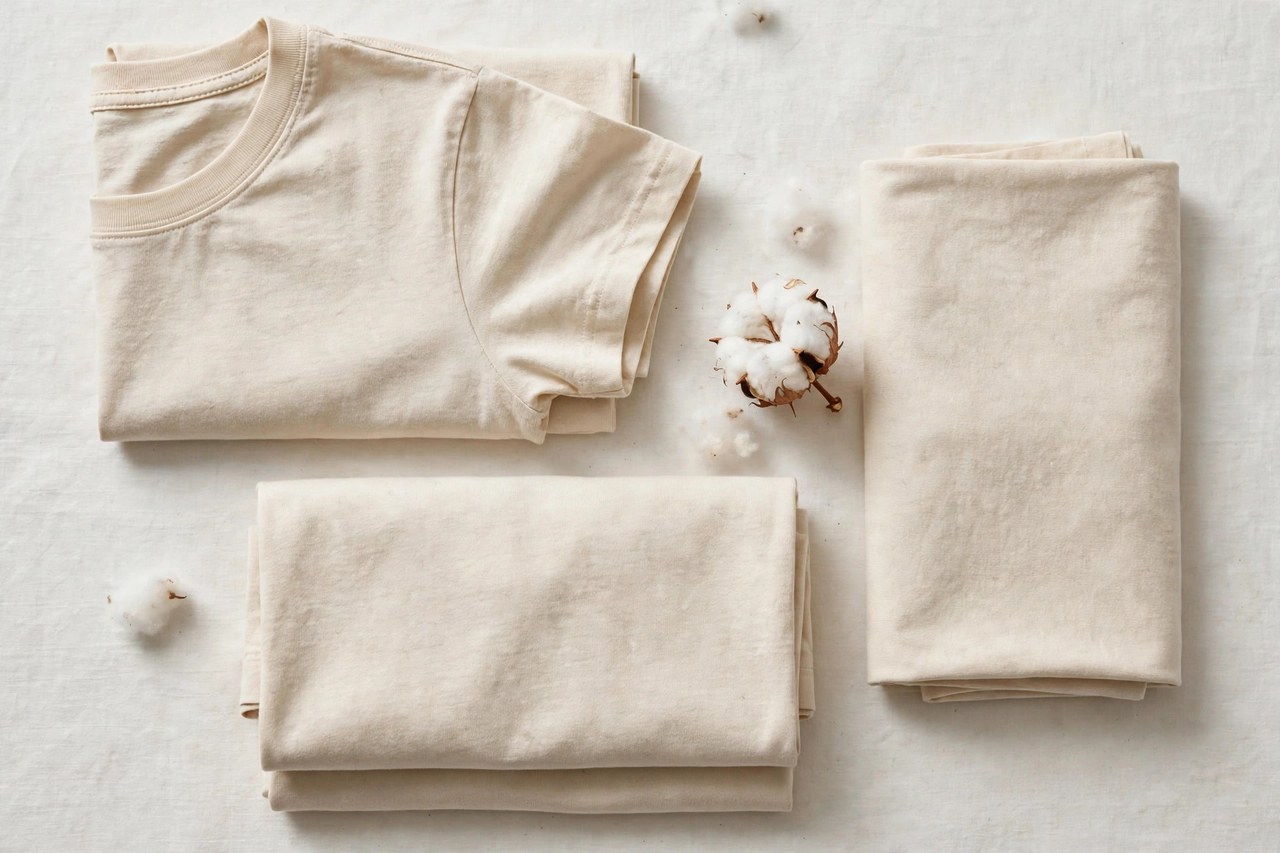
An organic t-shirt is a tee sewn from certified organic fiber - usually cotton - grown without toxic insecticides, herbicides or fungicides. The word organic on a shirt is not a style claim but a farming and certification claim: to gain organic certification, a farm must be inspected by an accredited certification organization using strict national or international standards, and the farmers raising organic fiber follow standards that nurture the soil or the animal it comes from. This guide is about reading that claim properly - what the certifications do and do not cover - and then buying a good t-shirt underneath it. This guide covers the styles worth knowing, the fit points that decide comfort, the fabrics and construction that separate a good buy from a regret, and the simple care that makes the garment last.
NOP for the Fiber, GOTS for the Shirt
Learn the two standards, because they govern different halves of the shirt. The U.S. National Organic Program (NOP), housed within the USDA Agricultural Marketing Service, sets the standards for the raw fiber: as the Organic Trade Association summary puts it, certified organic fiber must be grown to NOP standards without toxic and persistent pesticides, synthetic fertilizers or genetic engineering, verified by USDA-accredited third-party certifiers. But NOP regulations cover raw agricultural commodities such as cotton and wool - they do not set processing or manufacturing standards for the finished t-shirt. That second half is the Global Organic Textile Standard (GOTS), recognized as the world's leading processing standard for textiles made from organic fibres, defining environmental criteria along the whole supply chain plus social criteria. A shirt whose claim rests on GOTS covers farm to finish; one that says only 'made with organic cotton' may cover the fiber alone.
A top earns its keep in finishing: seams that hang straight and stay even at eight to twelve stitches per inch, collars and plackets that lie flat after washing, buttons sewn with thread shanks so they sit in their holes without pulling. Hold the cloth to the light - a tight, even weave or knit outwears a loose one at the same labeled weight, and pattern pieces cut on grain keep the garment from twisting around your body by the third wash.
Fit After the First Wash
Fit an organic tee exactly as you would any t-shirt, with one fiber-specific caution: organic cotton is often less aggressively pre-shrunk and less chemically finished than conventional cotton, so its first-wash behavior matters more. Check the maker's shrinkage note, and if the shirt is garment-dyed or undyed natural - both common in this category - expect a little more movement in length on the first cool wash. Shoulders and chest follow the standard rules: seam at the shoulder bone, chest closing without pull, untucked hem around mid-fly. Slub and textured organic jerseys, a specialty of the category, drape softer than flat jersey and read more casual; smooth combed organic jersey is the version that passes under a blazer. Buy the size that fits after the first wash, not the size that fits in the shop mirror.
Fit tops shoulders and chest first, because tailors cannot cheaply move either: the shoulder seam ends at the shoulder bone, the chest closes without pulling, and both arms raise without the hem escaping the waistband. Tucked lengths must stay tucked sitting; untucked lengths should end mid-fly. Sleeves are the cheap alteration, shoulders the permanent one - reject a wrong shoulder for any reason, forgive a long sleeve for many.
Gentle Laundry for an Unarmored Fiber
Organic cotton asks for the gentle wash its farming promised: cool or warm water, mild detergent, no chlorine bleach (oxygen brighteners are the category's usual substitute), and line drying where you can - the fiber was grown without the chemical finishes that armor conventional cotton, and harsh laundry undoes the softness you paid for. Undyed and naturally colored shirts fade toward their fiber tones with sun and washing, which wearers count as patina rather than damage; dyed organic shirts hold color best washed inside out and dried out of direct sun. Repair rather than replace where you can - the whole point of the category is a longer, lower-impact life, and a resewn hem seam serves it better than a replacement shirt does.
Launder tops by the label with three defaults: cool or warm water to protect color and trims, dark and printed pieces inside out, and low or line drying, which is the largest single lever on a shirt's lifespan. Fasten buttons and zips before washing to protect the whole load, treat stains before the dryer can set them, and store knits folded so their shoulders keep the shape they were knitted with.
Common Questions
What does 'organic' actually certify on a t-shirt?
The fiber's farming, first of all. To gain organic certification, a farm must be inspected by an accredited certification organization using strict national or international standards, and organic fiber farmers do not use toxic insecticides, herbicides or fungicides, following standards that nurture the soil or animal the fiber comes from. Under the U.S. National Organic Program, certified organic fiber must be grown without toxic and persistent pesticides, synthetic fertilizers or genetic engineering, verified by USDA-accredited third-party certifiers.
What is the difference between USDA organic and GOTS on a shirt label?
Scope. USDA's National Organic Program regulates the production of raw agricultural commodities such as cotton and wool, but its regulations do not include processing or manufacturing standards for finished textile products like t-shirts. The Global Organic Textile Standard (GOTS) is the processing standard: recognized as the world's leading standard for textiles made from organic fibres, it sets environmental criteria along the entire organic textile supply chain and requires compliance with social criteria as well. GOTS on the label covers the shirt from fiber to finish.
Do organic cotton t-shirts shrink or fade differently?
Often, yes - a little. Organic cotton is commonly less pre-shrunk and less chemically finished than conventional cotton, so expect slightly more first-wash movement, especially in length, and follow the maker's shrinkage note when choosing a size. Undyed and naturally colored organic shirts also soften toward their natural fiber tones with washing and sun, which most wearers treat as patina. Cool washes, mild detergent and line drying keep both effects slow and even.
More in Men's Clothes Guide O
Certification, the NOP and GOTS
To gain organic certification, a farm must have been inspected by an accredited certification organization using strict national or international standards. Farmers raising organic fiber follow standards that nurture the soil or animal from which it comes and do not use toxic insecticides, herbicides or fungicides. According to the Organic Trade Association (as of November 2016), “Certified organic fiber must be grown according to U.S. National Organic Program (NOP) standards without the use of toxic and persistent pesticides, synthetic fertilizers, or genetic engineering. USDA-accredited third-party certification organizations verify that organic producers (farmers) use only permissible methods and materials allowed under the NOP organic regulations. While USDA NOP regulations cover the production of raw agricultural commodities such as cotton and wool, the regulations do not include specific processing or manufacturing standards for textile products, such as t-shirts.” The National Organic Program (NOP) is a regulatory program housed within the USDA Agricultural Marketing Service; it develops national standards for organically-produced agricultural products, assuring consumers that products with the USDA organic seal meet consistent, uniform standards, and its regulations do not address food safety or nutrition. The Global Organic Textile Standard (GOTS) is recognized as the world’s leading processing standard for textiles made from organic fibres: it defines high-level environmental criteria along the entire organic textiles supply chain and requires compliance with social criteria as well. See also the organic clothing page and the types of t-shirts page, and the three bodies are listed in References.
More to Explore on Apparel Search
References & Further Reading
Looking for Men's Clothing Stores?
This guide explains men's organic t-shirts. To browse where to buy, visit our men's clothing store directory, where you can find retailers that carry them.