Men's Skate Shoes Guide
Men's skate shoes are low-cut sneakers engineered for skateboarding: flat, grippy soles that read the board through the shoe, suede and canvas uppers armored against grip tape, and padding placed where boards, pavement and the skater's own feet collide. They look like casual sneakers because casual sneakers largely descend from them - but every panel of a real skate shoe answers a specific punishment that ordinary trainers never meet.
Shop Men's Skate Shoes Now
Shop Men's Skate Shoes on Amazon Shop Men's Skate Shoes on eBayThe Amazon and eBay links on this page are affiliate links. If you make a purchase through them, Apparel Search may earn a commission.
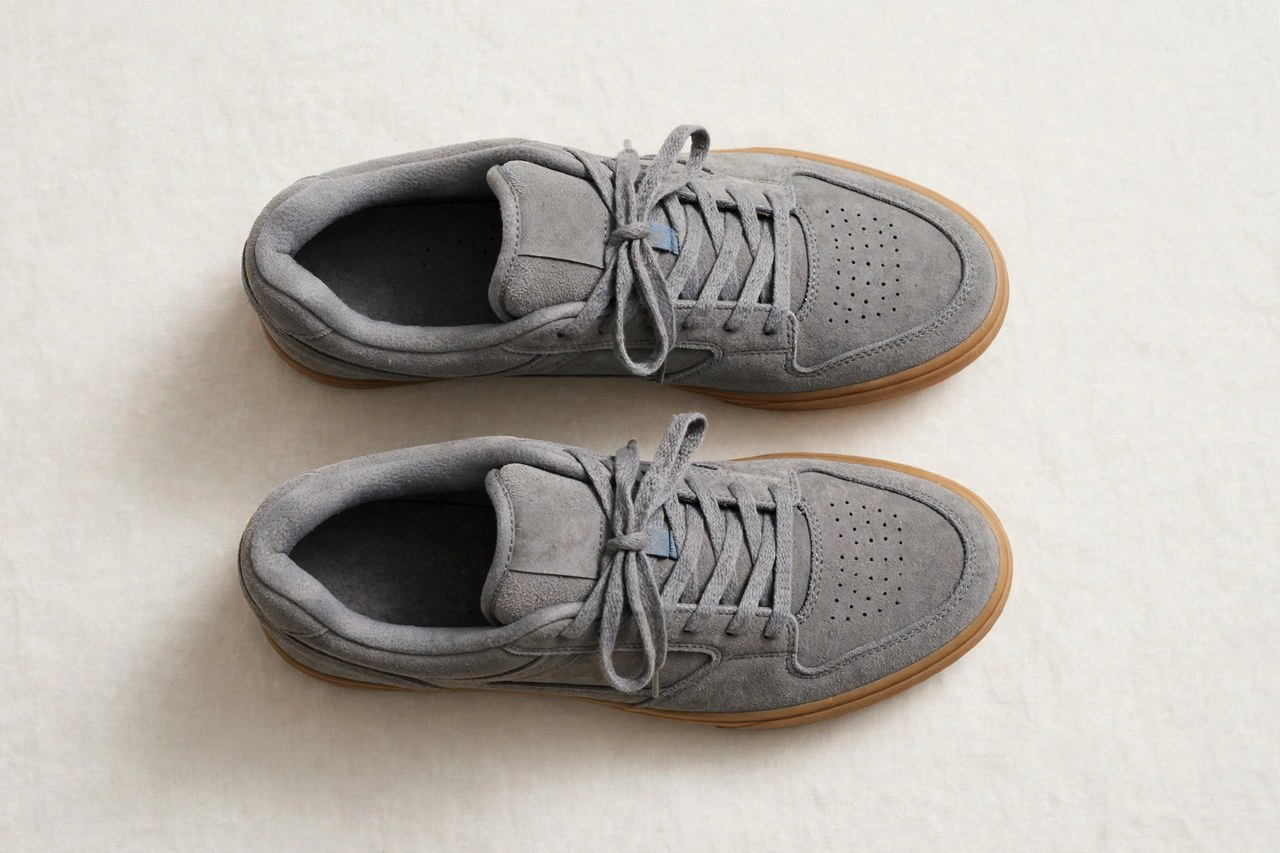
Men's skate shoes are low-cut sneakers engineered for skateboarding: flat, grippy soles that read the board through the shoe, suede and canvas uppers armored against grip tape, and padding placed where boards, pavement and the skater's own feet collide. They look like casual sneakers because casual sneakers largely descend from them - but every panel of a real skate shoe answers a specific punishment that ordinary trainers never meet. This guide is built around the questions buyers actually ask: which style, which size, which fabric, and what will it look like after a year of real use - answered in order, with the trade-offs stated plainly.
Soles, Suede and the Abrasion Map
The sole is the instrument: vulcanized rubber or cupsole construction with a flat, herringbone or waffle tread that maximizes contact and friction on grip tape, and a board-feel trade-off the skater chooses - thin vulc soles transmit every nuance and little cushioning, cupsoles protect heels on drops at the cost of feel. Uppers are abrasion maps: suede in the ollie patch where the shoe drags the board's nose, reinforced toe caps, double stitching on the panels that tear first, and hidden lace loops or ghillie systems that keep laces alive past the first week. Padding concentrates at the heel collar and tongue; insole foam (or drop-in PU midsoles) absorbs the landings the sole cannot.
Judge footwear by attachment and compound: cemented soles are light and affordable, stitched or welted constructions cost more and can be repaired, and the outsole rubber decides grip against longevity - soft compounds bite, hard compounds endure. Linings decide comfort over hours, removable insoles decide whether your own supports can come along, and honest weight decides whether the pair disappears on the foot or taxes every mile of the day.
Fit and Sizing
Skate shoes fit close: the foot must not swim, because control is transmitted through the shoe and a loose heel means a late flick. Buy your true measured size with a snug - not crushing - wrap, toes near the end without pressing, and expect suede to relax a quarter size across the first sessions. Skaters who wear ankle braces or thick socks size accordingly. Width matters more than in running shoes; a foot that spills over the sole's edge loses the board feel the shoe exists to give.
Fit footwear late in the day in the socks you will actually wear, with roughly a thumb's width beyond the longest toe, the heel held without lift, and the foot's widest point meeting the shoe's widest point. Sizes are unstandardized between makers - trust your measured length and width over the printed number, and require no break-in argument: a shoe that needs excuses in the shop delivers them on the road.
Wearing and Care
Rotate two pairs if you skate daily, brush suede back to life, and let shoes dry fully between sessions - a skate shoe's foam and glue die young in a damp bag. Retire them by function, not looks: when the ollie hole reaches the sock or the sole's tread is bald at the ball, board control is already gone. Many skaters patch suede with shoe-repair adhesive to stretch a favorite pair - an honorable tradition the category quietly designs for.
Rotation is the first care rule: a day of rest between wears lets linings dry and cushioning rebound, and it doubles a rotation's life compared with daily wear of one pair. Clean after use, dry at room temperature away from radiators, hold shape with trees or paper, and condition leather on a schedule rather than when it looks thirsty. Reproof weather finishes when water stops beading, and resole stitched footwear before the wear reaches the welt.
Common Questions
Vulcanized or cupsole skate shoes?
Board feel versus impact protection. Vulcanized soles are thin and flexible - maximum connection to the board, minimum cushioning - and suit technical flat-ground skating. Cupsoles are thicker, stitched and cushioned, protecting heels on stairs and drops at the price of some feel. Most skaters own both instincts across a year; beginners who fall and land heavily usually thank a cupsole while they learn.
Why are skate shoes made of suede?
Suede survives grip tape longer than any comparably priced material. Every ollie drags the shoe's side across an abrasive surface like sandpaper; suede's napped leather abrades gradually and evenly, while canvas shreds and smooth leather scuffs through. Synthetic suedes and coated leathers compete in modern shoes, and canvas survives in vegan and summer models - with a shorter working life accepted as the trade.
How long do skate shoes last?
For a regular skater, weeks to a few months of sessions - skate shoes are consumables by design, consumed at the ollie patch, the toe and the sole's ball. Rotating pairs, patching suede early and choosing cupsoles for high-impact skating all extend life. When tread is smooth where your front foot pivots, replacement is a control decision, not a cosmetic one.
More in Men's Clothes Guide S
Barefoot Surfers and the Sticky Sole
An important aspect of skating is being able to stay on top of the skateboard, which is why skating in high heels is strongly discouraged. Early skateboarders generally rode barefoot, preferring direct foot-to-board contact - because early skateboarders were actually surfers - and one of the early leading trends of the subculture was the sticky-soled slip-on skate shoe, popularized by Sean Penn’s skateboarding character in the film Fast Times at Ridgemont High.
Looking for Men's Clothing Stores?
This guide explains men's skate shoes. To browse where to buy, visit our men's clothing store directory, where you can find retailers that carry them.