Men's Shapewear Guide
Men's shapewear is firm-compression underwear and undershirts that smooth the midsection and posture lines under clothing: compression tanks and tees, shaping briefs and boxer briefs, and firmer control garments with zoned panels. This guide is strictly product-focused - compression levels, panel construction, honest expectations, sizing (shapewear's great trap), and care for high-elastane garments.
Shop Men's Shapewear Now
Shop Men's Shapewear on Amazon Shop Men's Shapewear on eBayThe Amazon and eBay links on this page are affiliate links. If you make a purchase through them, Apparel Search may earn a commission.
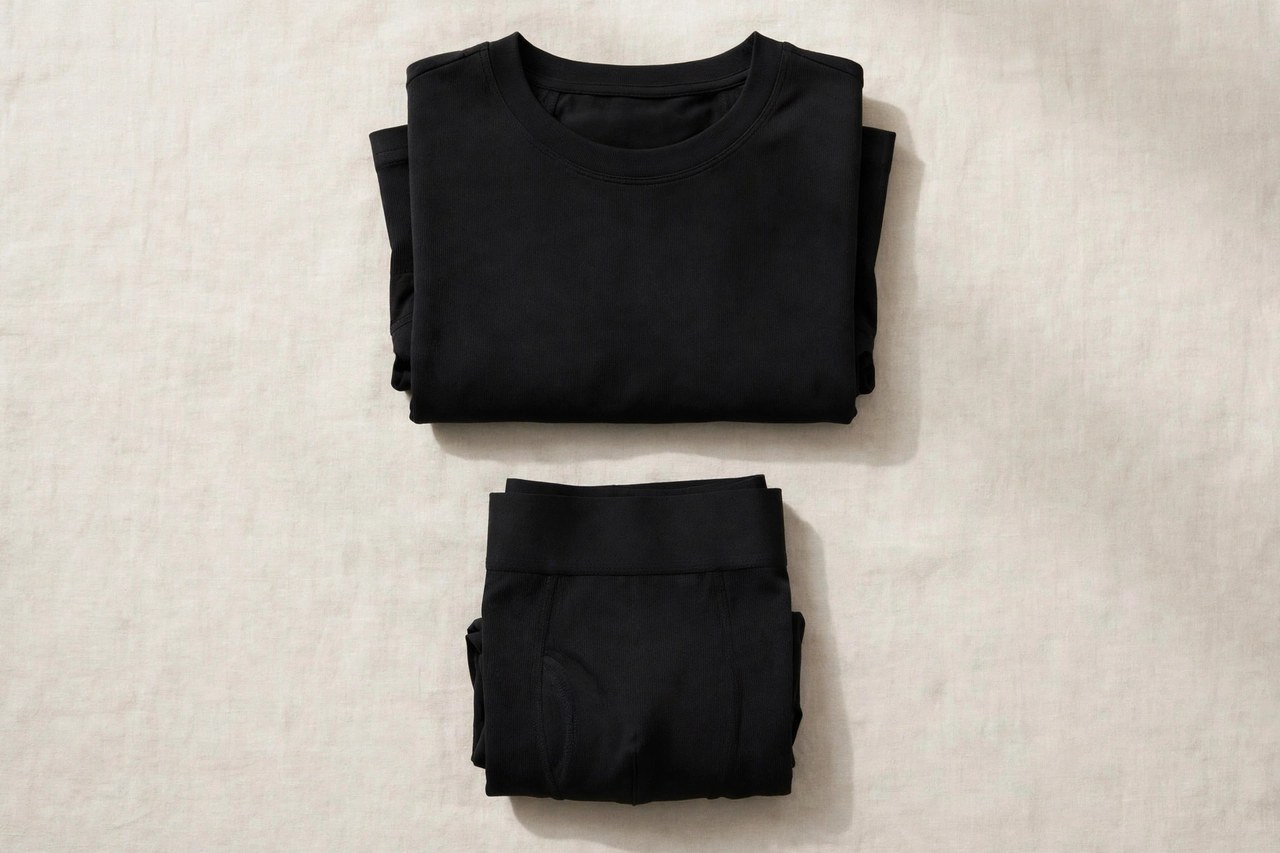
Men's shapewear is firm-compression underwear and undershirts that smooth the midsection and posture lines under clothing: compression tanks and tees, shaping briefs and boxer briefs, and firmer control garments with zoned panels. This guide is strictly product-focused - compression levels, panel construction, honest expectations, sizing (shapewear's great trap), and care for high-elastane garments. This guide walks through the choices that matter - style, fit, fabric and finish - with the practical detail a product listing rarely gives you, and closes with the care habits that keep the garment in service.
Styles and Construction
Compression is graded, and the grade is the product. Light compression (a firm undershirt or shaping brief) smooths a shirt's line and reminds posture; medium adds zoned panels - firmer at the abdomen, lighter at the chest and seat - and visibly changes a silhouette under knitwear; firm control uses doubled panels and high elastane percentages for occasions. Construction tells the grade honestly: look for panel maps in the product photos, elastane percentages on the label (shapewear runs far higher than ordinary underwear's two to five percent), and length - compression tops must anchor below the waistband or they roll and ride, which is why better designs are cut long or bodysuit-style for formal wear. Set expectations as the honest makers do: shapewear redistributes and smooths; it does not remove, and a garment claiming inches is describing its tightest setting, not a recommendation.
The durable buying order is job, specification, budget - in that sequence. Decide what the garment must do, translate that into fiber, weight, construction and size numbers, and only then shop price. Read labels as specifications, inspect the garment inside out where finishing is unposed, and prefer the maker who publishes measurements to the one who publishes adjectives. A garment that matches your measurements, climate and laundry will be worn; one that misses any of the three becomes expensive storage.
Fit and Sizing
Sizing is where shapewear purchases fail: the instinct to size down for more effect produces rolling, breathing restriction and a shorter garment life, and makers' charts are calibrated for it - buy your measured size and let the panel engineering do the work. Judge a piece after an hour's wear, not a minute's mirror: light compression should be forgettable; medium should be noticeable but breathable; anything that limits breathing or digestion is the wrong size or grade, full stop.
Measure yourself once a year and keep the numbers - chest, waist, inseam, foot, head - because bodies drift gradually while size habits never do. Shop from measurements, try garments under real conditions (over layers, in your own shoes, late in the day for footwear), and be honest about alterations: lengths and small waist changes tailor beautifully; shoulders, rises and patterns are the garment you bought forever.
Wearing and Care
High-elastane garments live and die by care: wash cool, skip softener (it coats compression fibers), and line dry or dry low - tumble heat is the fastest known way to turn shapewear into ordinary underwear. Rotate pieces so elastane rests a day between wears. Retire a piece when its morning compression no longer survives to midday: the smoothing was elastane's, and it has left.
Five minutes when a garment comes off - shake it out, hang or fold it correctly, note the stain and the loose button - prevents most of the damage later blamed on quality. Keep a small kit where the clothes live: brush, lint roller, conditioner suited to your leathers, black, navy and grey thread. Clothing rarely dies at once; it fades by small neglects, and small attentions reverse the process at the same pace.
Common Questions
Does men's shapewear actually work?
For its real job, yes: a well-fitted compression top or shaping brief smooths the line of the abdomen and back under shirts and knitwear and improves how clothes hang, which is what most buyers want it for. It does not change the body underneath, and it should never hurt, restrict breathing or be worn a size small for extra effect - that path produces rolling edges and misery, not more smoothing.
How do I choose a compression level?
Start light. A firm shaping undershirt or brief covers most everyday needs invisibly and comfortably. Move to medium zoned compression for fitted knitwear, photographs and formal occasions. Firm control is an occasional tool, worn for hours, not days. If you have any circulatory or post-surgical consideration, the choice belongs with your clinician, not a size chart.
Why does my compression shirt ride up?
Length and anchoring: a compression top that ends at the waistband has nothing holding it against the abdomen's taper, so it migrates up. Choose designs cut long enough to tuck firmly into trousers, or bodysuit styles for formal wear; confirm the size is not too large (a loose compression garment grips nothing). A silicone or gripper hem, where fitted, is the other legitimate fix.
More in Men's Clothes Guide U
Background and History
Yes, men care about their shape. A foundation garment (also known as shapewear or shaping underwear) is an undergarment designed to temporarily alter the wearer's body shape, to achieve a more fashionable or healthy looking figure. The function of a foundation garment is generally to smooth or control the display of ones body. Most shapewear is technically an undergarment because they are typically worn under clothing. Garments may be categorized according to level or shape control offered - for instance, light, medium or firm. The simplest foundation is a body-liner or bodysuit, which are an ultra-light-weight leotards, and offers a light touch of smoothing. These are available in a unitard style (shortened legs) or a camisole-leotard style. A foundation garment may be worn for a specific outfit. Being underwear, the foundation garment should not be visible under the outerwear, unless the exposure is intended It is always a fabulous day to learn more about men's fashion. Men's Clothing Directory: Men's Clothes Guide U Men's Clothes Guide A-G Men's Clothes Guide
Looking for Men's Clothing Stores?
This guide explains men's shapewear. To browse where to buy, visit our men's clothing store directory, where you can find retailers that carry them.