Men's Vintage Suits Guide
Vintage suits offer men the tailoring, fabrics, and proportions of earlier decades, from broad-shouldered, fuller cuts to the slimmer styles of other periods. Many older suits use heavyweight wool, half or full canvas construction, and hand-finished details that are expensive to reproduce today. Lapel width, button stance, trouser rise, and pleats all help place a suit in its era. A sound vintage suit, properly fitted, delivers formal and business clothing with character that new off-the-rack suits seldom match.
Shop Men's Vintage Suits Now
Shop Men's Vintage Suits on Amazon Shop Men's Vintage Suits on eBayThe Amazon and eBay links on this page are affiliate links. If you make a purchase through them, Apparel Search may earn a commission.
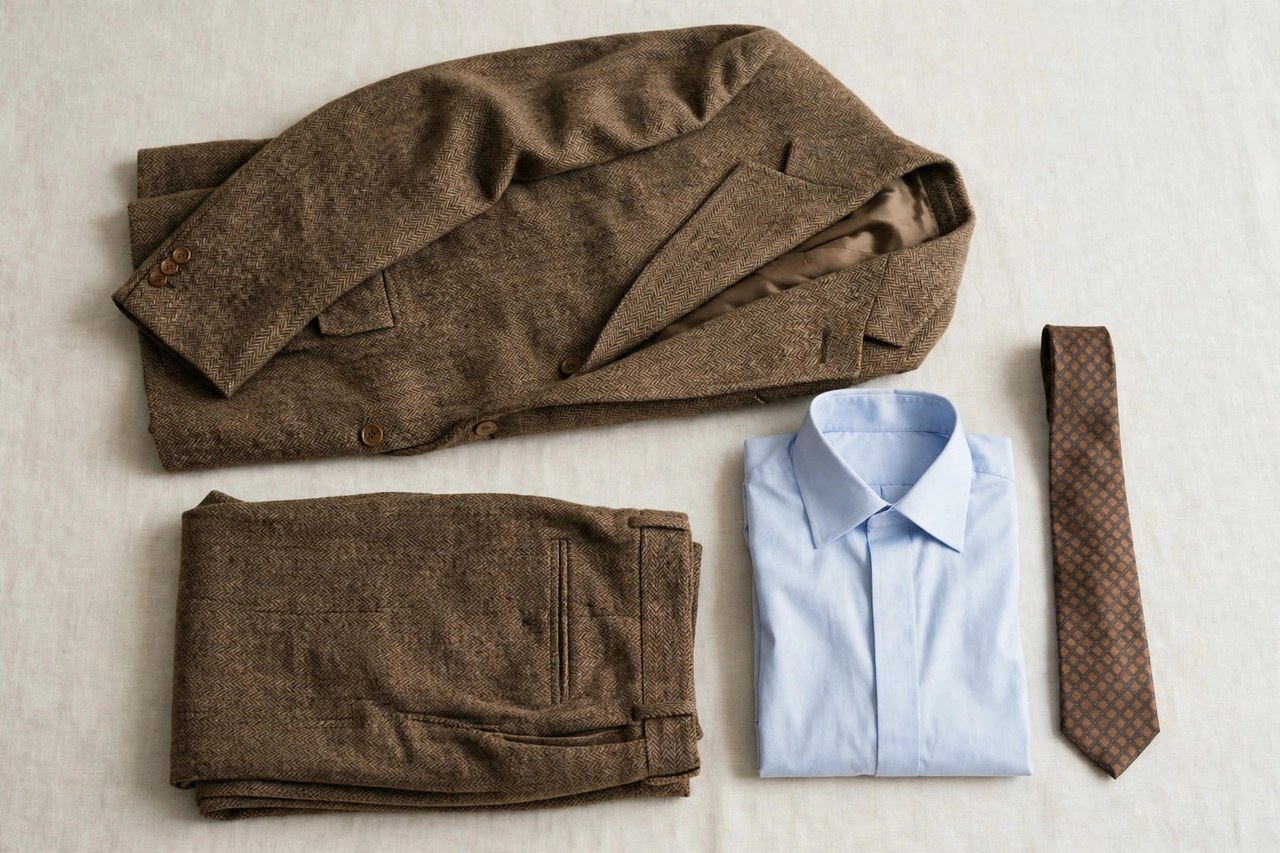
Vintage suits offer men the tailoring, fabrics, and proportions of earlier decades, from broad-shouldered, fuller cuts to the slimmer styles of other periods. Many older suits use heavyweight wool, half or full canvas construction, and hand-finished details that are expensive to reproduce today. Lapel width, button stance, trouser rise, and pleats all help place a suit in its era. A sound vintage suit, properly fitted, delivers formal and business clothing with character that new off-the-rack suits seldom match. This guide is built around the questions buyers actually ask: which style, which size, which fabric, and what will it look like after a year of real use - answered in order, with the trade-offs stated plainly.
Styles and Construction
Inspect jacket and trousers together for matching color, since pieces fade or were cleaned separately over the years. Check wool for moth holes, shine at the seat and elbows, and thinning at trouser cuffs and inner thighs. Examine lining, pocket bags, buttonholes, and the collar underside, and confirm all original buttons are present. Ask whether the suit was altered, let out, or shortened, and whether trousers have seam allowance remaining for any adjustment you will need.
The durable buying order is job, specification, budget - in that sequence. Decide what the garment must do, translate that into fiber, weight, construction and size numbers, and only then shop price. Read labels as specifications, inspect the garment inside out where finishing is unposed, and prefer the maker who publishes measurements to the one who publishes adjectives. A garment that matches your measurements, climate and laundry will be worn; one that misses any of the three becomes expensive storage.
Fit and Sizing
Fit the jacket shoulders first, because they are the hardest and costliest element to alter, then check chest, jacket length, and sleeve length. Vintage trousers usually sit higher, so judge the rise seated as well as standing. Compare measurements with your best suit rather than trusting the size label, which reflects older standards. A tailor can refine waist, sleeves, and hems, but cannot successfully rebuild shoulders or lengthen a jacket that is too short.
Measure yourself once a year and keep the numbers - chest, waist, inseam, foot, head - because bodies drift gradually while size habits never do. Shop from measurements, try garments under real conditions (over layers, in your own shoes, late in the day for footwear), and be honest about alterations: lengths and small waist changes tailor beautifully; shoulders, rises and patterns are the garment you bought forever.
Wearing and Care
Have vintage suits cleaned by a specialist familiar with older fabrics and canvassed construction, and only when soiled rather than after every wear. Brush wool after use, air the suit on a sturdy shaped hanger, and rest it between wearings. Store jacket and trousers together in a breathable bag with moth protection, away from sunlight and damp. Press gently or steam with care, avoiding hard creases pressed into fragile, aged cloth or linings.
Five minutes when a garment comes off - shake it out, hang or fold it correctly, note the stain and the loose button - prevents most of the damage later blamed on quality. Keep a small kit where the clothes live: brush, lint roller, conditioner suited to your leathers, black, navy and grey thread. Clothing rarely dies at once; it fades by small neglects, and small attentions reverse the process at the same pace.
Common Questions
What matters most when fitting a vintage suit?
The jacket shoulders matter most because they are impractical to alter, followed by chest and overall length. Compare seller measurements with a suit you own, allow for the higher trouser rise typical of older tailoring, and budget for simple refinements such as hemming and waist adjustment rather than expecting structural changes.
How can I check a vintage suit for moth damage?
Examine wool in bright light, especially under the collar, inside pleats, along folds, and around the trouser seat, where moth holes cluster and hide. Small holes can sometimes be rewoven, but widespread damage is costly. Ask the seller directly about moth history and storage, and inspect photographs of lining and folds closely.
Can the jacket and trousers be worn separately?
Yes, especially if the cloth has enough texture or pattern to stand alone, though a plain suit jacket can look like an orphaned half of a suit. Check that both pieces still match in color if you plan to reunite them, clean them together, and store the full suit as one set.
More in Men's Clothes Guide V
Background and History
What is a suit? Glad you asked. A suit is a set of garments made from the same cloth, usually consisting of at least a jacket and trousers. Vintage suits are suits from a past era. The current styles were founded in the industrial revolution during the late 18th century that sharply changed the elaborately embroidered and jewelled formal clothing into the simpler clothing of the British Regency period, which gradually evolved to the stark formality of the Victorian era. It was in the search for more comfort that the loosening of rules gave rise in the late 19th century to the modern lounge suit. The main four colors for suits worn in business are black, light grey, dark grey, and navy, either with or without patterns. In particular, grey flannel suiting has been worn very widely since the 1930s. With the slow decline of formal wear since approximately the 1950s and the rise of casual wear in 1960s allowed the black suit to return to fashion.
Looking for Men's Clothing Stores?
This guide explains men's vintage suits. To browse where to buy, visit our men's clothing store directory, where you can find retailers that carry them.