Men's Wide Shoes Guide
Men's wide shoes are shoes built on a wider last - the mold that gives a shoe its shape - so the forefoot, instep and toe box have genuinely more room rather than the same shoe in a longer size. For men whose feet spread, swell or simply measure wide, a proper wide fitting is the difference between shoes you wear and shoes you endure.
Shop Men's Wide Shoes Now
Shop Men's Wide Shoes on Amazon Shop Men's Wide Shoes on eBayThe Amazon and eBay links on this page are affiliate links. If you make a purchase through them, Apparel Search may earn a commission.
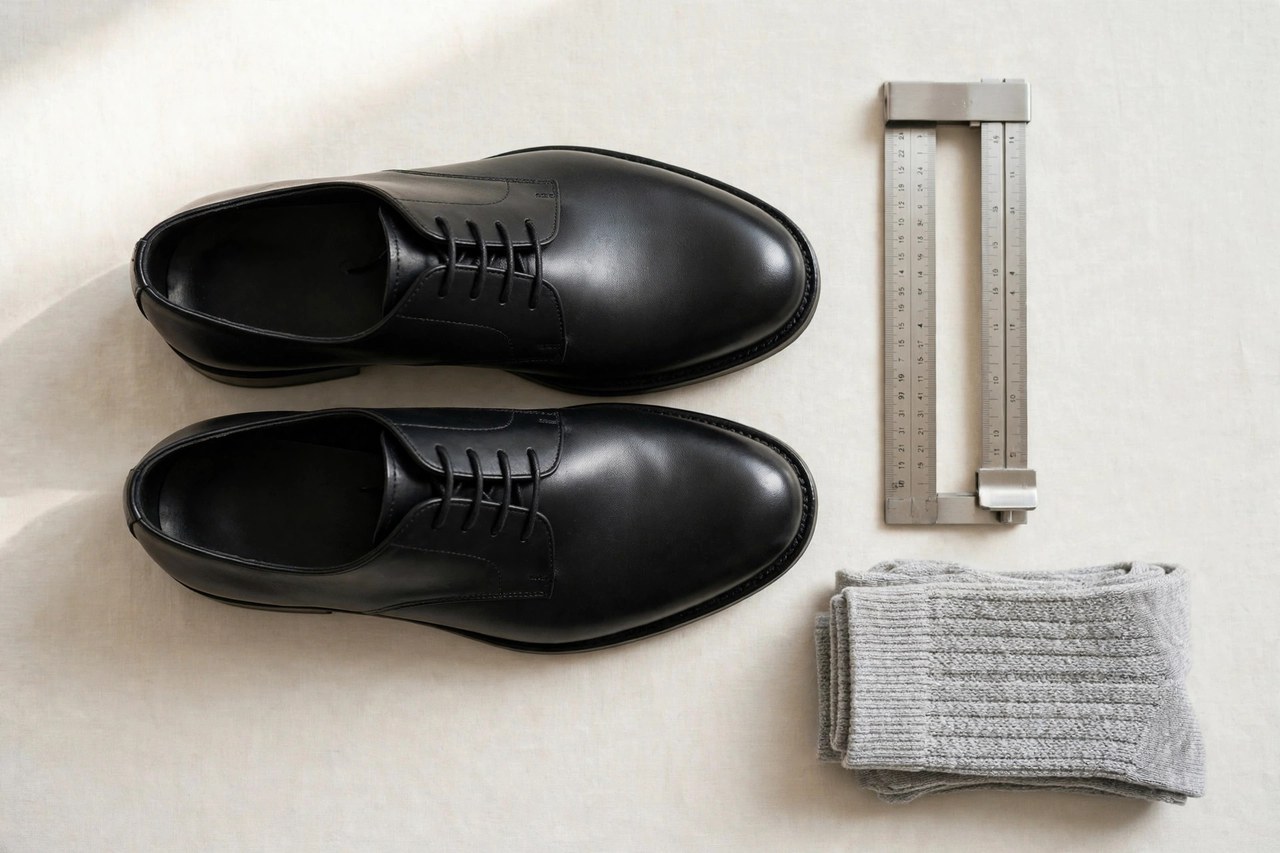
Men's wide shoes are shoes built on a wider last - the mold that gives a shoe its shape - so the forefoot, instep and toe box have genuinely more room rather than the same shoe in a longer size. For men whose feet spread, swell or simply measure wide, a proper wide fitting is the difference between shoes you wear and shoes you endure. This guide covers the styles worth knowing, the fit points that decide comfort, the fabrics and construction that separate a good buy from a regret, and the simple care that makes the garment last.
Styles and Construction
Width is graded in letters that vary by country and brand: in US sizing, E, EE (2E) and EEEE (4E) step up from the standard D, while UK and European makers use fittings such as F, G and H. What matters is where the width lives - a true wide last adds volume across the ball and instep, not just a looser upper on a standard sole. Look for a toe box shaped like a foot, uppers in soft leather or engineered mesh that give without splitting, and removable insoles: taking the insole out gains volume, and your own orthotics need that room. Deep, extra-depth designs exist for swollen feet and medical insoles.
Judge footwear by attachment and compound: cemented soles are light and affordable, stitched or welted constructions cost more and can be repaired, and the outsole rubber decides grip against longevity - soft compounds bite, hard compounds endure. Linings decide comfort over hours, removable insoles decide whether your own supports can come along, and honest weight decides whether the pair disappears on the foot or taxes every mile of the day.
Fit and Sizing
Measure both feet standing, late in the day, in the socks you will wear - and fit the larger foot. The ball of your foot should sit at the shoe's widest point with the upper lying smooth, not bulging over the welt; you should be able to wiggle toes without the sides pressing. Never buy a size up to get width: the extra length moves the flex point, so the shoe creases in the wrong place and the heel slips. If one brand's wide is still narrow, change brand, not size - lasts differ more than labels admit.
Fit footwear late in the day in the socks you will actually wear, with roughly a thumb's width beyond the longest toe, the heel held without lift, and the foot's widest point meeting the shoe's widest point. Sizes are unstandardized between makers - trust your measured length and width over the printed number, and require no break-in argument: a shoe that needs excuses in the shop delivers them on the road.
Wearing and Care
Wide feet stress shoes asymmetrically, so rotate pairs, use trees to hold the shape you have earned, and watch the upper-to-sole junction where wide fittings fail first. Leather benefits from conditioning to stay supple over the ball. Replace shoes when the upper stretches permanently over the edge of the sole or the heel counter leans - at that point the shoe is widening in the wrong places and support is gone.
Rotation is the first care rule: a day of rest between wears lets linings dry and cushioning rebound, and it doubles a rotation's life compared with daily wear of one pair. Clean after use, dry at room temperature away from radiators, hold shape with trees or paper, and condition leather on a schedule rather than when it looks thirsty. Reproof weather finishes when water stops beading, and resole stitched footwear before the wear reaches the welt.
Common Questions
What width fitting do I actually need?
Have your feet measured on a device that reads width, not just length, and try the fitting above the one it suggests as well as the one it names. The right fitting lets the upper lie smooth with toes free; redness across the ball after an hour means go wider or change last.
Is buying a size bigger the same as buying wide?
No. A bigger size adds length everywhere and moves the shoe's flex point beyond your toes' joints, which causes heel slip and creasing across the toes. A wide fitting adds volume at the same length, keeping the shoe's geometry under your foot where it belongs.
Do wide shoes stretch to fit eventually?
Leather uppers ease modestly across the ball with wear, but the sole unit never widens. Buy the width your foot needs today; rely on stretch only for final comfort, not for the fitting itself, or you will wear out the upper from inside while you wait.
More in Men's Clothes Guide W
Background
So, we hear that you have wide feet. Yes, you can't fit into some shoes. Fortunately, you are not the only one with wide feet. Shoe companies understand that feet come in many different shapes and sizes. Therefore, some shoe brands are smart enough to make footwear in wide widths for special people such as yourself. A shoe size is an indication of the fitting size of a shoe for a person. There are a number of different shoe-size systems used worldwide. While all of them use a number to indicate the length of the shoe, they differ in exactly what they measure, what unit of measurement they use, and where the size 0 (or 1) is positioned. See also Clothing Retail Stores.
Looking for Men's Clothing Stores?
This guide explains men's wide shoes. To browse where to buy, visit our men's clothing store directory, where you can find retailers that carry them.