Men's Workwear Guide
Men's workwear is clothing built for physical work: heavy fabrics, reinforced stress points, fits that allow movement and pockets placed for tools rather than looks. From canvas chore coats and double-knee trousers to hi-vis layers and flame-resistant lines, workwear is the branch of menswear where every feature has to justify itself on the job - and its durability has made it a style influence far beyond the site.
Shop Men's Workwear Now
Shop Men's Workwear on Amazon Shop Men's Workwear on eBayThe Amazon and eBay links on this page are affiliate links. If you make a purchase through them, Apparel Search may earn a commission.
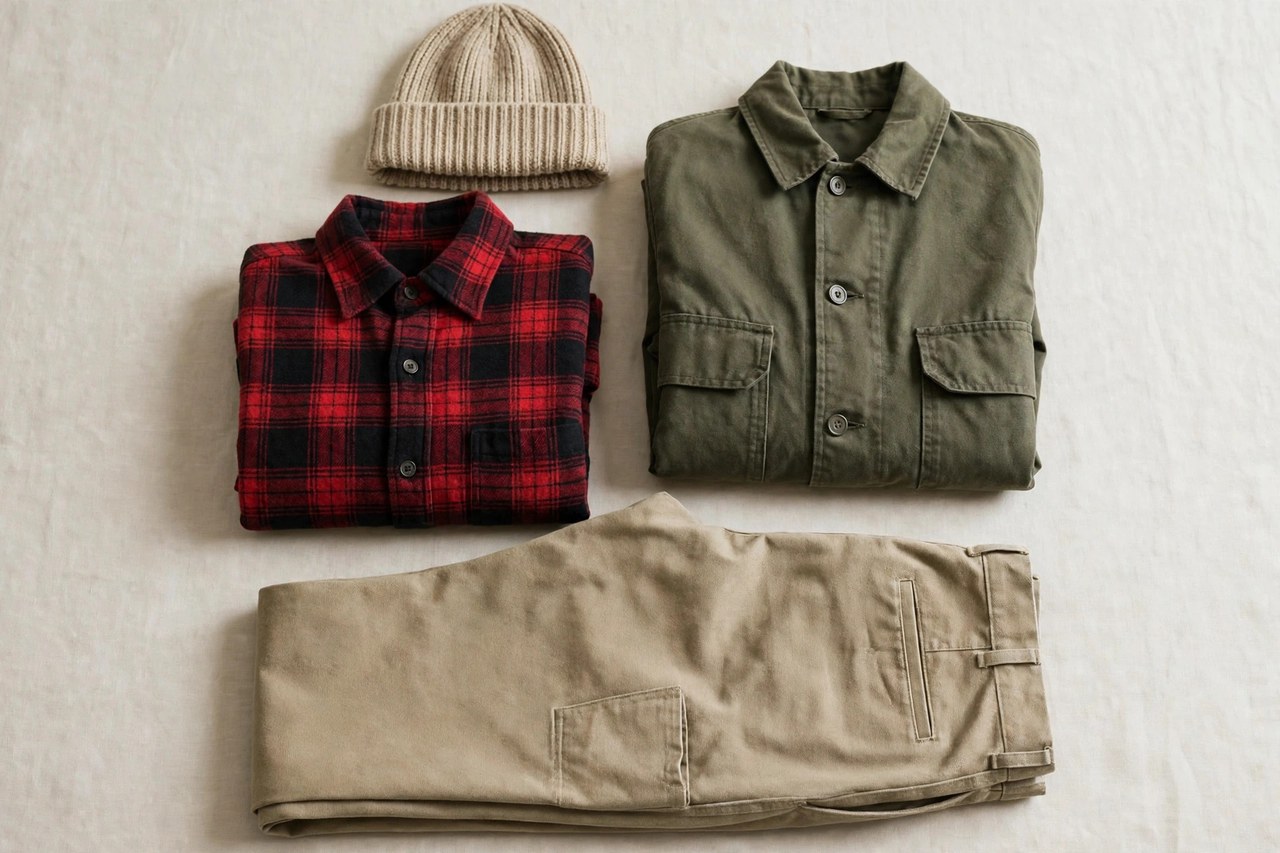
Men's workwear is clothing built for physical work: heavy fabrics, reinforced stress points, fits that allow movement and pockets placed for tools rather than looks. From canvas chore coats and double-knee trousers to hi-vis layers and flame-resistant lines, workwear is the branch of menswear where every feature has to justify itself on the job - and its durability has made it a style influence far beyond the site. This guide covers the styles worth knowing, the fit points that decide comfort, the fabrics and construction that separate a good buy from a regret, and the simple care that makes the garment last.
Styles and Construction
Fabric weight is the first specification: canvas and duck cloth in the 10 to 12 ounce range shrug off abrasion, denim in similar weights does the same for trousers, and flannel, twill and ripstop cover shirts and lighter layers. Construction checkpoints are consistent across garments - bar-tacked or riveted pocket corners, double and triple stitching at seams, gusseted crotches and underarms for reach, double-knee panels, and hardware in metal rather than plastic. Specialized lines add certified features: high-visibility colors and reflective tape to visibility standards, flame-resistant treatments or inherent FR fibers, and waterproof-breathable shells for outdoor trades.
The durable buying order is job, specification, budget - in that sequence. Decide what the garment must do, translate that into fiber, weight, construction and size numbers, and only then shop price. Read labels as specifications, inspect the garment inside out where finishing is unposed, and prefer the maker who publishes measurements to the one who publishes adjectives. A garment that matches your measurements, climate and laundry will be worn; one that misses any of the three becomes expensive storage.
Fit and Sizing
Workwear fit is working fit: room to squat, climb, reach overhead and kneel without the garment fighting back, but not so loose that fabric snags on machinery or catches a ladder rung. Trousers should sit securely at the waist under a belt with tool weight in the pockets; shirts need length to stay tucked while reaching; layers should stack without binding at the shoulder. Try workwear in working positions, not standing at a mirror - the garment's job starts when you move.
Measure yourself once a year and keep the numbers - chest, waist, inseam, foot, head - because bodies drift gradually while size habits never do. Shop from measurements, try garments under real conditions (over layers, in your own shoes, late in the day for footwear), and be honest about alterations: lengths and small waist changes tailor beautifully; shoulders, rises and patterns are the garment you bought forever.
Wearing and Care
Wash workwear hard but smart: shake out debris, treat grease and paint before they set, and wash FR and hi-vis garments by their specific labels - fabric softeners and bleach can kill flame resistance and reflective performance. Mend tears early; canvas patches beautifully and a small repair keeps a garment in service for seasons. Retire hi-vis when the fluorescent background fades and FR garments when they are torn or contaminated with flammable residues - certification does not survive damage.
Five minutes when a garment comes off - shake it out, hang or fold it correctly, note the stain and the loose button - prevents most of the damage later blamed on quality. Keep a small kit where the clothes live: brush, lint roller, conditioner suited to your leathers, black, navy and grey thread. Clothing rarely dies at once; it fades by small neglects, and small attentions reverse the process at the same pace.
Common Questions
What makes clothing true workwear rather than just rugged style?
Specification: fabric weights, reinforced stress points, movement gussets and, where needed, certified ratings for visibility, flame resistance or water protection. Fashion workwear copies the look with lighter cloth and single stitching - fine for town, wrong for the trade it imitates.
How should work trousers fit for physical work?
Secure at the waist, easy through the seat and thigh, with a gusset or articulated knee so squatting and climbing do not pull the waistband down. Too tight restricts and wears out at stress points; too loose snags. The fitting room test is a squat and a step up, not a stand.
Can I wash flame-resistant workwear normally?
No - FR garments have label rules that protect the treatment or fiber: no bleach, no fabric softener, wash separately, and repair only with FR materials. Follow the label exactly, because the protection is invisible and a wrong wash removes it without changing how the garment looks.
More in Men's Clothes Guide W
Background
This word " workwear " does not mean clothing for any type of work environment. We are not talking about suits, neckwear & sport coats worn to the office. Workwear is clothing worn for work, that generally involves manual labor. From rainwear to work gloves. This type of clothes is for the guy looking for heavy-duty clothing. Often those employed within trade industries elect to be outfitted in workwear because it is built to provide durability and safety. In Britain from the mid 19th century until the 1970s, dustmen, coalmen, and the manual laborers known as navvies wore flat caps, corduroy pants, heavy boots and donkey jackets, often with a brightly colored cotton neckerchief to soak up the sweat. Later versions of the donkey jacket came with leather shoulder patches to prevent wear when shouldering a spade or pick. Mill workers in Yorkshire and Lancashire wore a variant of this basic outfit with English clogs. The cuffs of the pants were frequently secured with string.
More to Explore on Apparel Search
References & Further Reading
Looking for Men's Clothing Stores?
This guide explains men's workwear. To browse where to buy, visit our men's clothing store directory, where you can find retailers that carry them.