Women's Contemporary Apparel Guide
Updated classics and current silhouettes — what the contemporary category really means for a modern wardrobe.
Shop Women's Contemporary Apparel Now
Shop Women's Contemporary Apparel on Amazon Shop Women's Contemporary Apparel on eBayThe Amazon and eBay links on this page are affiliate links. If you make a purchase through them, Apparel Search may earn a commission.
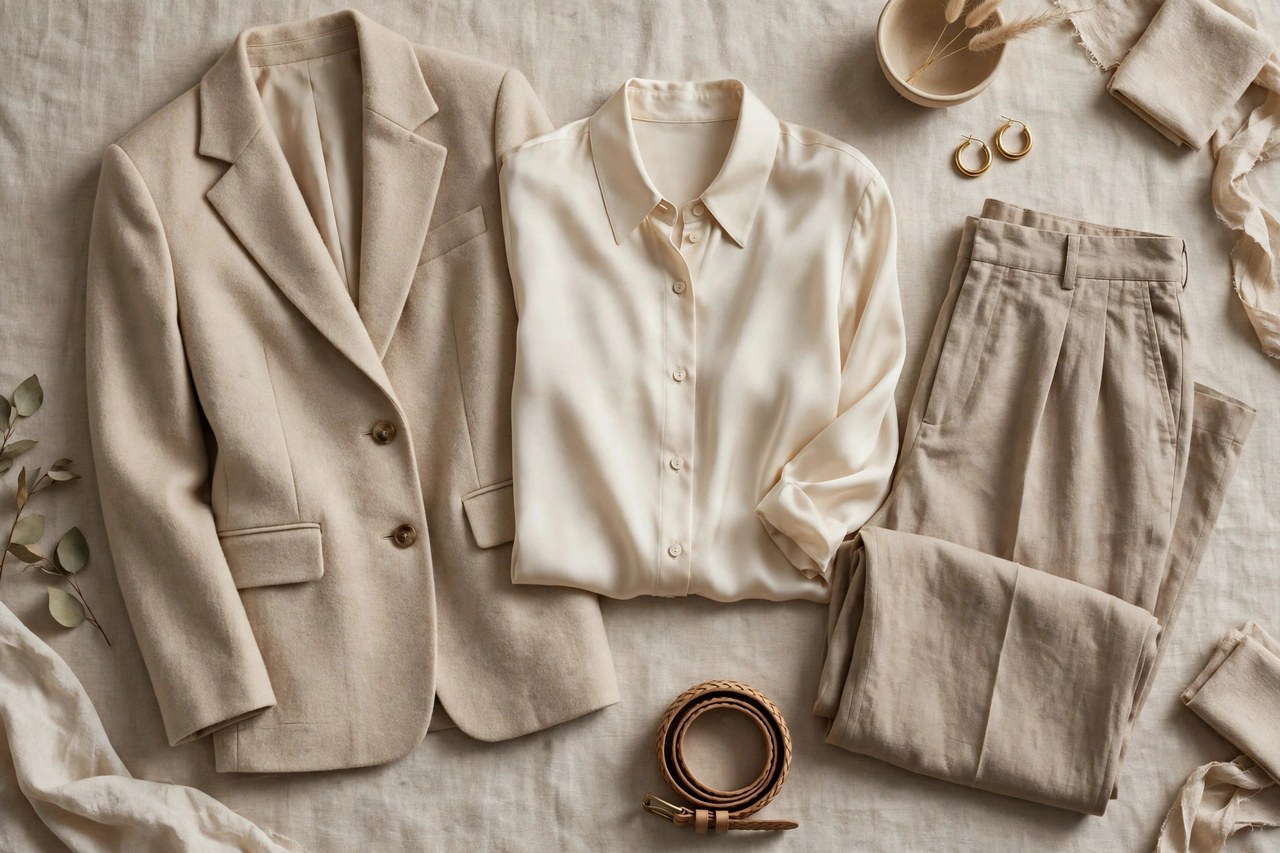
In retail language, contemporary is not just a style word — it is a market category that sits between fast fashion and full designer. Women's contemporary apparel takes familiar wardrobe pieces — the blazer, the trouser, the shirt dress, the knit top — and updates them with current proportions, cleaner construction, and fabrics that feel noticeably better than mass-market basics without reaching luxury price levels. The result is clothing designed for women who want a present-day look that still works next season: a wider trouser leg instead of a dated skinny cut, a softer shoulder instead of sharp padding, a midi length that reads modern rather than matronly. If you have ever found designer pieces too extreme and basic ranges too plain, contemporary is likely the middle ground you were looking for, and this guide explains how to shop it with confidence.
What Makes Apparel Contemporary
Three signals define the category. First is silhouette timing: contemporary lines adopt new proportions early — relaxed tailoring, longer blazers, cropped jackets, fluid wide-leg pants — but they translate trends into wearable shapes rather than runway extremes. Second is fabric and finish: expect natural-fiber blends, fluid viscose, Tencel, wool blends, and cupro linings, plus details like covered buttons, clean interior seams, and hardware that feels substantial. Third is versatility. A contemporary piece is designed to move between settings — a satin camisole under a blazer for work, then alone with jeans for dinner. That crossover usefulness is deliberate, because the contemporary shopper typically builds a smaller, harder-working wardrobe rather than buying separate outfits for every occasion. Recognizing these three signals helps you judge a garment quickly, whatever the label claims.
Core Pieces in a Contemporary Wardrobe
Start with tailoring. A softly structured blazer, a fluid trouser, and a well-cut jumpsuit or shirt dress form the backbone of most contemporary collections. Knitwear is equally central: fine-gauge crew and V-neck sweaters, sleeveless knit tops, and cardigans cut closer to the body than traditional casual knits. Contemporary dresses favor midi and maxi lengths, slip silhouettes, shirt-dress shapes, and wrap styles with modern sleeve details such as a puff, a slit, or an asymmetric hem. Separates lean mix-and-match: wide-leg pants, pleated skirts, relaxed button-down shirts, and elevated T-shirts in heavier cotton or silk blends. Color palettes tend toward neutrals — black, ivory, camel, navy, olive — punctuated by one or two seasonal fashion colors. Building around those neutrals means nearly everything pairs together, which is exactly the efficiency the category promises busy wearers.
Fabrics and Construction Clues
Fabric choice is where contemporary apparel most clearly separates itself from budget basics. Look for breathable blends that hold shape: cotton with a touch of elastane for trousers, wool blends for blazers that resist creasing, silk or silk-blend blouses that drape rather than cling, and knit ponte or scuba crepe for dresses that travel well. Linings, when present, should feel smooth and be cut generously enough not to pull the outer fabric. Construction clues include even stitching, pattern matching at seams on prints and plaids, secure button attachment, and zippers that glide without catching lining. Hems should hang level and sleeves should end cleanly without twisting. None of this requires couture spending, but it does require a quick hands-on check: lift the garment, feel the weight, turn a seam inside out. Contemporary value lives in those small, durable details that keep a piece looking sharp after many wears.
Fit: Relaxed Does Not Mean Shapeless
Contemporary fit is intentionally relaxed, but relaxed is a proportion choice, not permission for a garment to overwhelm you. A wide-leg trouser should still sit cleanly at the waist or hip where designed, with the fullness starting below a smooth front. An oversized blazer should show a defined shoulder line — if the shoulder seam slides halfway down your arm unintentionally, it is simply too big. Slip dresses should skim the body on the bias without pulling across the hips; if horizontal lines appear, size up and have the straps adjusted instead. Because contemporary brands cut for a current, slightly longer silhouette, petite shoppers should check lengths carefully: midi dresses can become maxi, and longer blazers may need sleeve shortening. Between sizes, choose the fit that keeps seams smooth across the bust and back, since tailoring can refine the rest more easily than it can add room.
Styling and Care for Longevity
The easiest contemporary formula pairs one tailored piece with one fluid piece: a structured blazer over a slip dress, a silk shirt half-tucked into wide trousers, a fine knit tucked into a pleated skirt. Footwear stays streamlined — loafers, pointed flats, minimalist sneakers, or heeled mules — and jewelry is usually simple metal or a single sculptural piece rather than layers of ornament. That restraint is what makes the wardrobe photograph modern season after season. Care matters just as much, because better fabrics reward gentle handling. Wash knitwear folded or on a delicate cycle, steam blouses and dresses rather than pressing hard creases into them, hang blazers on shaped hangers, and store trousers clipped at the waistband so the crease falls correctly. Rotating pieces and airing them between wears will keep a contemporary wardrobe — built to be worn often — looking new far longer.
Looking for Women's Clothing Stores?
This guide helps you choose women's contemporary apparel by style, fabric and fit. To browse where to buy, visit our women's clothing store directory, where you can find retailers that carry them.