Women's Orange Swimwear Guide
Sunshine shades for the water — choosing orange swimwear by shade, fabric quality and a fit that stays comfortable all day.
Shop Women's Orange Swimwear Now
Shop Women's Orange Swimwear on Amazon Shop Women's Orange Swimwear on eBayThe Amazon and eBay links on this page are affiliate links. If you make a purchase through them, Apparel Search may earn a commission.
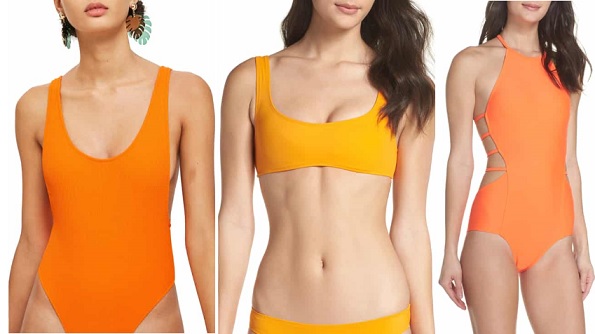
Orange swimwear suits the setting it is worn in: few colors look more at home against blue water, pale sand and summer skin. Tangerine and melon brighten beach and pool outfits, apricot offers a softer option for fair and cooler complexions, and rust and terracotta bring an earthy elegance that works from resort pools to lake swimming. Beyond shade, swimwear buying is practical — fabric must resist chlorine, salt and sunscreen, construction must stay secure and comfortable when wet, and fit must allow swimming, walking and sitting without constant adjustment. This guide covers the orange shade range for swimwear, how to assess fit and fabric quality before buying, which styles serve which activities, and the rinsing and drying routine that prevents the rapid fading swimwear is known for. The Swimwear Definition describes the category formally: clothing designed for water-based activity and water sports, where appearance is dictated by fabric, silhouette, color and embellishment.
Shades of Orange for Swimwear
Tangerine is the signature swim shade, vivid against water and flattering to warm and deep skin tones, and it holds its own in photographs. Melon and coral-orange soften the brightness for wearers who prefer a gentler effect. Apricot and peach swimwear suits fair, warm-toned skin and cooler complexions better than saturated shades, and it pairs prettily with straw hats and tan cover-ups. Rust and terracotta have become resort favorites in ribbed and textured fabrics, reading sophisticated rather than sporty. Marigold leans golden and glows in late-afternoon light. Consider your setting as well as your skin: bright orange stands out helpfully in open water and crowded pools, a genuine practical advantage, while muted rust suits quiet hotel pools. Check pale shades when wet before relying on them, since some light fabrics lose opacity in water.
Choosing the Right Orange Swimwear
Fit swimwear for movement, not just for the mirror. Raise your arms, bend, sit and walk in the fitting room; leg openings should stay in place, straps should not dig or slip, and the torso length of a one-piece should allow you to stand tall without pulling. For two-piece styles, confirm the top’s band and cup construction suits your activity level — fixed, supportive constructions for swimming and sport, simpler ties for sunbathing with minimal movement. Fabric quality shows in weight and recovery: a good swim knit snaps back when stretched and feels substantial between the fingers. Look for lining in pale shades, secure stitching at stress points, and hardware that will not corrode. Match shade to skin with wet conditions in mind, since colors deepen when wet and a borderline apricot may become pleasingly richer in the water.
Wearing Orange Swimwear by Activity
Choose the style for what you will actually do. For lap swimming and water sports, a streamlined one-piece in a chlorine-resistant fabric, in tangerine or rust, stays secure through strokes and dives. For beach days mixing swimming and walking, a well-fitted two-piece or a one-piece with good support travels comfortably between water and cafe with the addition of shorts or a sarong. Apricot and terracotta styles in textured fabrics suit resort and holiday wear, where appearance across a long day matters. Cover-ups complete the practical picture: a white shirt, a khaki sarong or a denim skirt all sit happily over orange swimwear, and a wide-brimmed straw hat echoes its warmth. Whatever the activity, apply sunscreen and let it absorb before dressing, because fresh sunscreen is a leading cause of stains and fabric breakdown at straps and edges.
Fabrics and Construction That Last
Most swimwear is nylon or polyester blended with elastane, and the difference between them matters for orange. Polyester-based fabrics resist chlorine far better and hold bright dye longer, making them the wise choice for regular pool swimmers in tangerine shades. Nylon feels softer and is common in fashion swimwear, but it fades faster with chlorine exposure. PBT blends are the durable specialist option. Higher elastane content improves fit and recovery but can degrade sooner in hot tubs. Construction details to check include fully lined bodies in light colors, enclosed elastic that does not touch skin directly, reinforced strap joins, and removable pads that can be taken out for washing and faster drying. Ribbed and seersucker textures disguise minor fading and add interest to rust and terracotta styles. A heavier fabric in hand almost always outlasts a flimsy one in the water. The fabrics have come a long way: rayon was used in the 1920s in the manufacture of tight-fitting swimsuits, but its durability, especially when wet, proved problematic, and in the 1930s new materials were developed specifically for swimwear use.
Caring for Orange Swimwear
Orange swimwear fades faster than darker colors when chlorine, salt, sun and heat combine, so aftercare decides its lifespan. Rinse every piece in cool, clean water immediately after swimming to remove chlorine and salt before they set into the fibers. Hand wash occasionally with a mild detergent; avoid regular machine washing, and never use bleach or hot water. Press water out gently without wringing, which distorts straps and elastic, and dry in shade on a flat surface or rack — direct sun bleaches tangerine noticeably within a single holiday if pieces are left on a sunny balcony daily. Rotate two suits on a trip so each rests and dries fully between wears. Store clean and completely dry, away from light. With this routine, orange swimwear keeps its brightness through several seasons instead of one.
More Orange Clothing Guides
Looking for Women's Clothing Stores?
This guide helps you choose orange swimwear by shade, style and fit. To browse where to buy, visit our women's clothing store directory, where you can find retailers that carry them.