Women's Pink Coats Guide
The coat everyone sees all winter — choosing a pink that flatters your coloring and survives seasons of weather.
Shop Women's Pink Coats Now
Shop Women's Pink Coats on Amazon Shop Women's Pink Coats on eBayThe Amazon and eBay links on this page are affiliate links. If you make a purchase through them, Apparel Search may earn a commission.
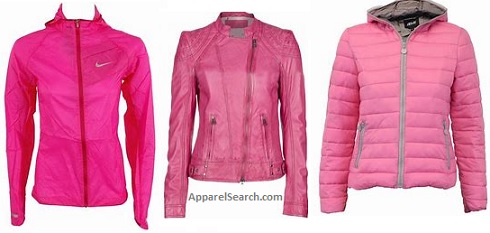
A pink coat makes winter dressing feel chosen rather than endured. It is the layer the world sees from the first cold morning to the last, worn over outfits that may be entirely plain, and pink brings light to faces on grey days in a way black and navy simply do not. The range is wider than many expect: a blush wool coat reads soft and tailored, a rose trench feels fresh in spring rain, and a magenta coat is a confident evening statement. Because a coat is a considered purchase expected to last for years, the shade, fabric and cut deserve careful thought. This guide works through each, plus the styling and storage habits that keep pink outerwear looking new. A coat is an outer garment with sleeves that typically extends below the hips and opens down the front, closing with buttons, zippers, toggles, a belt or a combination of them — and it is not the same thing as a jacket, a distinction set out in the difference between coats & jackets.
Shades of Pink for Coats
Blush and powder pink are the most wearable coat shades, soft enough to sit beside navy, charcoal, camel and denim while still lifting the whole outfit; in wool they look expensive and calm. Rose and dusty pink deepen that idea, hiding city wear a little better and suiting women who want color with restraint. Coral pink belongs mainly to lighter coats and spring trenches, where its warmth flatters golden skin. At the bold end, hot pink and magenta coats are deliberate statements, best in clean, simple cuts where the color carries the design. A useful rule is that the longer and more formal the coat, the softer or deeper the pink should go, while short jackets can carry brights with ease.
Choosing the Right Pink Coat
Choose the coat for your real winter first: try it over your thickest sweater, check that shoulders allow movement, and confirm the length works with the dresses and trousers you wear most. Wool and wool blends hold pink dye evenly and give the tailored structure pink looks best in; cashmere blends read softer and slightly muted, while cotton gabardine suits a brighter trench shade. Consider skin tone as you would with any color worn near the face — cool blush and magenta flatter cool, fair coloring, while warm rose and coral pink suit golden tones. Inspect buttons, lining and seam finishing, because a light pink coat shows construction flaws and soil more honestly than a dark one does.
How to Wear Pink Coats
A pink coat works hardest over quiet clothes. Wear blush over a navy dress or charcoal trousers for work and the outfit reads polished without effort; wear rose over blue denim and a white tee on weekends for an easy, finished look. Black underneath sharpens hot pink and magenta for evenings, while cream and white under a blush coat create a soft tonal outfit that suits spring. Keep scarves and hats in neutral territory — grey, camel, cream or a touch of leopard — so nothing competes near your face. If the coat is bright, let shoes and bag stay subdued; if the coat is pale, a deeper rose or burgundy accessory can add the depth the outfit needs.
Styling Combinations
Pink coats negotiate well with the classic coat partners. Navy is the tailored pairing, grey is the modern one, and camel warms rose shades into rich autumn territory. Denim of any wash keeps a pink coat casual and wearable several days a week, while a black dress under a magenta coat is a complete evening outfit on its own. Metallic accessories suit evening pink: gold warms coral and rose, silver keeps fuchsia crisp. Avoid adding a second bright in a large piece — a hot pink coat over a scarlet dress asks the eye to choose — but a patterned scarf containing a little pink ties a pale coat outfit together neatly. Boots in tan, grey or black ground the look without stealing it.
Caring for Pink Coats
Pink outerwear needs protection from both soil and light. Pale shades pick up marks at cuffs, collars and seat-belt lines, so brush wool coats after wear, spot-treat small marks promptly rather than cleaning the whole garment, and follow the label for full cleans, telling the cleaner the coat is a light, strong dye color. Bright pink and magenta coats should be stored away from direct light, since one shoulder fading on a sunny hallway hook is a real and common injury. Use a wide padded hanger inside a breathable garment bag, fasten buttons, and empty pockets so the shape holds. Clean before summer storage to deter moths, and a well-made pink coat should keep its shade and its lift for many winters.
More Pink Clothing Guides
Looking for Women's Clothing Stores?
This guide helps you choose pink coats by shade, style and fabric. To browse where to buy, visit our women's clothing store directory, where you can find retailers that carry them.