Women's Designer Bridal Collection Guide
A designer bridal gown is part dress, part project — trunk shows, timelines and fittings included. Plan it calmly and the experience becomes one of the best parts of the wedding.
Shop Women's Designer Bridal Gowns Now
Shop Women's Designer Bridal Gowns on Amazon Shop Women's Designer Bridal Gowns on eBayThe Amazon and eBay links on this page are affiliate links. If you make a purchase through them, Apparel Search may earn a commission.
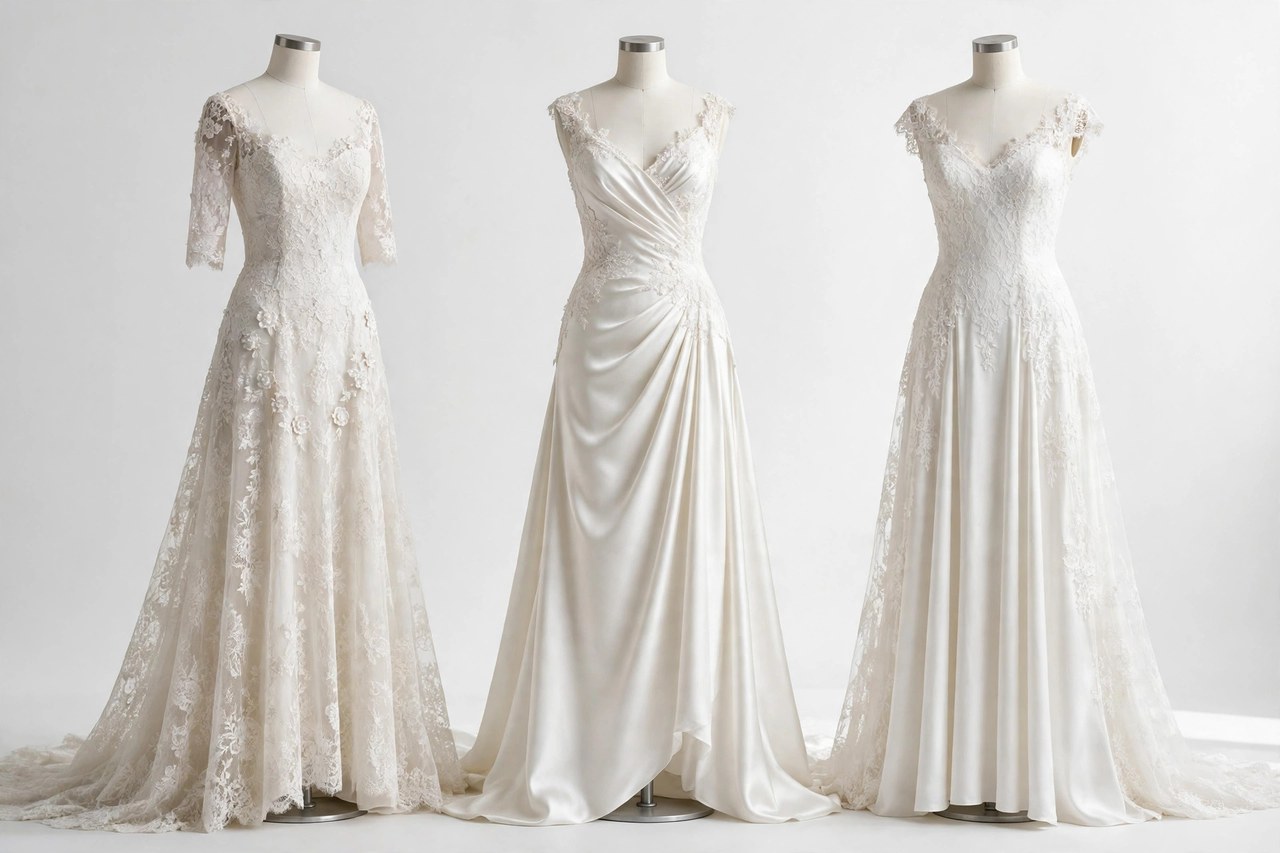
A designer bridal collection is where the fashion world meets the most planned day of most wearers' lives. Bridal gowns from established designers bring runway-level fabric, structure and finishing to dresses that must also photograph beautifully, survive hours of hugging, dancing and emotion, and feel unmistakably personal. The process of buying one is different from any other dress purchase — longer, more structured and, handled well, genuinely enjoyable.
This guide explains the two main routes — couture and ready-to-wear bridal — how trunk shows and made-to-order timelines work, which fabrics create which silhouettes, and what really happens across the fittings. It ends with the price drivers worth knowing before you fall for a gown, and how to preserve the dress properly once the confetti has settled.
Couture Versus Ready-to-Wear Bridal
Couture bridal starts from you: a gown designed or adapted for one bride, cut to her measurements, built over multiple fittings with hand finishing throughout, often including a toile — a trial version in plain cloth — to perfect the fit before the real silk is cut. It offers the greatest design freedom and the highest price, and it needs the longest lead time. Houses that show bridal during their main collections usually work this way for their most elaborate gowns.
Ready-to-wear bridal works from a seasonal collection: you try samples in the salon, choose a style and size, and the house makes your gown to the nearest size, after which a seamstress tailors it precisely to you. The design choice is narrower but still wide, quality at the top end is excellent, and costs and timelines are far more predictable. Most designer brides buy this way, and many add couture touches — a changed neckline, added lace, a custom veil — for a personal result without a fully bespoke bill.
Trunk Shows and Made-to-Order Timelines
A trunk show is a salon event where a designer sends an extended collection — often the full new season, sometimes with the designer or a specialist stylist attending — for one weekend. It is the best chance to try styles your local salon does not normally stock, and orders placed there occasionally carry a modest incentive. Book early, bring the people whose opinions matter, and wear the underwear and heel height you plan for the day.
Timelines are the part brides underestimate. Made-to-order designer gowns typically need six to nine months from order to delivery, plus six to eight weeks for alterations; couture can take longer. Order once your venue and date are fixed, because silhouette and fabric should suit both the setting and the season. Rush options exist at a fee, and sample gowns can be bought off the rail for short engagements, but calm planning buys you the full collection, the full fitting schedule and far less stress.
Fabrics and the Fittings Process
Three fabrics shape most designer bridal looks. Silk mikado is a firm, lustrous cloth that holds sculpted ballgowns and clean architectural lines. Lace — from fine chantilly to bold guipure — adds texture, romance and hand-applied detail over bodices and sleeves. Tulle builds weightless volume in skirts and veils, layer over layer, without heaviness. Satin, organza and crepe complete the palette, and good salons will drape each against your skin tone, since ivory, blush and pure white flatter very differently.
Expect two to three fittings after your gown arrives. The first pins the bodice and hem with your wedding shoes on; the second refines the fit and bustle — the method of lifting the train for dancing; a final check confirms everything a week or two before the day. Bring your shoes and undergarments to every appointment, move and sit in the gown, and speak up about comfort: a well-fitted designer bodice should support you completely without digging, slipping or restricting your breathing.
Price Drivers and Preservation
Bridal prices rise with hand hours and cloth. Hand-applied lace, beading, embroidery, long trains, internal corsetry and pure silk all add real cost, as do design changes and rush fees. Set your budget before the first appointment, tell the salon honestly, and remember to include alterations, veil, shoes and preservation in the total. A simpler gown in magnificent fabric, perfectly fitted, almost always looks more expensive than a heavily decorated gown that strains the budget and the fit.
After the wedding, have the gown professionally cleaned promptly — invisible stains from sugar and perspiration yellow over time — then preserved in an acid-free box with acid-free tissue, stored flat in a cool, dark, dry room rather than a loft or basement. Keep the receipt and designer documentation with it. Preserved properly, a designer bridal gown stays ready for the next chapter of its life: an heirloom for family, a candidate for resale in excellent condition, or simply a beautiful thing kept exactly as it deserves.
Related Women's Guides
More to Explore on Apparel Search
Looking for Women's Clothing Stores?
This guide helps you choose women's designer bridal gowns by silhouette, fabric and fit. To browse where to buy, visit our women's clothing store directory, where you can find retailers that carry them.