Women's Eveningwear Guide
Eveningwear is the formal-dressing umbrella: the dress codes decoded, what counts as evening attire, and how to build one complete look from gown to shoes to wrap.
Shop Women's Eveningwear Now
Shop Women's Eveningwear on Amazon Shop Women's Eveningwear on eBayThe Amazon and eBay links on this page are affiliate links. If you make a purchase through them, Apparel Search may earn a commission.
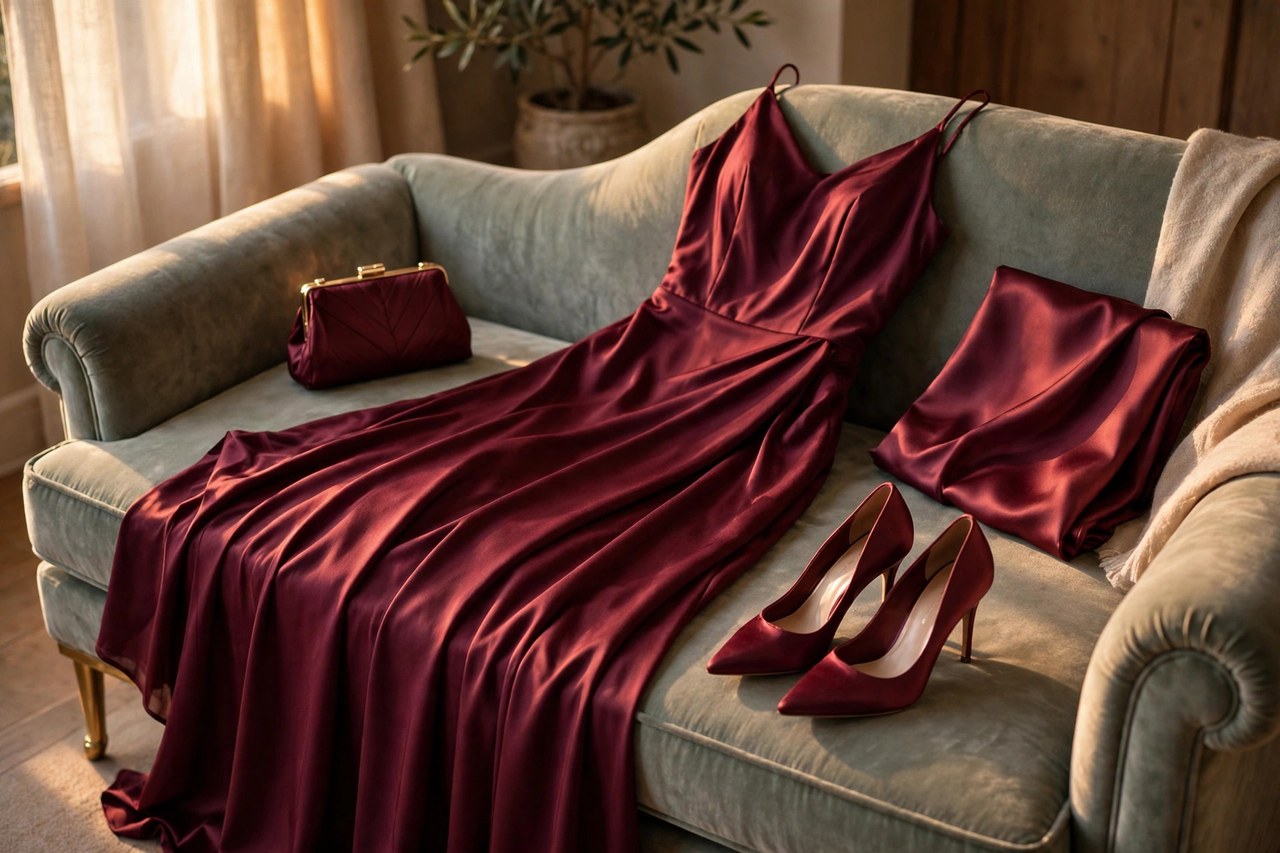
Eveningwear is clothing suitable for formal social occasions — typically occasions held at night — and it is the umbrella over everything in this corner of the guide: the gowns, the shoes, the wraps and the rules that tell you which of them an invitation is asking for. Proper evening attire for a woman ranges from dressy separates to a full-length evening gown, and reading that range correctly is most of dressing well after dark.
This page is the umbrella guide: dress codes, the building blocks of an evening look, and how the pieces work together. The components have their own deep guides — evening gowns for the dresses themselves, evening shoes for the footwear — and the section below explains what “formal” actually means.
The Dress Codes, Decoded
White tie is the summit: a full-length evening gown, nothing shorter, with the most formal styling you own. Black tie is the working formal standard — a floor-length gown is the classic answer, though a very dressy cocktail dress or elegant separates are now widely accepted. Black tie optional keeps the same ceiling and lowers the floor: a cocktail dress is entirely correct. Cocktail attire means a knee-length or midi dressy dress, or smart separates, with heels and jewellery doing the formal work.
Below that, semi-formal and dressy-casual invitations want polish without pageantry. When an invitation is silent, use this formula: formal attire is traditionally divided into day and evening attire, with evening beginning around 6 p.m. — a 5:30 departure for a 7 p.m. event is an evening event, so dress for where you will be, not when you leave.
Building One Complete Evening Look
Build from the dress outward. A full-length gown needs the least help: evening shoes, one piece of statement jewellery, a clutch and a wrap for cold venues. Shorter dresses ask more of the accessories — the shoes and jewellery carry the formality, which is why the evening shoes guide insists the footwear be as special as the outfit. Dressy separates — a silk blouse with a long skirt or wide evening trousers — are the modern alternative and the most re-wearable.
Finishing layers are where eveningwear succeeds quietly: a wrap, stole or tailored evening coat that suits the dress (a daytime coat over a gown undoes it), hair and makeup a step up from daytime, and hosiery chosen for the shoe — sheer with sandals, opaque only with closed shoes in winter. Rehearse the whole outfit once, sitting and walking included, a few days before the event rather than the night of.
A Small, Hard-Working Evening Wardrobe
Most women need less eveningwear than they own and better eveningwear than they buy. A reliable capsule is: one full-length gown in a deep, forgiving colour; one cocktail dress; one pair of black evening shoes and one metallic pair; a real evening wrap; and jewellery that upgrades both dresses. That set covers everything from charity balls to formal weddings with swaps of accessories rather than new purchases.
Buy evening pieces on cost-per-occasion arithmetic opposite to daywear: a gown worn six times in five years is a success, so quality and fit matter more than trend. Store gowns cleaned, in breathable bags; keep evening shoes bagged; and mend small faults — a loose bead, a worn heel tip — as they happen, so the capsule is always one invitation away from ready.
Related Women's Guides
What Counts as Eveningwear?
Evening is the daily astronomic event at the end of the day, usually from about 6 p.m. to bedtime — there is no exact time when evening begins and ends. Eveningwear is clothing, especially for women, that is suitable for formal social occasions, typically for formal occasions at night time; eveningwear is a type of formal wear. Formal wear, formal attire or full dress is the traditional Western dress code category applicable for the most formal occasions, such as weddings, christenings, confirmations, funerals, Easter and Christmas traditions, in addition to certain audiences, balls and horse racing events. Formal attire is traditionally divided into formal day and evening attire: morning or day attire is implied to be before 6 p.m., and evening attire after 6:00 p.m. Leaving the house at 5:30 for a 7 o'clock event? Dress for the event. “Formal attire” being the most formal dress code, it is followed by semi-formal attire, equivalently based around an evening gown for women — an evening gown or evening dress being a long flowing women's dress usually worn to a formal affair, though length is not a requirement to classify a dress as an evening dress. For ladies it is usually a long evening dress, or at least a dressy shorter cocktail dress: proper evening attire for a woman ranges from dressy separates to full-length evening gowns.
Photos

Looking for Women's Clothing Stores?
This guide helps you choose women's eveningwear by dress code, occasion and piece. To browse where to buy, visit our women's clothing store directory, where you can find retailers that carry them.