Women's Mukluks Guide
The soft, fur-and-hide winter boot of the Arctic Indigenous peoples: the warmest traditional footwear ever made, and the ancestor of the modern winter boot.
Shop Women's Mukluks Now
Shop Women's Mukluks on Amazon Shop Women's Mukluks on eBayThe Amazon and eBay links on this page are affiliate links. If you make a purchase through them, Apparel Search may earn a commission.
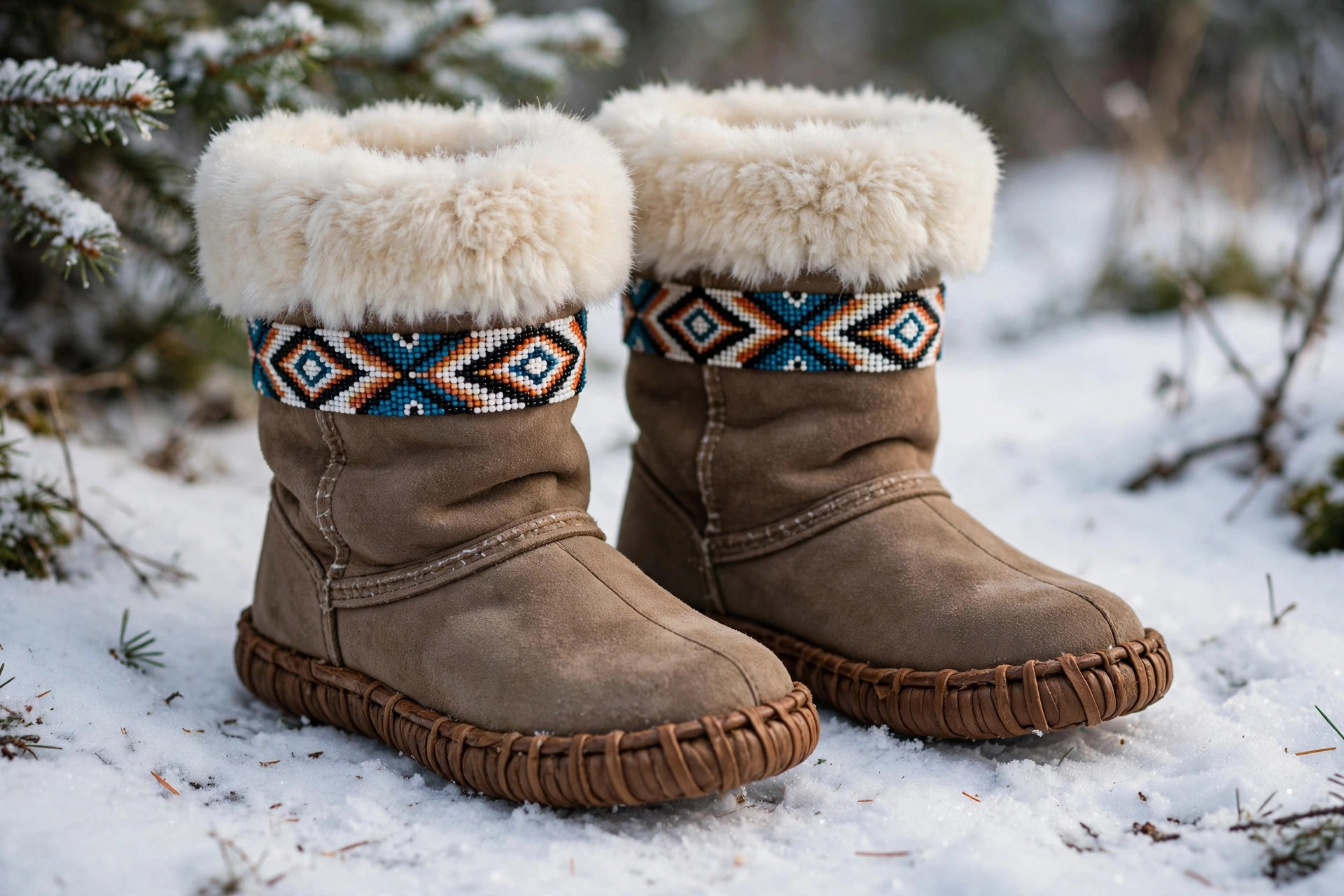
The mukluk is the traditional winter boot of the Indigenous peoples of the Arctic — the Inuit and Yupik worlds above all — a soft boot of hide, traditionally sealskin or reindeer and caribou skin, often trimmed with fur, made by hand for the coldest inhabited places on earth. The word travels from the Yupik maklak, and the design it names is a complete cold-weather system in a single boot.
Understanding a mukluk starts with the problem it solves: extreme dry cold, deep snow, and a wearer who travels on foot over snow and ice all day. Heavy rigid boots fail there — feet sweat, sweat freezes. The mukluk's answer is softness, breathability and layers of natural insulation, and modern winter boots still borrow its principles.
Traditional Construction
A traditional mukluk is soft-soled: the sole is a single piece of hide crimped and sewn up around the foot, with uppers of fur or hide rising to mid-calf or the knee, secured with drawstrings that double as emergency repair material. Inside go layers — grass or moss insoles in the oldest practice, later wool felt and fur socks — each trapping air, and air is the actual insulator in every winter boot ever made.
Materials follow the Arctic hunt: sealskin for water resistance in the wet cold of spring, caribou leg skin for the coldest dry months (its hollow hairs insulate superbly), and fur trim — wolverine above all, because frost from breath does not stick to it. Beadwork and dyed trim decorate the vamp and shaft. Every element is functional first, which is why the boot is beautiful: nothing is wasted.
Why Mukluks Work: The Breathability Lesson
The mukluk's genius is moisture management. Because hide breathes and the boot is soft and roomy, perspiration escapes instead of soaking the insulation; the layered liners can be removed and dried nightly. Vapor-barrier expedition boots and breathable modern winter boots both descend from this lesson: in deep cold, keeping insulation dry matters more than adding insulation.
The limit is the mirror image: traditional mukluks are dry-cold boots. Slush and wet snow soak hide, so the design belongs to the continental Arctic winter, not the wet coastal thaw. Modern commercial mukluks answer this with waterproof soles and treated materials — gaining wet-weather range while giving up a little of the soft, silent, flexible original.
Modern Mukluks, Fit and Care
Today's mukluk-style boots — made by Indigenous-owned companies such as Manitoba Mukluks as well as general winter brands — keep the tall hide shaft, fur trim and beadwork over a modern rubber sole and rated insulation. When you buy the style, credit and provenance matter: Indigenous-made mukluks carry the design's heritage honestly, and the manufacturers directory linked below is a starting point for the trade.
Fit with the socks you will wear, allowing room for the liner system and toe movement — tight boots are cold boots. Keep hide shafts conditioned, dry liners after every wearing, and store the pair upright and uncrushed. Chosen for dry cold and cared for as the natural materials ask, a mukluk is not a fashion boot that looks warm; it is the original warm boot that fashion keeps rediscovering.
One More Consideration
Worth adding: the mukluk's influence is easy to trace in any modern winter boot — the removable felt liner, the roomy toe box, the soft shaft that seals with a drawcord are all Arctic inheritances, standardized by Indigenous makers centuries before outdoor brands patented their versions. Wearing a mukluk, or a mukluk-style boot, is wearing one of the oldest continuously used footwear designs on earth, refined by the people who had the most at stake in getting winter right.
Related Women's Guides
Looking for Women's Clothing Stores?
If you are ready to shop rather than browse guides, visit our women’s clothing shopping directory for stores carrying women's mukluks and winter boots and much more, or use the Amazon and eBay buttons at the top of this page.