Buying Job Descriptions — Letter C
Buying and purchasing job descriptions beginning with C
One buying job description begins with the letter C: the Childrenswear Buyer. It is one of the most distinctive specialisms in this directory, because the person who wears the product is never the person who buys it — children's clothing is chosen by parents and gift buyers, sized by age rather than by adult measurements, and governed by safety rules that adult ranges never face. The full description is linked below.
More Buying Job Descriptions by Letter:
C — Buying Roles
Buying for Children, Selling to Parents
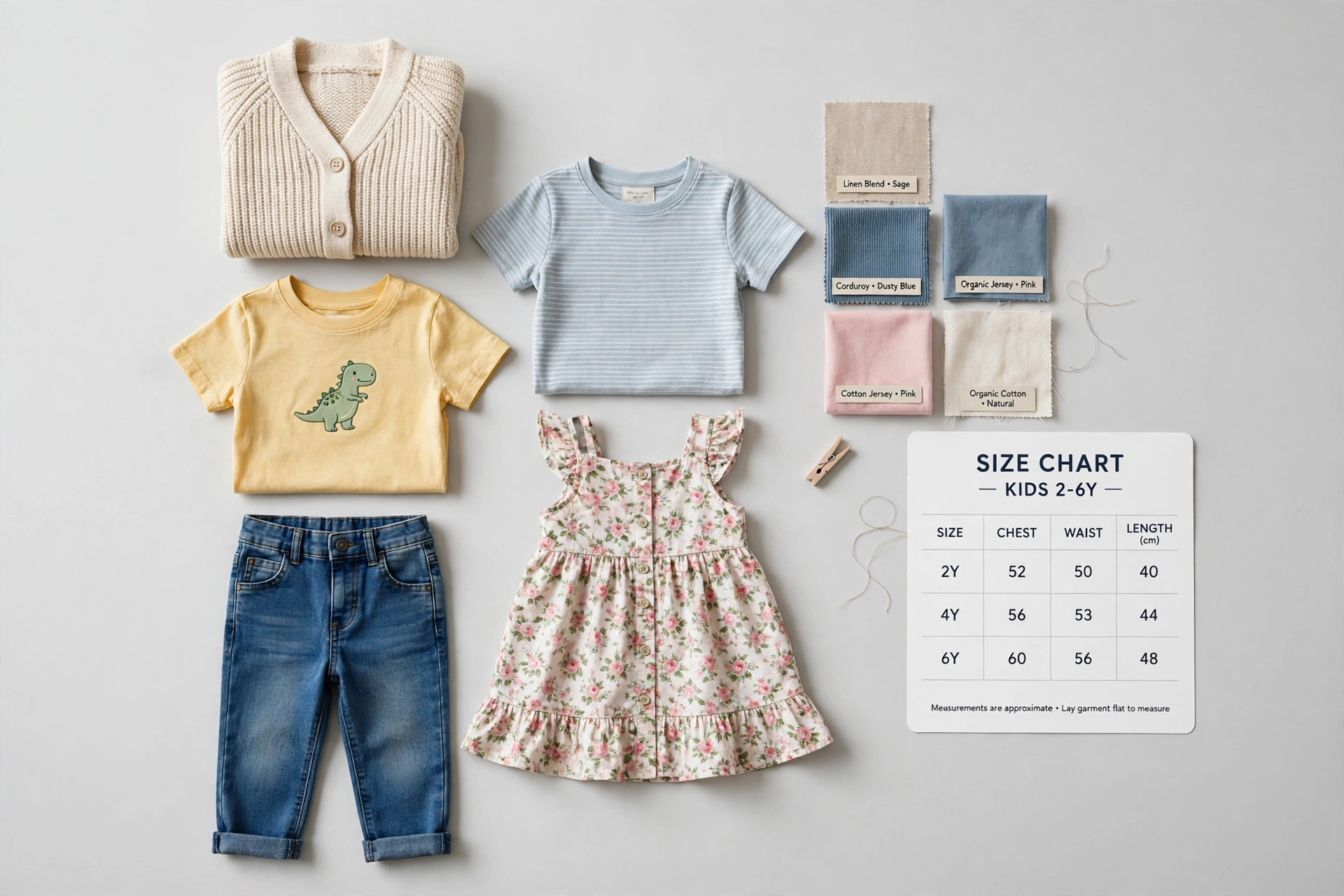
A childrenswear buyer plans ranges across fast-changing size bands — baby, toddler, young child and older child — knowing that customers grow out of every size on a fixed schedule. Demand peaks are equally predictable: back-to-school, holidays and the change of seasons drive the calendar, and parents weigh durability, washability and price per wear alongside appearance. The buyer balances all of that against strict product safety requirements for children's garments, from drawstring rules to flammability standards, which makes compliance part of the buying decision itself rather than an afterthought.
A Specialist Career Within Buying
Childrenswear buyers often build long careers inside the specialism, because its knowledge — size curves, safety standards, school and holiday trading patterns — transfers poorly from adult ranges and is hard won. It is also a route into the wider profession: the planning discipline children's ranges demand, with their unforgiving growth-driven sizing, is excellent training for any buying role. The description below covers the duties, skills and working pattern of the role in full.
Common Questions
What makes childrenswear buying different from other buying roles?
Three things: the wearer is not the customer, so the buyer sells to parents; sizing runs by age and growth stage, so every range turns over as children grow; and children's garments carry safety rules — on cords, small parts and flammability — that shape what can be bought at all. Together they make childrenswear a true specialism rather than adult buying in smaller sizes.
When do childrenswear buyers do most of their buying?
Like all fashion buyers they buy months ahead of the season, but the children's calendar is anchored by fixed events — back-to-school, the holiday season and the spring and autumn weather changes — so ranges are planned backwards from those dates, with schoolwear and seasonal outerwear ordered earliest.