Sleepwear Buyer Job Description
Buying pyjamas, nightdresses and robes — fabric comfort, seasonality and the gift trade
A sleepwear buyer — sometimes titled nightwear buyer — selects the pyjamas, nightdresses, robes and loungewear a retailer sells. It is a product-focused desk built on fabric judgement: garments worn for hours against the skin succeed on softness, breathability, warmth without weight, and how they survive repeated washing. Sleepwear is also a strongly seasonal and gift-driven category, with a large share of annual sales concentrated in the holiday period and in lighter ranges for summer. This page explains what the sleepwear buyer does, the knowledge the category demands, and the routes into the role — keeping the focus, as the desk itself does, on the garments and their trade.
More Buying Job Descriptions by Letter:
What a Sleepwear Buyer Does
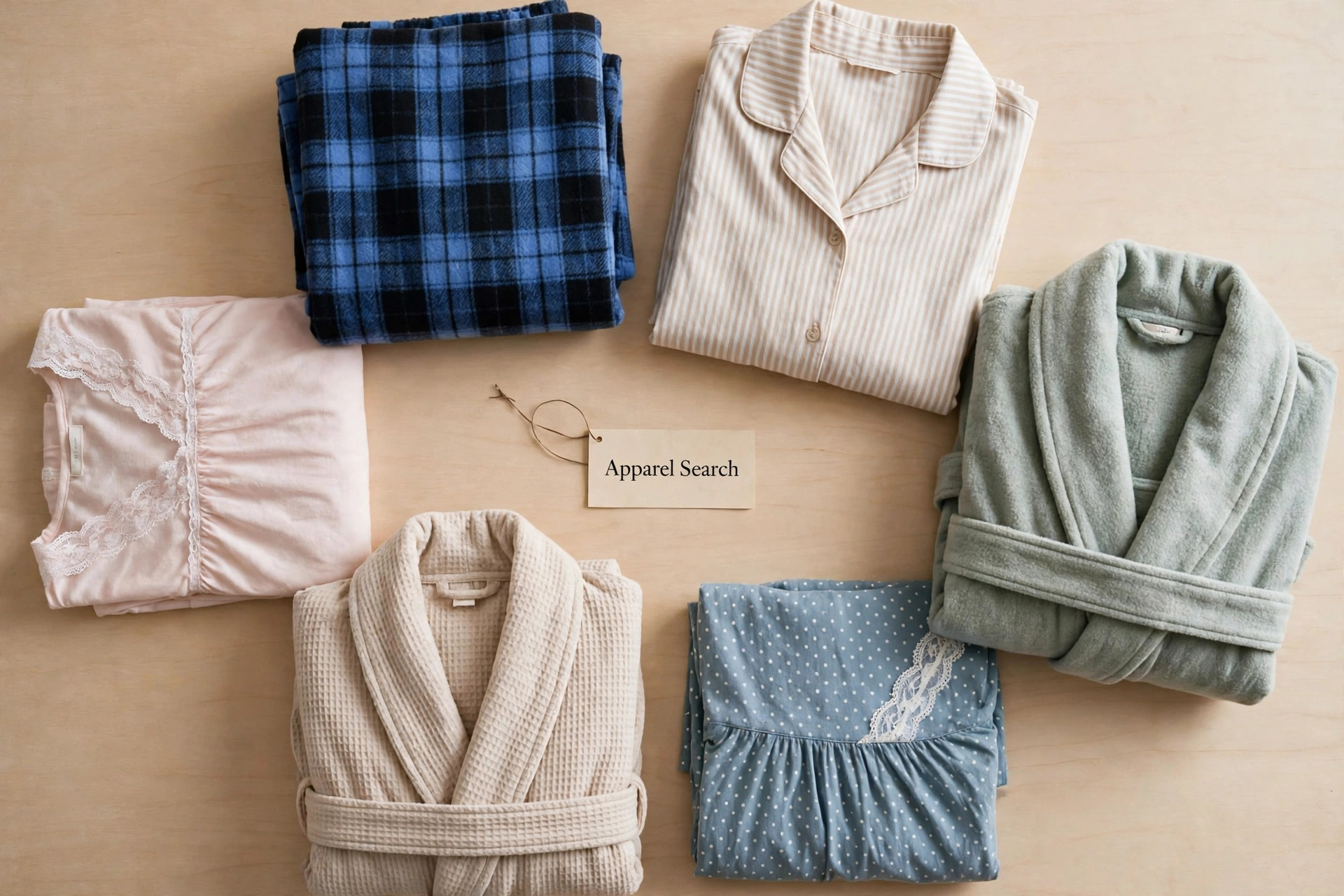
The sleepwear buyer builds the range in layers: core pyjama sets and nightdresses that sell all year, seasonal weights that change with the temperature, and presentational gift lines for the holiday peak. Vendor appointments are spent handling fabric, checking seam finishing and elastic quality, reviewing size ratios, and agreeing packaging for gift lines. Because the category is bought by both wearers and gift-givers, the range must read clearly at the fixture: fabric, warmth level and size should be easy to understand at a glance.
Trading the range is a calendar exercise. Winter weights and gift sets must land early enough to catch the long holiday build-up, while spring and summer ranges pivot to lighter cloths and shorter styles. The buyer watches sell-through by fabric and weight, repeats the proven core styles in fresh colours, and clears seasonal stock decisively after its peak — sleepwear bought for December has little value in January. Returns and wash-test evidence feed directly into the next season's fabric and construction choices.
Fabrics, Warmth and Laundering: The Product Knowledge
Fabric selection is the heart of sleepwear buying. Cotton jersey and woven cotton offer breathability and easy care; flannel and brushed fabrics add winter warmth; modal and viscose blends bring softness and drape; satin-look fabrics serve the gift and occasion end of the range. The buyer weighs each cloth for hand-feel, opacity, shrinkage and colourfastness, and specifies care performance carefully, because nightwear is washed frequently and a garment that twists, fades or roughens will not be bought twice.
Construction details carry unusual weight in this category. Seams should lie flat and soft, elastic should stay comfortable through a night and through many washes, buttons and drawcords must be secure, and children's sleepwear must meet applicable flammability and safety requirements, which the buyer verifies with suppliers as a condition of order. Robes add their own judgements — belt and pocket placement, length, and fabric weight — and the buyer plans robe, pyjama and slipper co-ordination so sets can be sold together.
Seasonality, Gifting and Range Planning
Few apparel categories are as seasonal. The sleepwear buyer plans two distinct climates of product — warm, enclosed styles for the cold months and light, short styles for summer — plus transitional weights for the weeks between. Open-to-buy is phased against that calendar, with the holiday gift peak treated as its own mini-season: presentation, price points for giving, and stock depth on the most giftable styles are all planned months ahead, because a gift range that arrives late cannot be recovered.
Gifting also shapes product decisions. Gift buyers choose quickly and rely on clear sizing, attractive folding and packaging, and fabrics that feel generous in the hand. The sleepwear buyer therefore ranges some styles specifically for giving — classic checks, soft solid colours, boxed sets — while keeping self-purchase lines focused on comfort and value. Balancing those two customers within one department, without confusing either, is the range-planning skill that defines an experienced hand on this desk.
Skills, Qualifications and Career Path
The sleepwear buyer needs strong fabric judgement, wash-performance awareness and seasonal planning discipline, on top of the standard buying toolkit of range planning, margin management, size-ratio forecasting and vendor negotiation. Employers typically recruit from assistant buyer roles in womenswear, intimate apparel or nightwear itself, and value candidates who can discuss fibre blends, fabric weights and safety compliance as confidently as price and margin.
Career progression runs to senior buyer on larger intimate-apparel or womenswear areas, buying management, and own-label product development, where sleepwear ranges are designed in-house. The category's fabric expertise also transfers well to adjacent desks such as loungewear and underwear buying. Because sleepwear is a steady replacement category with a reliable gift peak, it offers buyers a clear, measurable trading record on which to build a broader career.
Common Questions
Is sleepwear buying the same as lingerie buying?
No. Sleepwear covers pyjamas, nightdresses, robes and loungewear bought for comfort; lingerie is a separate desk covering bras, briefs and foundation garments with its own fitting specialism. Some retailers combine the departments under one buyer, but the product knowledge is distinct.
Why is fabric knowledge so important for a sleepwear buyer?
Nightwear is worn for long periods and washed frequently, so softness, breathability, warmth and wash performance decide whether customers return to the range. The buyer's fabric choices are the product, more directly than in most apparel categories.
When is the biggest selling period for sleepwear?
The holiday gift season is the peak, with warm winter weights selling from autumn onward. Light summer styles form a second season, and core pyjama lines sell steadily between the two.