Apparel Search · Trade Shows
Exhibiting at an Apparel Trade Show
For most clothing brands, wholesale orders are won or lost in a few days on a show floor. This guide covers the exhibitor's side of the table: choosing the show, building the booth, preparing line sheets, booking appointments and following up until orders are written.
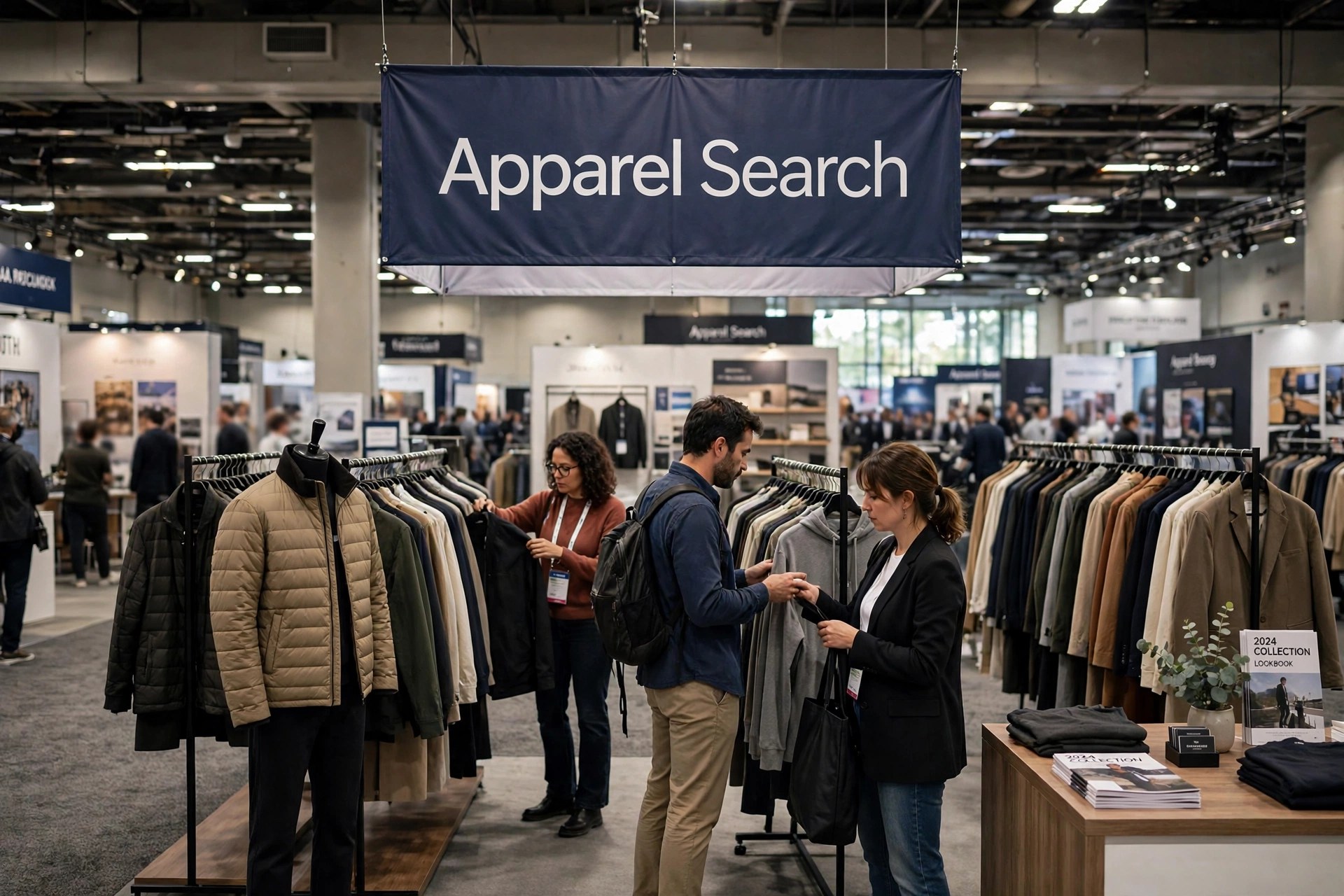
Attending a trade show as a buyer is easy: register, walk the floor, look at lines. Exhibiting is the opposite experience. The brand pays for the space, ships the samples, staffs the booth for days and gets a limited number of short meetings in which to convince store buyers that this line deserves some of their open-to-buy budget. Done well, a single show can open dozens of retail accounts and validate a whole season. Done badly, it is an expensive few days of watching buyers walk past.
Apparel Search lists the shows themselves in its trade show directory, organized by category so brands can find the events their buyers actually attend. This page is about what to do once you have picked one: the preparation and floor craft that separate exhibitors who write orders from exhibitors who collect compliments.
Exhibiting, Defined
Exhibiting means renting booth space at a trade show to present a collection to wholesale buyers — retailers, distributors and other trade visitors — rather than to the public. The exhibitor's product is not the garment on the rail; it is the order the buyer writes for delivery in a future season.
Choose the Right Show, Then Book Early
The best show for a line is the one its target stores attend, which is not always the largest or most famous event. A regional show full of independent boutiques can outsell a national show for a small brand, and category matters: a swim line belongs at a swim show, not a general apparel market. Browse the trade shows by category listings and ask your existing accounts where they shop before committing. Booth location and early-bird pricing both reward booking as soon as registration opens, and the good floor positions go first.
Design a Booth That Sells the Line
A booth has seconds to explain the brand to a walking buyer. The collection should be visible from the aisle, edited to its strongest styles, and grouped the way a store would merchandise it. Signage must say what the line is and who it is for — a beautiful booth that buyers cannot categorize will be admired and skipped. Lighting, a clear price or category signal, and room for a buyer to sit down and work are worth more than decorative extras. Apparel Search's guide to trade show booth design covers layout, graphics and fixtures in depth.
Line Sheets and Sales Materials
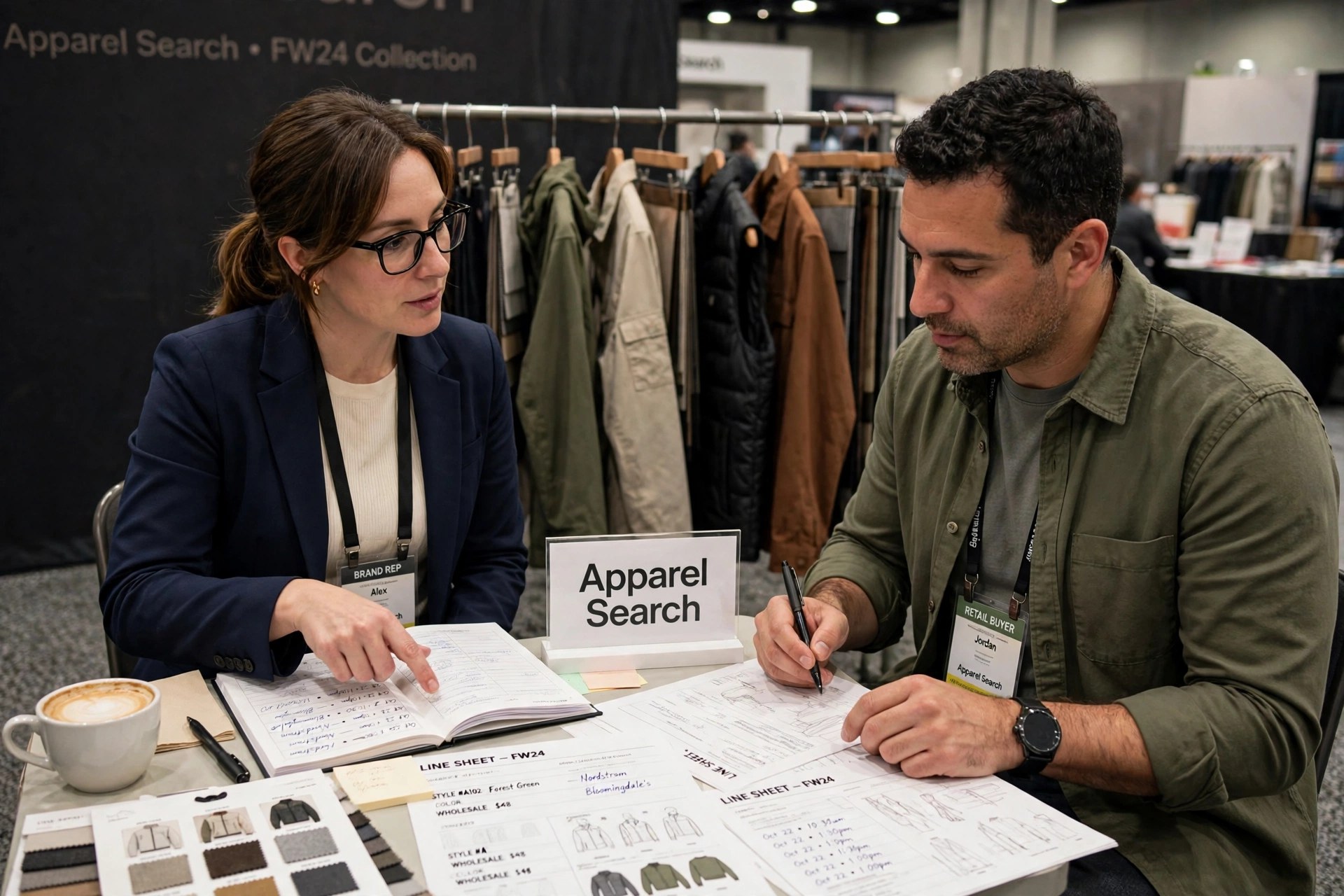
Every meeting runs on the line sheet: style numbers, wholesale prices, colors, sizes, minimums and delivery dates, with a sketch or photo of each style. Prices on it must be final — a buyer who discovers later that the numbers changed will not reorder. Bring enough printed copies for walk-ins, a lookbook or catalog for the brand story, order forms, and business cards. The Apparel Product Development Guide explains how line sheets are built as part of the development process, and the Garment Costing Guide covers the margin math that should happen long before any price reaches a line sheet.
Appointments Are the Real Work
- Invite your accounts first. Contact existing and past buyers several weeks out, with the booth number and a reason to come: new categories, proven reorder styles, a show special.
- Prospect deliberately. Work from a target list of stores that fit the line, and invite their buyers by name. Vague floor traffic is a bonus, not a plan.
- Run the meeting tightly. Lead with the strongest styles, watch what the buyer touches, take notes on every reaction, and confirm quantities and delivery before the buyer stands up.
- Leave room for walk-ins. An appointment book with no gaps misses the buyer who discovered the line from the aisle — often the start of the best new account.
Follow-Up Turns Interest Into Orders
Shows end; orders are finished afterward. Within days, every buyer who stopped should get a thank-you, the line sheet, and a clear next step, while the meeting is still fresh. Notes taken in the booth — sizes debated, colors questioned, delivery worries — become the content of those follow-ups and of the next season's line plan. Exhibitors who treat follow-up as part of the show, rather than an afterthought, are the ones whose trial orders turn into standing accounts.
Related Guides on Apparel Search
Common Questions
What does it cost to exhibit at an apparel trade show?
Costs vary widely by show, city and booth size. Exhibitors pay for booth space and any furnishings or services the show requires, plus travel, shipping for samples, printed materials and their own time. Small regional shows can be modest; large national shows are a serious marketing investment, which is why choosing the right show matters more than choosing the biggest one.
When should a new brand start exhibiting?
When the line is production-ready: samples are final, prices are calculated, delivery dates are realistic and the brand can actually fill the orders a good show might bring. Buyers remember brands that could not deliver, so most new labels exhibit only after at least one season of selling through smaller channels has proven the line and the production behind it.
What is a line sheet?
A line sheet is the exhibitor's selling document: a page or booklet listing every style in the collection with a sketch or photo, style number, wholesale price, available colors and sizes, minimum order quantities and delivery dates. Buyers use it during the appointment to plan and write orders, and keep it afterward as the reference for what they bought.
How far ahead should exhibitors book buyer appointments?
Outreach usually begins several weeks before the show, as soon as the exhibitor list and buyer registration open. Established accounts get contacted first, then target stores that match the line. A full appointment book is the goal, but exhibitors should leave gaps in the schedule: some of a show's best orders come from buyers who walk in unannounced.
Exhibiting Is One Step of Launching a Line
A trade show works when everything behind the booth is ready — the collection, the costing, the production plan. The Starting a Clothing Line guide walks through the whole path from first idea to first order.